EPA 608 Certification: Understanding the Rules Behind Refrigerants
What Is EPA 608?
If you’re just getting into HVAC, you’ve probably heard people talk about the EPA 608 certification like it’s the biggest hurdle in the industry. While it’s certainly an important certification, it’s also one of the most misunderstood.
The EPA 608 certification is not a course on how to repair air conditioners or troubleshoot heating systems. Instead, it is a federal certification required by law for technicians who work with regulated refrigerants.
Its purpose is to teach technicians how to handle refrigerants safely, legally, and responsibly while protecting the environment.
Think of it this way:
EPA 608 teaches you the rules. HVAC teaches you the trade.
Why Does the EPA Care About Refrigerants?
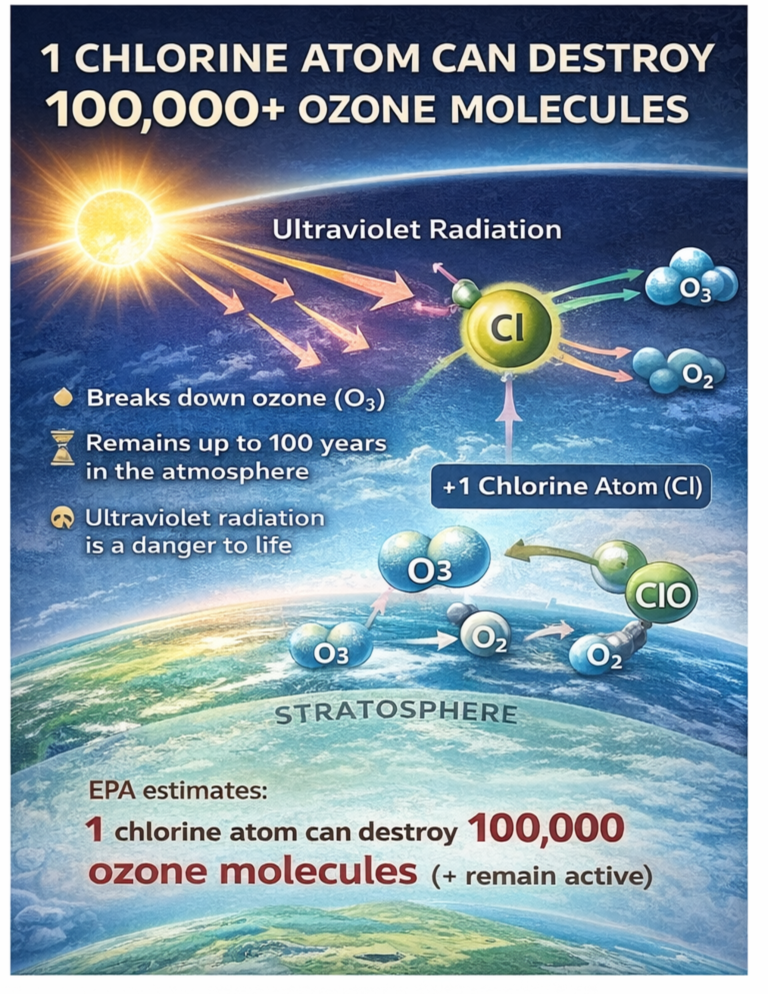
For many years, certain refrigerants were found to damage the Earth’s ozone layer or contribute significantly to global warming when released into the atmosphere.
Because of these environmental concerns, laws were created requiring technicians to:
- Recover refrigerant instead of venting it.
- Properly recycle or reclaim refrigerant.
- Repair leaks when required.
- Use approved recovery equipment.
- Follow federal handling procedures.
These regulations exist to reduce environmental impact, not because they make equipment operate better.
What EPA 608 Actually Covers
The certification focuses on topics such as:
- Refrigerant identification
- Ozone depletion potential (ODP)
- Global warming potential (GWP)
- Refrigerant recovery procedures
- Recovery equipment
- Leak repair regulations
- Refrigerant cylinders
- Safety requirements
- Federal regulations
- Technician responsibilities
These subjects explain why certain procedures exist and how to comply with the law.
What EPA 608 Does NOT Teach
Passing the EPA exam does not automatically prepare someone to diagnose or repair HVAC equipment.
It doesn’t teach you how to:
- Diagnose electrical failures
- Read wiring diagrams
- Test motors
- Replace capacitors
- Troubleshoot compressors
- Measure superheat or subcooling in real-world situations
- Diagnose airflow problems
- Balance duct systems
- Repair control circuits
Those skills come from studying HVAC systems, gaining hands-on experience, and understanding how mechanical and electrical components work together.
Where Refrigerant Knowledge Fits Into HVAC
Refrigerant knowledge is most important during work such as:
- Installing new equipment
- Replacing systems
- Replacing compressors
- Recovering refrigerant
- Evacuating systems
- Charging refrigerant
- Leak repairs
- Major refrigeration service
These tasks require technicians to legally handle refrigerants and understand proper charging and recovery procedures.
Where Most HVAC Technicians Spend Their Time
For many residential and commercial service technicians, a large portion of day-to-day work involves maintenance and troubleshooting rather than opening the refrigerant circuit.
Typical service calls include:
- Dirty condenser coils
- Dirty evaporator coils
- Failed capacitors
- Bad contactors
- Faulty relays
- Broken thermostat wiring
- Blown fuses
- Tripped breakers
- Airflow restrictions
- Clogged filters
- Failed blower motors
- Control board issues
- Sensor failures
Many of these problems can be diagnosed and repaired without adding or removing refrigerant.
That doesn’t make refrigerant knowledge unimportant, it simply highlights that successful HVAC technicians rely on a broad set of troubleshooting skills.
The Four Foundations of HVAC
At Eagleye Forum, we break HVAC into four core areas because together they represent the knowledge a technician needs.
Refrigerants
Understanding the laws, environmental impact, charging procedures, recovery, evacuation, and system pressures.
Mechanical
Knowing how compressors, coils, fans, valves, and airflow systems physically move heat.
Electrical
Understanding circuits, motors, transformers, contactors, capacitors, relays, and safe electrical troubleshooting.
Controls
Learning how thermostats, pressure switches, sensors, timers, and control boards tell the equipment what to do.
Each area builds on the others. A technician who only understands refrigerants will struggle to diagnose many common failures. Likewise, someone who only understands electrical troubleshooting still needs refrigerant knowledge to legally service sealed systems.
Why This Matters
Many people entering the trade believe passing the EPA 608 exam means they’re ready to work in HVAC.
In reality, it’s just one piece of the puzzle.
The certification proves you understand the legal and environmental responsibilities associated with refrigerants. The trade itself is built through learning how systems operate, developing diagnostic skills, and gaining hands-on experience with mechanical, electrical, and control components.
If you want to become a skilled HVAC technician, don’t stop after earning your EPA card. Continue studying the principles behind the equipment, practice troubleshooting, and build confidence in every area of the trade.
Final Thoughts
Certification is an essential requirement for anyone who handles regulated refrigerants, but it is best viewed as a license to work with refrigerants, not a measure of overall HVAC expertise. The technicians who excel in the field combine that legal and environmental knowledge with strong mechanical, electrical, and controls skills to diagnose problems accurately and keep systems operating safely and efficiently.
Ready for the test? Here are 2 links I used to get my certifications
Still need to study? Checkout our other articles on HVAC fundamentals.
Want to take the free practice test to see where you stand?
Or if looking to go further join our quiz hub premium membership and enjoy a variety of quizzes, cancel anytime.
- $9.99 monthly
- $79.99 annually (Best Value)