HVAC Refrigeration Fundamentals: EPA Rules, Refrigerants, Superheat & Subcooling
Test Your knowledge:
Before you jump into the article, take a quick free test and see where you stand.
Want more of a challenge? Step into our full quizzes—untimed for learning, or timed to experience the pressure of real certification exams.


Step Into the Real Challenge
The free test gives you a taste—these are where it counts.
Each paid quiz pushes your HVAC knowledge further with timed challenges, deeper questions, and real performance breakdowns. You’ll get full explanations on every answer so you can actually improve—not just guess your way through.
HVAC Refrigeration Fundamentals
Understanding HVAC refrigeration fundamentals is one of the first major steps in learning how cooling systems actually work. Many beginners try to memorize terms for a test, but the real key is understanding how refrigerants behave, why EPA rules matter, and how major system components work together.
Whether you are studying for an HVAC quiz, building your trade knowledge, or brushing up on EPA 608 basics, this guide will walk through the core concepts in a simple and practical way. By the end, you should have a better grasp of refrigerant handling, pressure relationships, vacuum measurement, superheat, subcooling, and the role of the compressor in a refrigeration system.
Why HVAC Refrigeration Fundamentals Matter
A refrigeration system is not just a collection of parts. It is a controlled cycle that depends on pressure, temperature, and refrigerant movement. If you do not understand those basics, it becomes much harder to troubleshoot problems, pass certification tests, or safely service equipment.
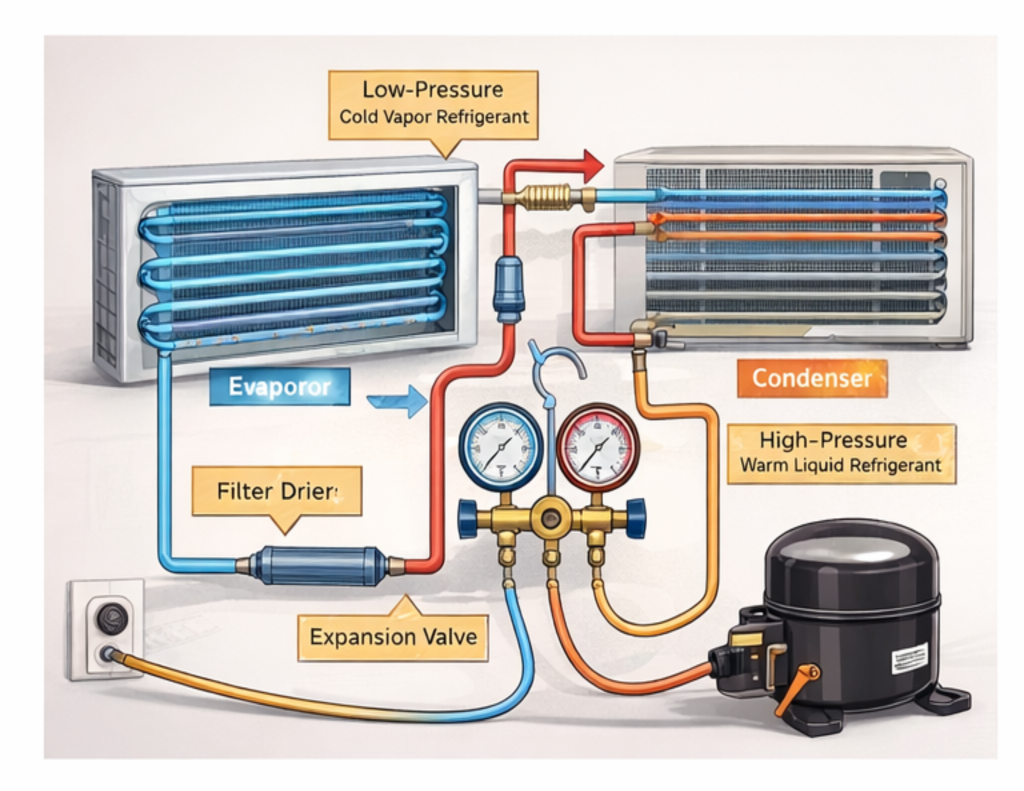
A solid understanding of HVAC refrigeration fundamentals helps you:
- Learn the purpose of EPA refrigerant regulations
- Recognize common refrigerant types
- Understand what pressure does to boiling point
- Know why evacuation and dehydration matter
- Understand the difference between superheat and subcooling
- Build a foundation for future HVAC diagnostics
This page is designed to give you the basics needed for both a short practice quiz and a more detailed paid test.
EPA 608 and Refrigerant Handling Basics
What is the purpose of EPA 608 certification?
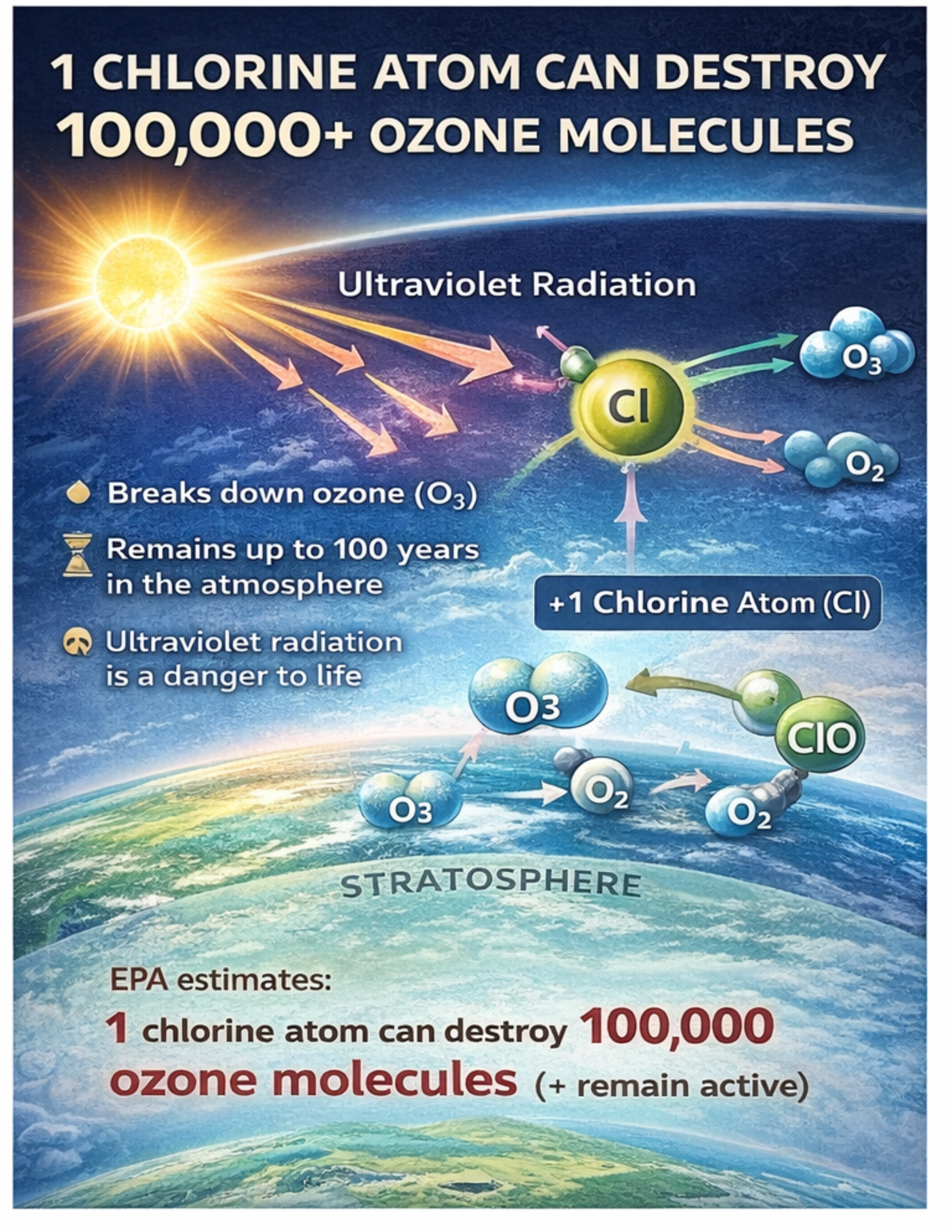
The main purpose of EPA Section 608 certification is to regulate refrigerant handling. It exists to reduce environmental damage caused by the improper release of refrigerants into the atmosphere.
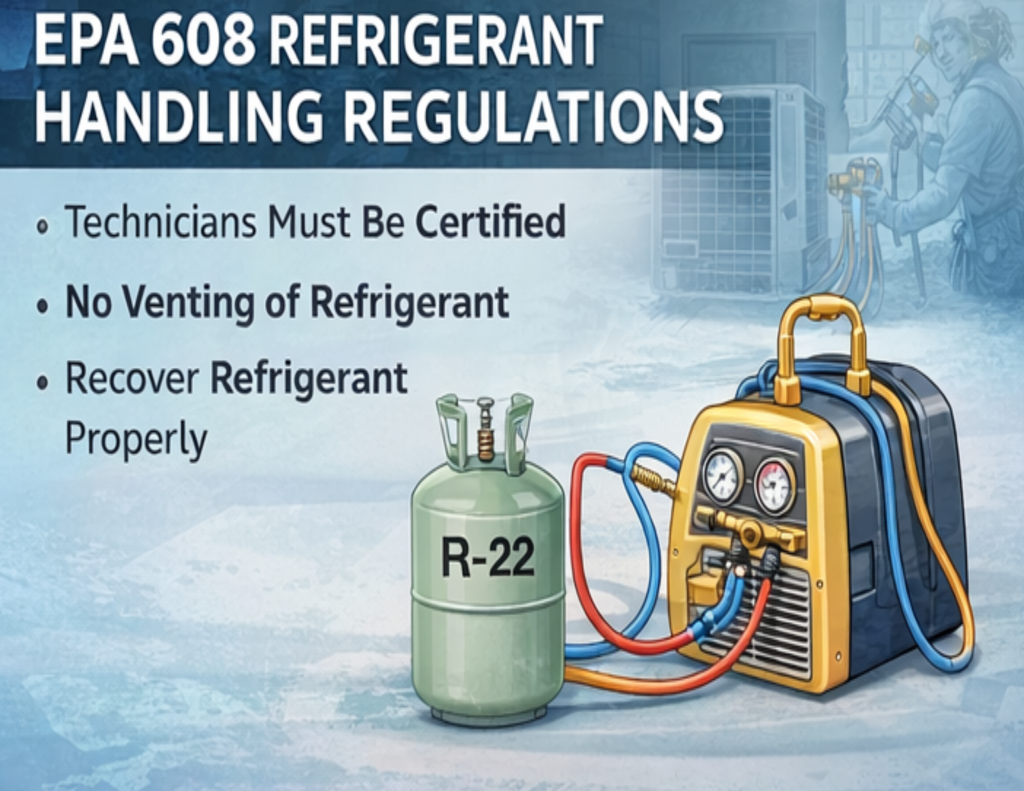
This is important because certain refrigerants can damage the ozone layer or contribute to environmental harm when released carelessly. EPA certification is not just about proving technical skill. It is about showing that a technician understands the legal and environmental responsibilities that come with handling refrigerants.
What law prohibits venting refrigerant?
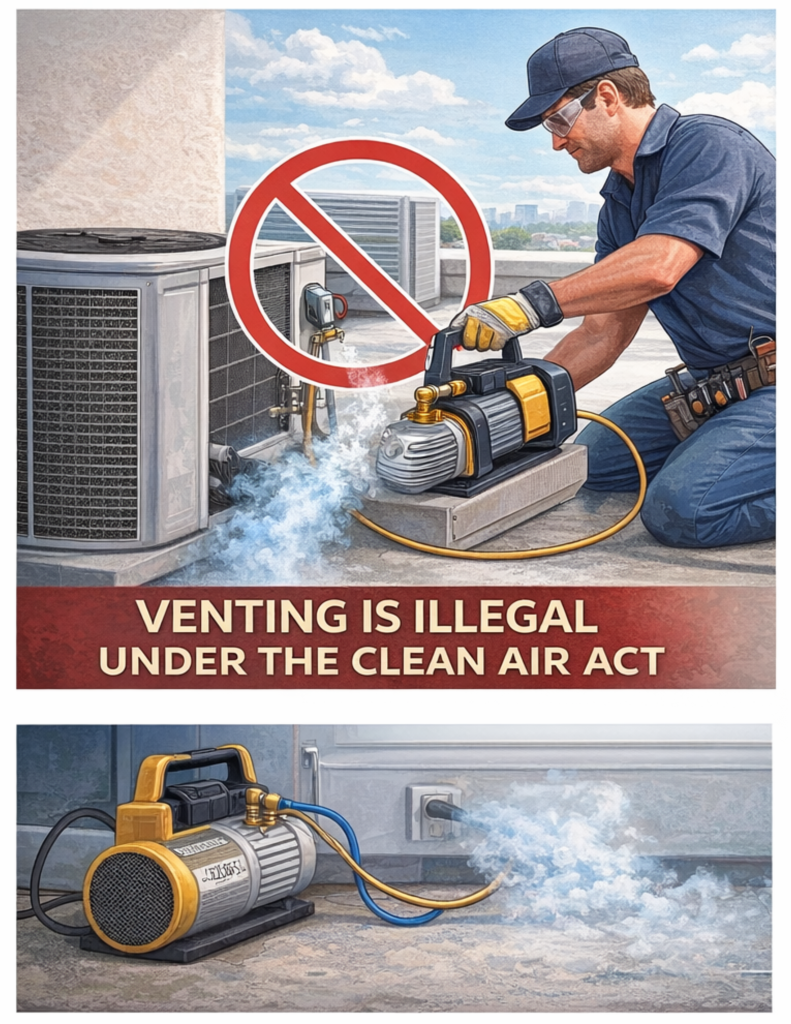
The Clean Air Act makes it illegal to knowingly vent refrigerant into the atmosphere. That means refrigerant cannot simply be released because a technician wants to open a system or speed up a repair.
If refrigerant must be removed, it must be recovered properly using approved equipment.
What must be done before opening a refrigeration system?
Before opening a refrigeration system for service, the refrigerant must be recovered. This protects the environment, keeps the technician in compliance with EPA rules, and prevents illegal venting.
What is the purpose of a recovery machine?
A recovery machine is used to remove refrigerant from a system safely and store it in an approved recovery cylinder. It is one of the essential tools for EPA-compliant service work.
What is considered a major repair?
A compressor replacement is commonly considered a major repair under EPA-related quiz material. This makes sense because replacing a compressor often requires opening the refrigerant circuit and handling refrigerant properly from start to finish.
At what pressure should a leak test be performed after repair?
A system is commonly checked for leaks at above operating pressure. The reason is simple: higher pressure helps reveal leaks more clearly than low pressure does.
Refrigerant Science Basics
What is an HCFC refrigerant?
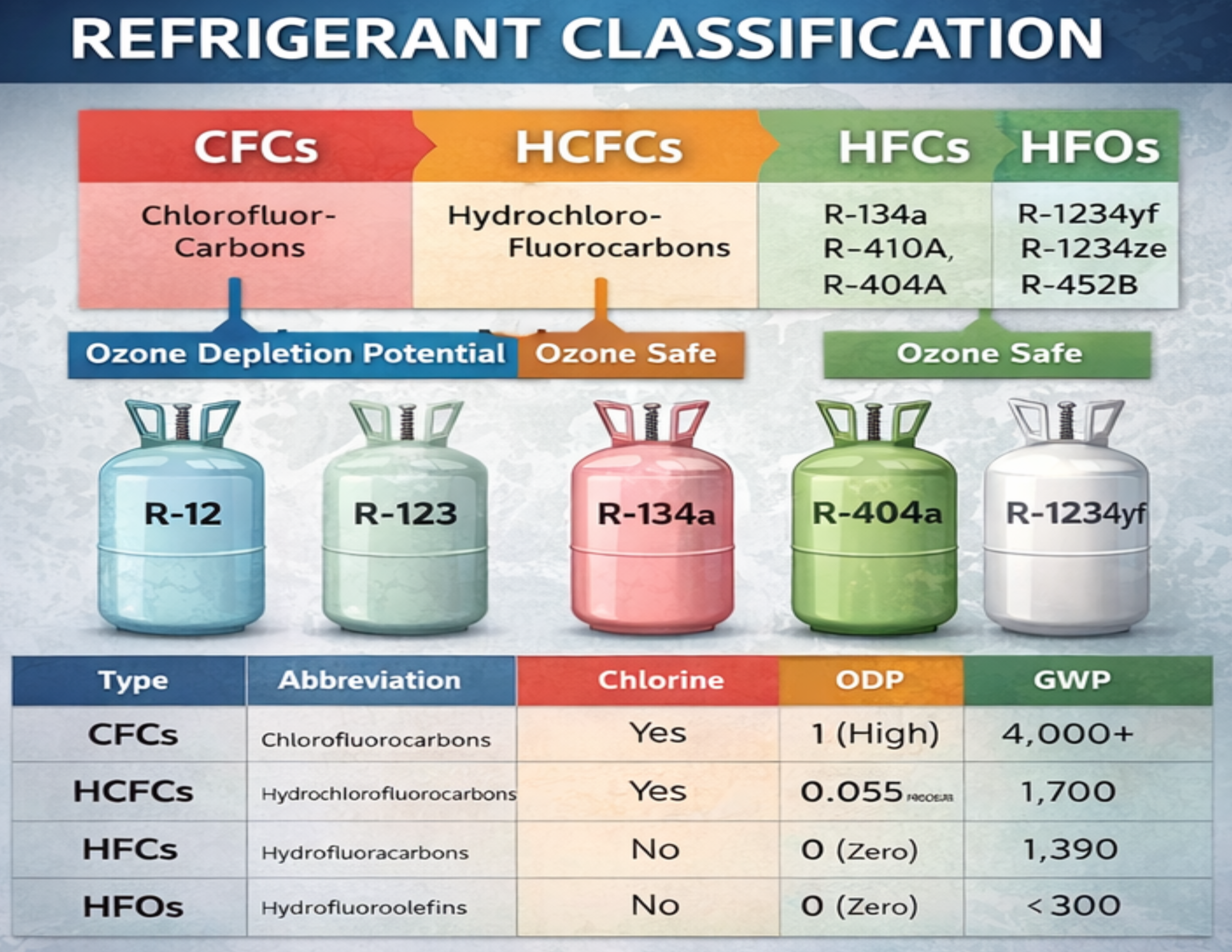
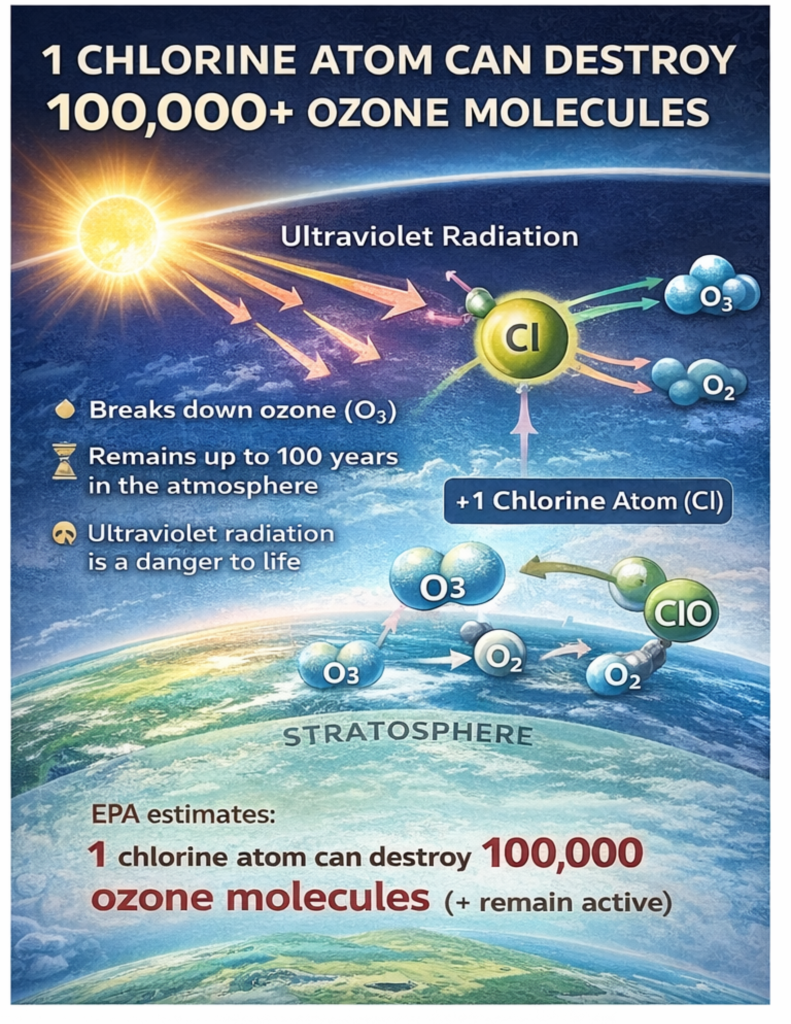
An HCFC is a hydrochlorofluorocarbon refrigerant. A common example is R-22. This refrigerant was widely used for years but became heavily regulated because of its effect on the ozone layer.
What does ODP mean?
ODP stands for Ozone Depletion Potential. This refers to how likely a refrigerant is to damage the ozone layer. Refrigerants containing chlorine are often associated with ozone depletion concerns.
Which refrigerant has zero ODP?
R-410A is commonly identified as a refrigerant with zero ODP because it does not contain chlorine. That does not mean it has no environmental concerns at all, but it does mean it does not contribute to ozone depletion in the same way older refrigerants did.
Which refrigerant is considered high pressure?
R-410A is considered a high-pressure refrigerant. This is important because technicians must understand the equipment, gauges, and procedures appropriate for higher-pressure systems.
What color is associated with R-22 cylinders?
Historically, R-22 cylinders were light green. This often shows up on tests. In real-world practice, cylinder color should not be your only identification method, but for study purposes it is still worth remembering.
Pressure and Boiling Point in Refrigeration
One of the most important ideas in HVAC refrigeration fundamentals is that pressure affects boiling point.
A refrigerant changes state based on pressure conditions. When pressure changes, the temperature at which the refrigerant boils also changes. This is the principle that allows a refrigeration system to absorb heat indoors and reject heat elsewhere.
In simple terms:
- Higher pressure raises the boiling point
- Lower pressure lowers the boiling point
This is why technicians pay close attention to pressure readings when diagnosing system performance. If you understand this concept, many other refrigeration ideas start to make more sense.
Evacuation and Vacuum Basics
What is a micron?
A micron is used to measure vacuum level. In HVAC work, microns help determine how deep a vacuum has been pulled during evacuation.
This matters because evacuation is not just about removing air. It is also about removing moisture and non-condensables from the system.
What is the target evacuation level?
A common target for a properly evacuated system is 500 microns. Reaching this level helps show that the system has been dried out and is ready for charging and service.
Moisture left inside a refrigeration system can cause major issues, including acid formation, corrosion, and poor system performance. That is why proper evacuation is so important.
What Component Removes Moisture?
The filter drier is the component used to help remove moisture and contaminants from the system. This small part plays a big role in system protection.
A filter drier helps protect sensitive components and supports long-term system reliability. If moisture stays in the system, it can damage refrigerant oil, create acids, and contribute to failures.
Superheat and Subcooling Explained
What is superheat?
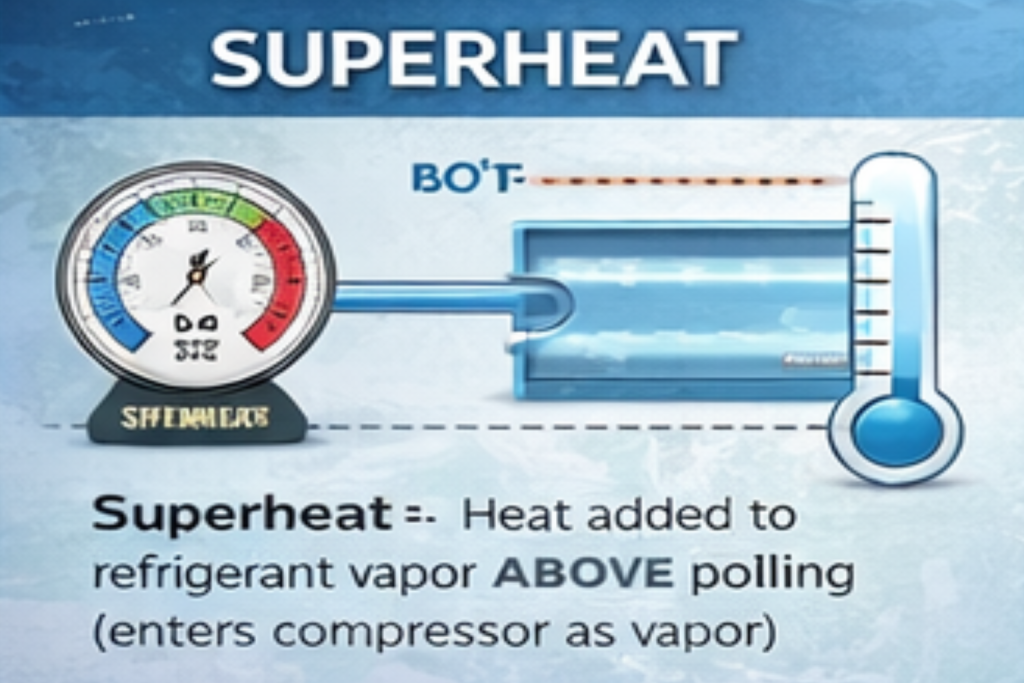
Superheat is the amount of heat added to a vapor after it has already reached its boiling point. In simple terms, it means the refrigerant vapor has been heated beyond the point where it changed from liquid to vapor.
This matters because the compressor is designed to handle vapor, not liquid. Proper superheat helps ensure that vapor enters the compressor, reducing the chance of damage.
What is subcooling?
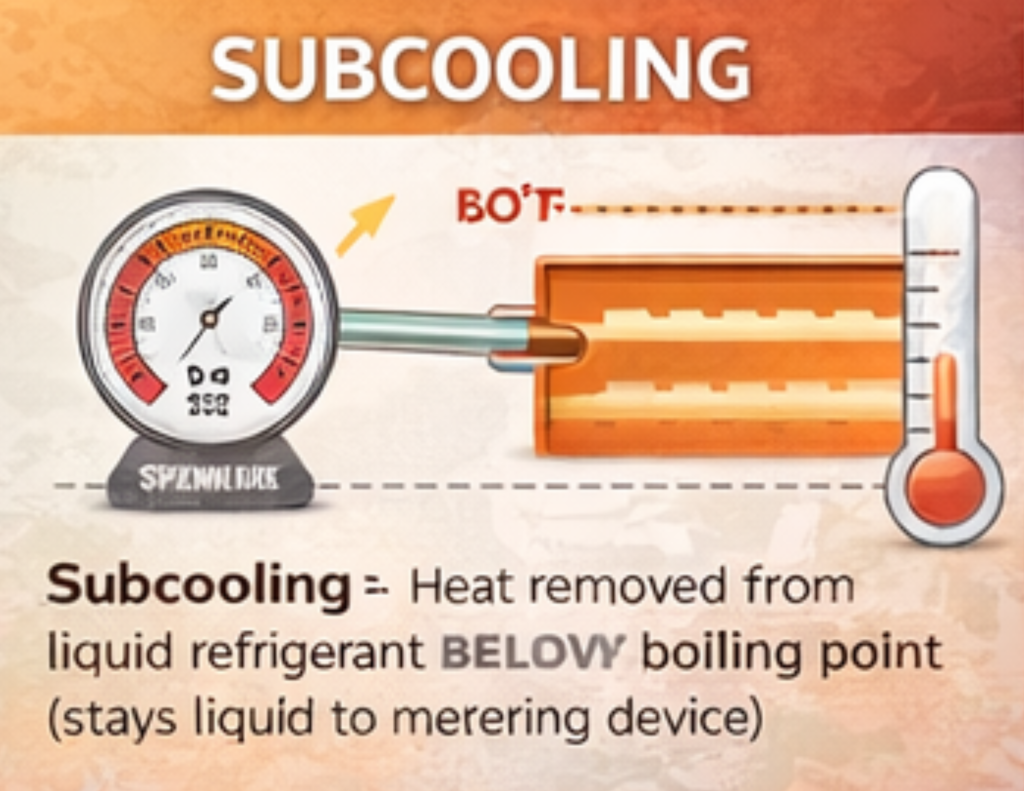
Subcooling is the cooling of a liquid refrigerant below its boiling point. This means the refrigerant has already condensed into a liquid and has then been cooled even further.
This matters because proper subcooling helps ensure that solid liquid refrigerant reaches the metering device, which supports efficient system operation.
Why do superheat and subcooling matter?
Superheat and subcooling are two of the most important concepts in refrigeration system analysis. They help a technician understand whether the evaporator and condenser are doing their jobs correctly and whether refrigerant is in the proper state at key points in the system.
For beginners, remember it this way:
- Superheat = vapor above boiling point
- Subcooling = liquid below boiling point
What Does the Compressor Do?
The compressor moves refrigerant through the system and increases refrigerant pressure. It is often described as the heart of the refrigeration cycle because it drives refrigerant circulation.
It does not clean coils, filter air, or remove moisture. Its job is to move and compress refrigerant so the heat transfer cycle can continue.
Without the compressor, the system cannot maintain the pressure difference needed for refrigeration.
Small Appliance Certification
If you are studying EPA certification types, remember this:
- Type I certification covers small appliances
This is a common test question and a good basic fact to keep handy.
Quick Review of HVAC Refrigeration Fundamentals
Here is a simple recap of the most important points:
- EPA 608 exists to regulate refrigerant handling
- The Clean Air Act prohibits knowingly venting refrigerant
- Refrigerant must be recovered before opening a system
- A recovery machine removes refrigerant from the system
- R-22 is an HCFC refrigerant
- ODP means Ozone Depletion Potential
- R-410A has zero ODP and is a high-pressure refrigerant
- Pressure affects boiling point
- 500 microns is a common evacuation target
- A micron measures vacuum level
- A filter drier helps remove moisture
- Superheat is vapor heated above boiling point
- Subcooling is liquid cooled below boiling point
- The compressor moves refrigerant and increases pressure
HVAC Quiz Preparation: What to Focus On
If you are preparing for an HVAC practice quiz or a refrigeration fundamentals test, focus first on understanding the relationships between the terms rather than memorizing isolated facts.
Ask yourself:
- Why must refrigerant be recovered?
- Why does pressure change boiling point?
- Why is 500 microns important?
- Why does the compressor need vapor instead of liquid?
- Why do superheat and subcooling matter in real systems?
When these ideas connect in your head, the quiz becomes much easier.
Final Thoughts
Learning HVAC refrigeration fundamentals gives you a base that supports almost every other refrigeration topic you will study later. EPA regulations, refrigerant types, pressure relationships, evacuation, moisture removal, and compressor function are not random facts. They are pieces of the same system.
Once you understand the basics, you are in a much better position to move into troubleshooting, diagnostics, charging methods, and more advanced HVAC concepts.
If you want to test yourself after reading, a short free quiz can help check your understanding, while a longer paid quiz can push you deeper into real retention and application.
FAQ Section
What is the purpose of EPA 608 certification?
EPA 608 certification exists to regulate refrigerant handling and reduce environmental harm from improper refrigerant release.
What does ODP stand for in HVAC?
ODP stands for Ozone Depletion Potential.
Which refrigerant is an HCFC?
R-22 is a common HCFC refrigerant.
What is a micron in HVAC?
A micron is a measurement of vacuum level used during system evacuation.
What is superheat?
Superheat is heat added to a refrigerant vapor above its boiling point.
What is subcooling?
Subcooling is liquid refrigerant cooled below its boiling point.
What does a compressor do in HVAC?
A compressor moves refrigerant through the system and raises its pressure.
Want to take the free practice test to see where you stand?
Or if looking to go further join our quiz hub premium membership and enjoy a variety of quizzes, cancel anytime.
- $9.99 monthly
- $79.99 annually (Best Value)