
Operations Hub
The Systems That Keep the World Running
Much of the world around us operates through systems we rarely see or stop to consider. Every breath we take, every drop of clean water we drink, every ecosystem that supports life, and every engineered process that powers modern civilization depends on countless biological, chemical, physical, and environmental interactions working quietly behind the scenes.
This section explores those hidden systems.
From the microscopic world of bacteria and cells to the chemistry of materials, the physics of energy, and the engineering behind water treatment, infrastructure, and technology, these articles reveal how the natural and human-built worlds function—and how they often depend on one another.
Science is more than a collection of facts or formulas. It is a way of thinking that encourages observation, curiosity, experimentation, and critical analysis. Every advancement in medicine, engineering, agriculture, energy, and technology begins with asking questions and seeking a deeper understanding of the principles that govern our world.
Whether you’re interested in skilled trades, operations, microbiology, chemistry, physics, environmental science, or the scientific foundations behind modern infrastructure, this hub is designed to help you look beyond the surface and discover the remarkable processes shaping everyday life.
The world is built on systems. Some are created by nature, others by humanity, but all can be understood. The more we understand how those systems work, the better prepared we are to solve problems, innovate, and build a better future.
HVAC/R
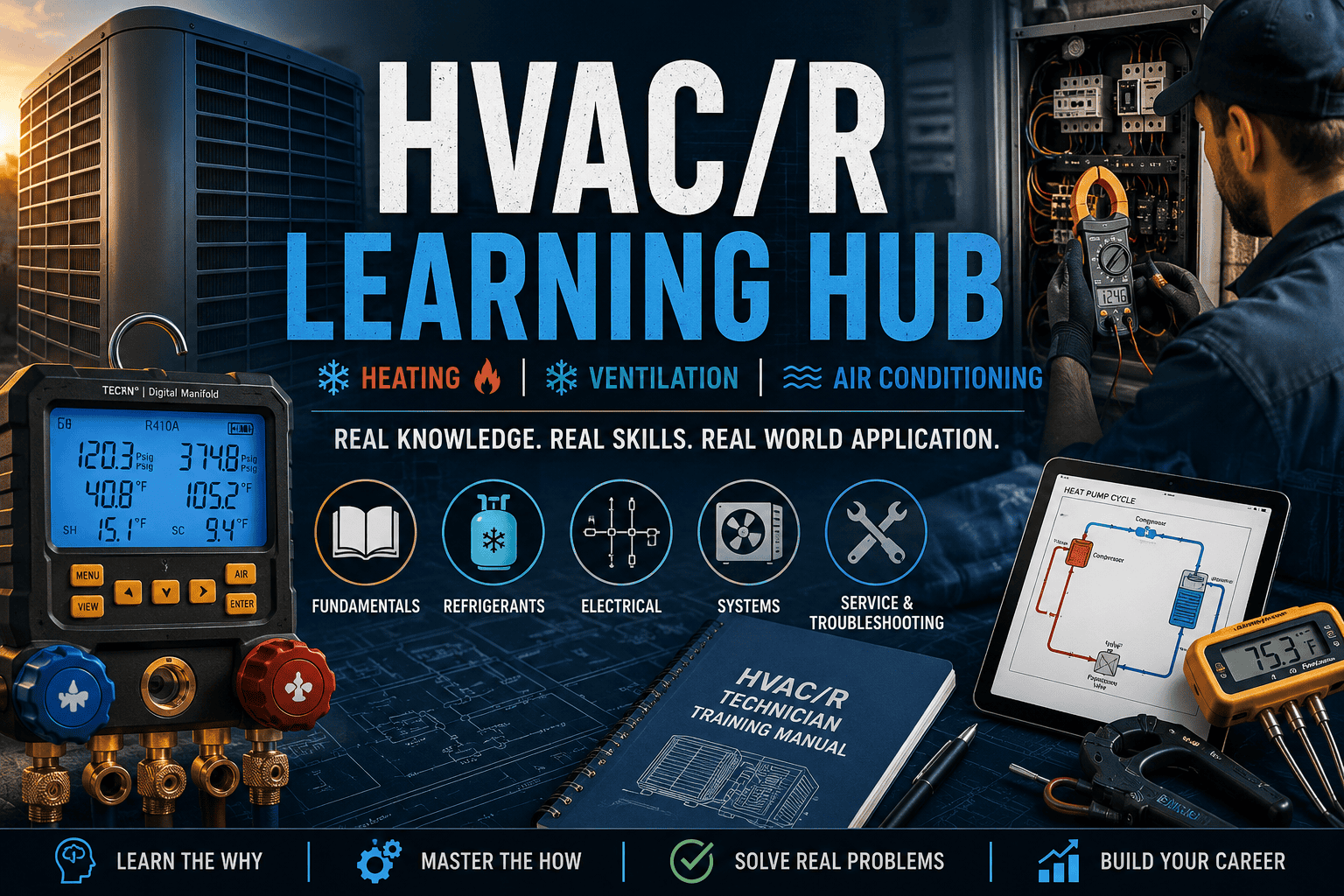
Heating, ventilation, air conditioning, and refrigeration systems are the backbone of comfort and climate control in nearly every building — and keeping them running takes real technical know-how. This hub walks through the fundamentals of HVAC/R, from EPA 608 refrigerant handling to mechanical and electrical components, controls, and the career paths and certifications that turn hands-on skill into a licensed trade.
- What is HVAC?
- Understanding EPA 608
- HVAC Maintenance Technician
- Refrigerants
- Mechanical Sstems
- Electrical Systems
- Controls
- Practice tests
- HVAC Career Paths
- Tools and Equipment
- Important Certifications and where to get them
⚡ Energy and Utility Hub
Every system in a facility depends on a reliable source of power — understanding where that energy comes from is the first step to managing it well. This hub covers the full range of energy sources and generation methods, from fuel and solar to wind, nuclear, hydroelectric, and battery or fuel storage, giving you the foundation to understand how utilities keep operations running.
- ⛽ Fuel Sources
- ⚡ Origins of Electricity and Keyplayers
- 🌞 Solar Energy
🔌 Electrical Systems
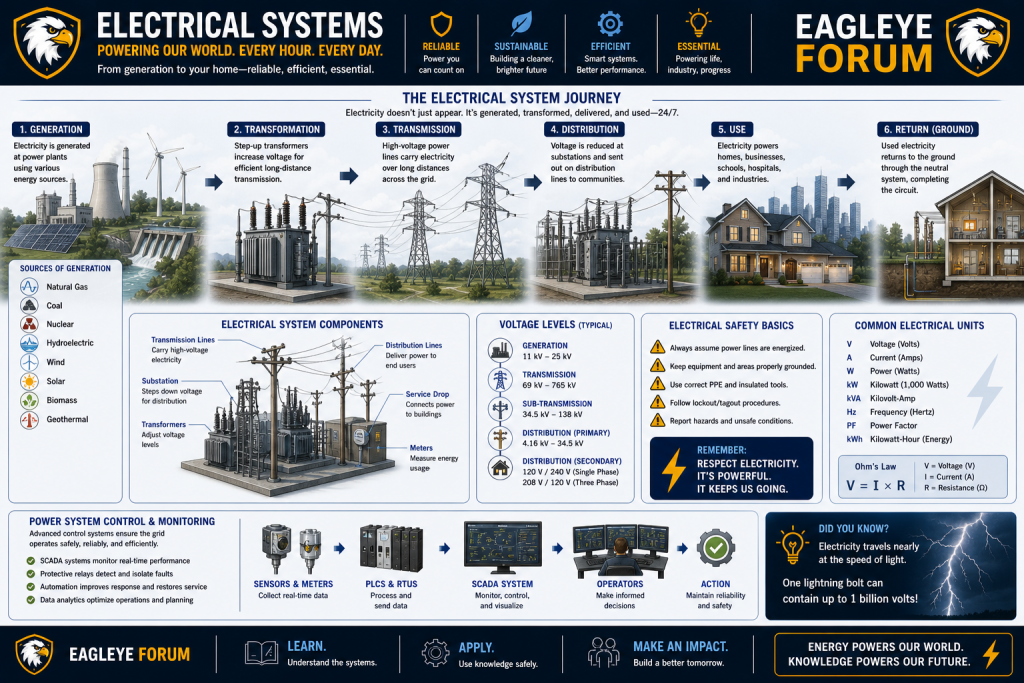
Electrical systems are the backbone of modern infrastructure, delivering the power needed to operate everything from homes and businesses to factories and critical facilities. Understanding how electricity is generated, distributed, controlled, and safely applied is an essential skill for anyone working in the skilled trades, facility operations, or engineering.
- Electrical systems in Skilled Trades
- Current Loop Systems
💧 Water Systems Hub
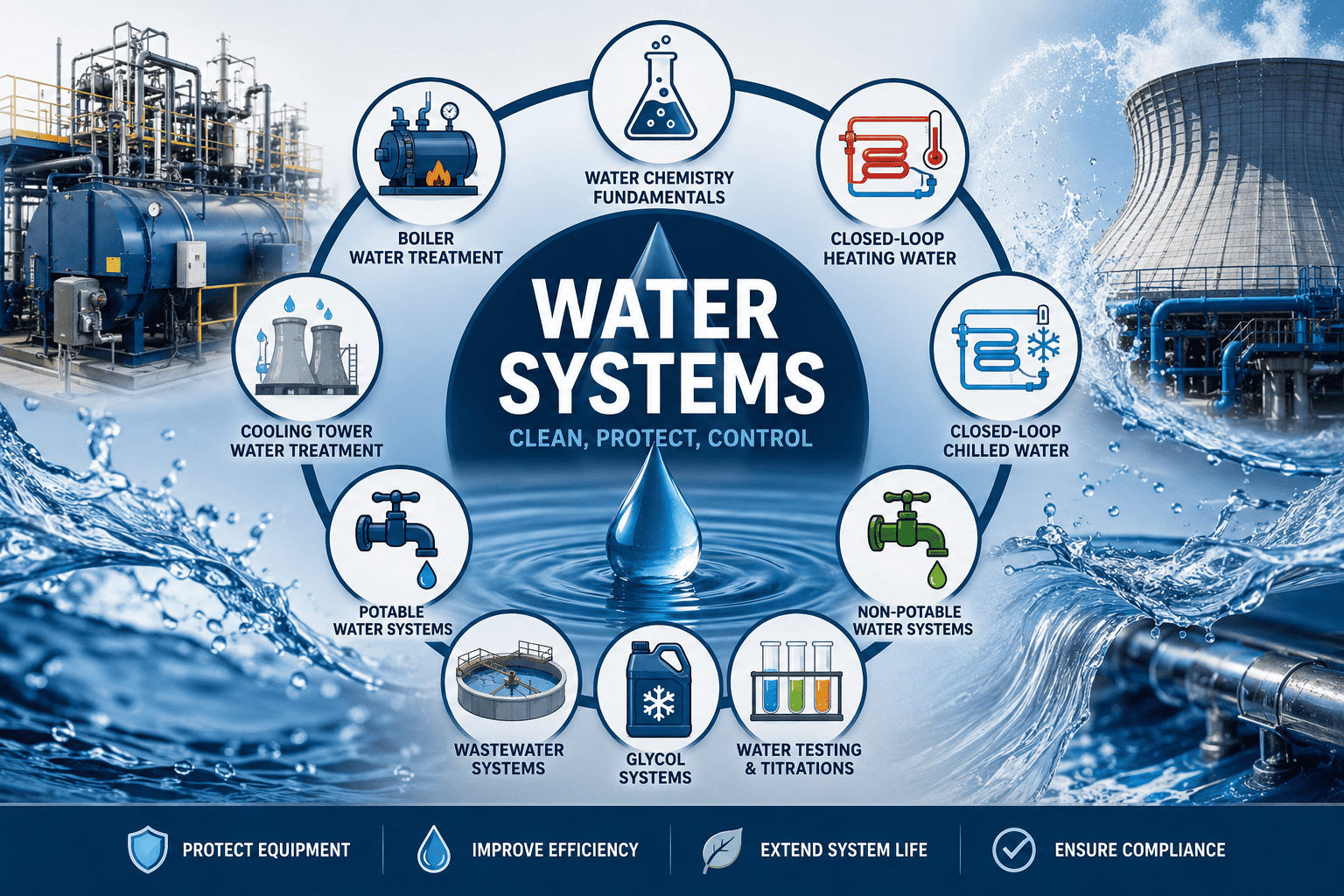
Water is one of the most essential resources on Earth, yet few people realize the incredible journey it takes before reaching a faucet—or where it goes after it disappears down the drain. Every home, hospital, factory, and city depends on an interconnected network of water treatment, distribution, collection, and environmental systems working continuously behind the scenes to protect public health and sustain modern life.
- 🧪 Water Sources- Where does our tap water come from?
- ♻️ Wastewater Treatment
- 🌊 Microbial Warfare Key Players
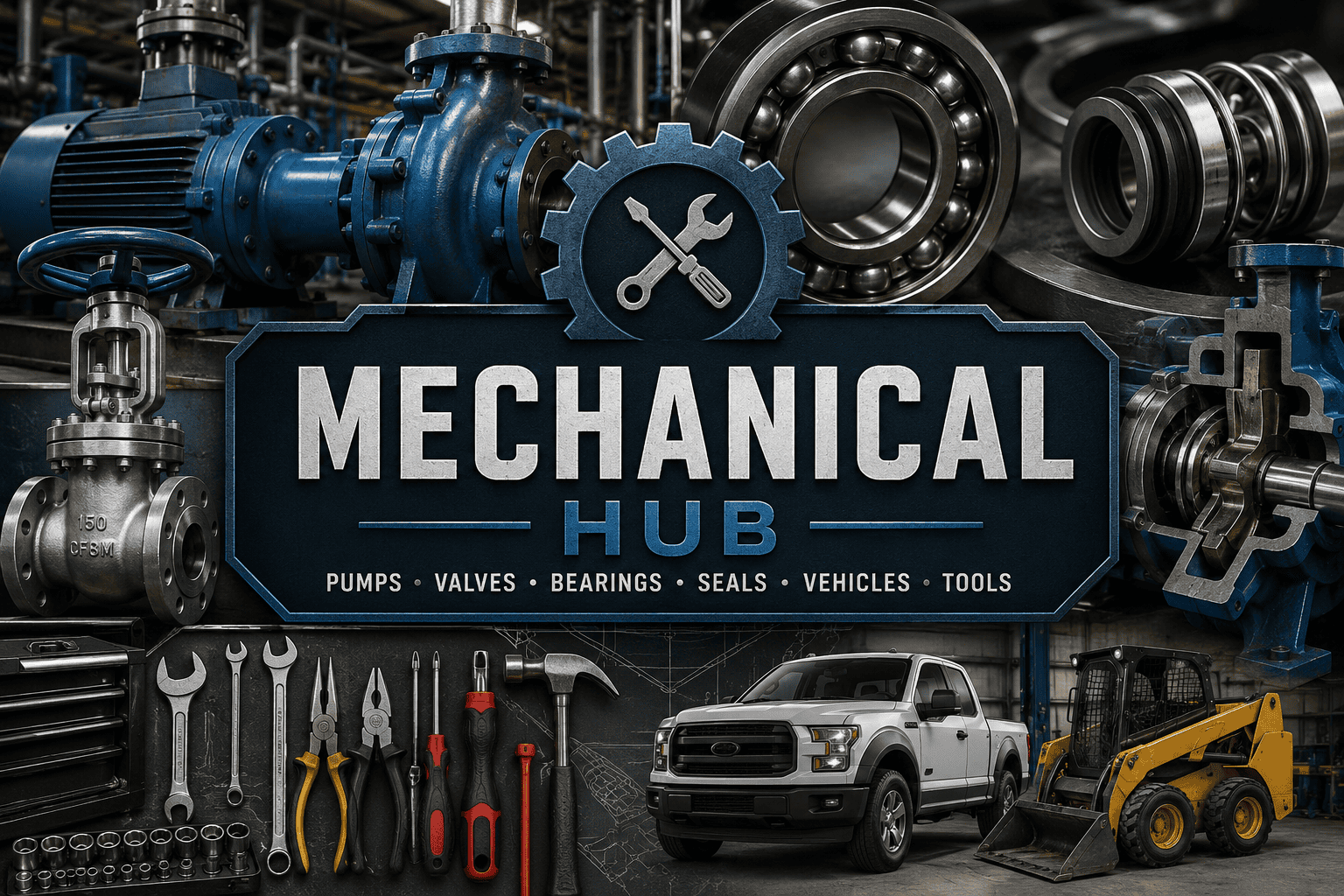
⚙️ Mechanical Hub
Mechanical systems are the moving force behind nearly every industry, from manufacturing and facility operations to transportation and construction. This hub explores the essential components that keep equipment running, including pumps, valves, bearings, mechanical seals, vehicles, tools, and other core mechanical systems. Whether you’re learning the fundamentals or expanding your technical knowledge, these articles provide a practical understanding of how mechanical equipment operates, how components work together, and the maintenance practices that keep them performing reliably.
- Automotive
- Tools
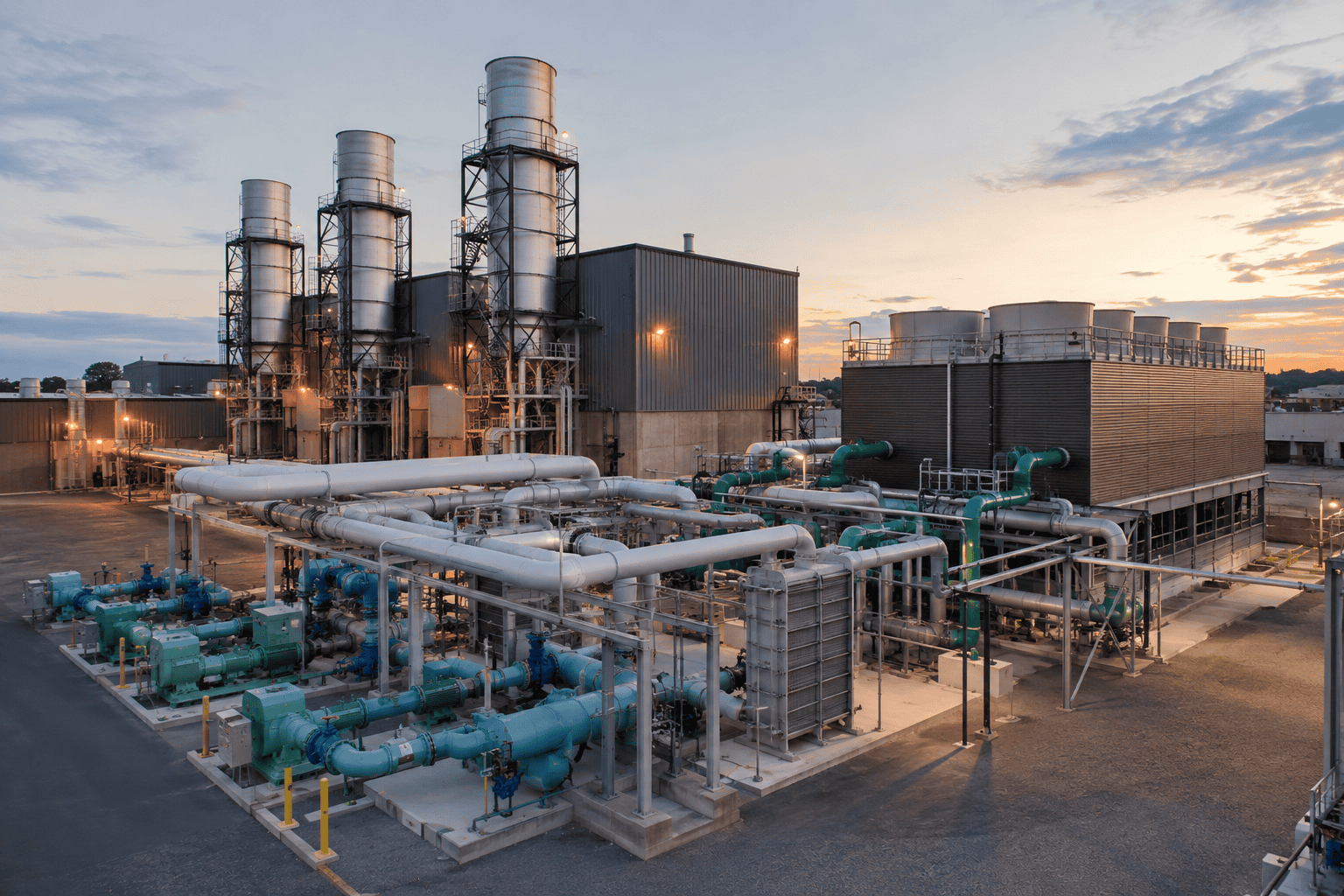
🏭 Central Utility Plant
A Central Utility Plant (CUP) is the energy hub of a large facility, producing and distributing the heating and cooling required to keep buildings comfortable, equipment operating, and critical processes running reliably. Using systems such as boilers, steam distribution, chillers, cooling towers, pumps, heat exchangers, expansion tanks, and Building Automation Systems (BAS), a central plant generates thermal energy and delivers it wherever it is needed. Although these systems are often hidden from public view, they work together continuously behind the scenes, making the Central Utility Plant one of the most important—and technically fascinating—parts of modern facility operations.
- Core systems overview
- Boilers
- Steam systems
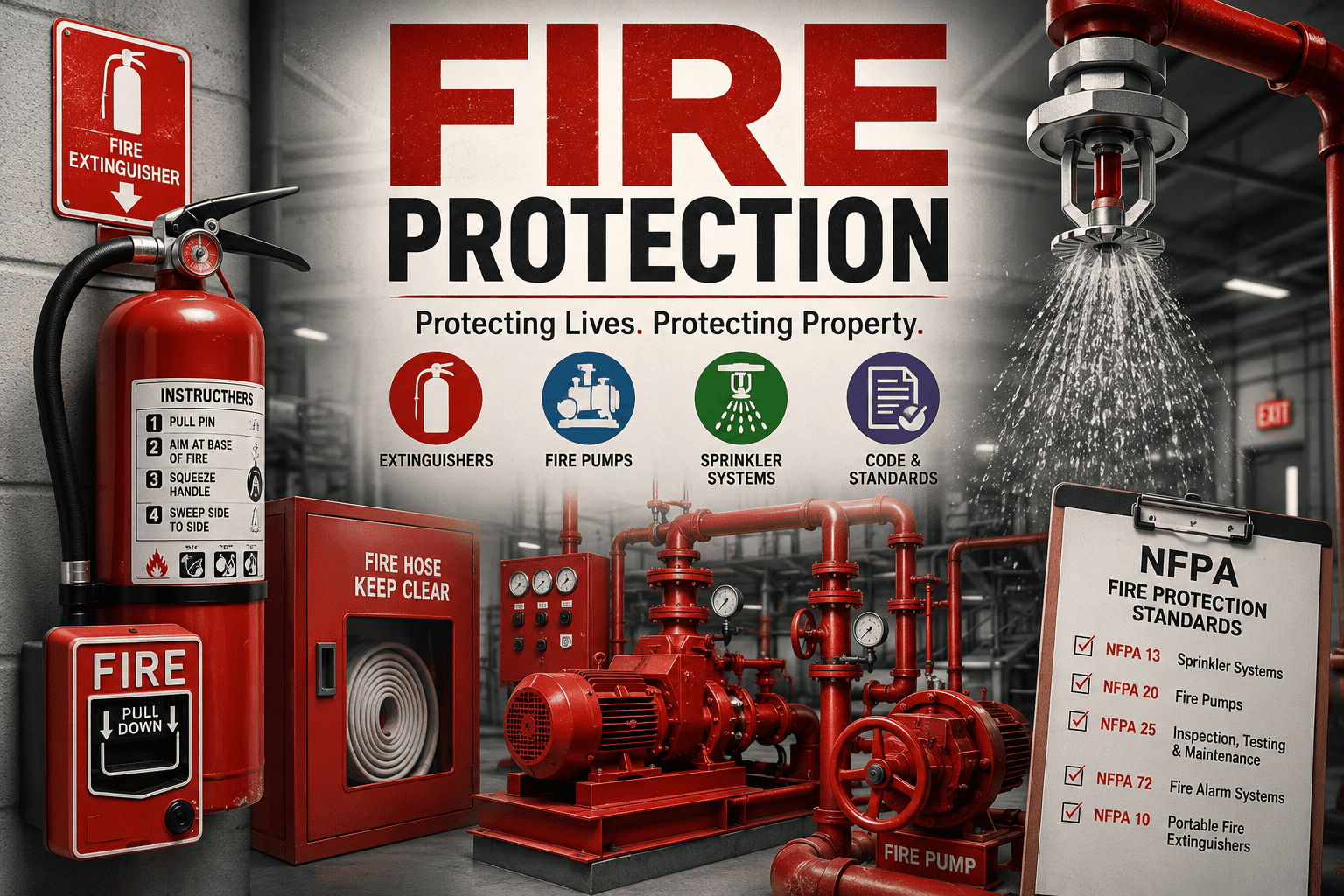
Fire Protection Hub
Fire protection systems are designed to detect, contain, and suppress fires before they threaten lives and property. From portable fire extinguishers and automatic sprinkler systems to fire pumps and life safety codes, each component plays a critical role in reducing fire risk and minimizing damage. Understanding how these systems work together is essential for anyone involved in facility operations, maintenance, or building safety.
- Fire Extinguishers
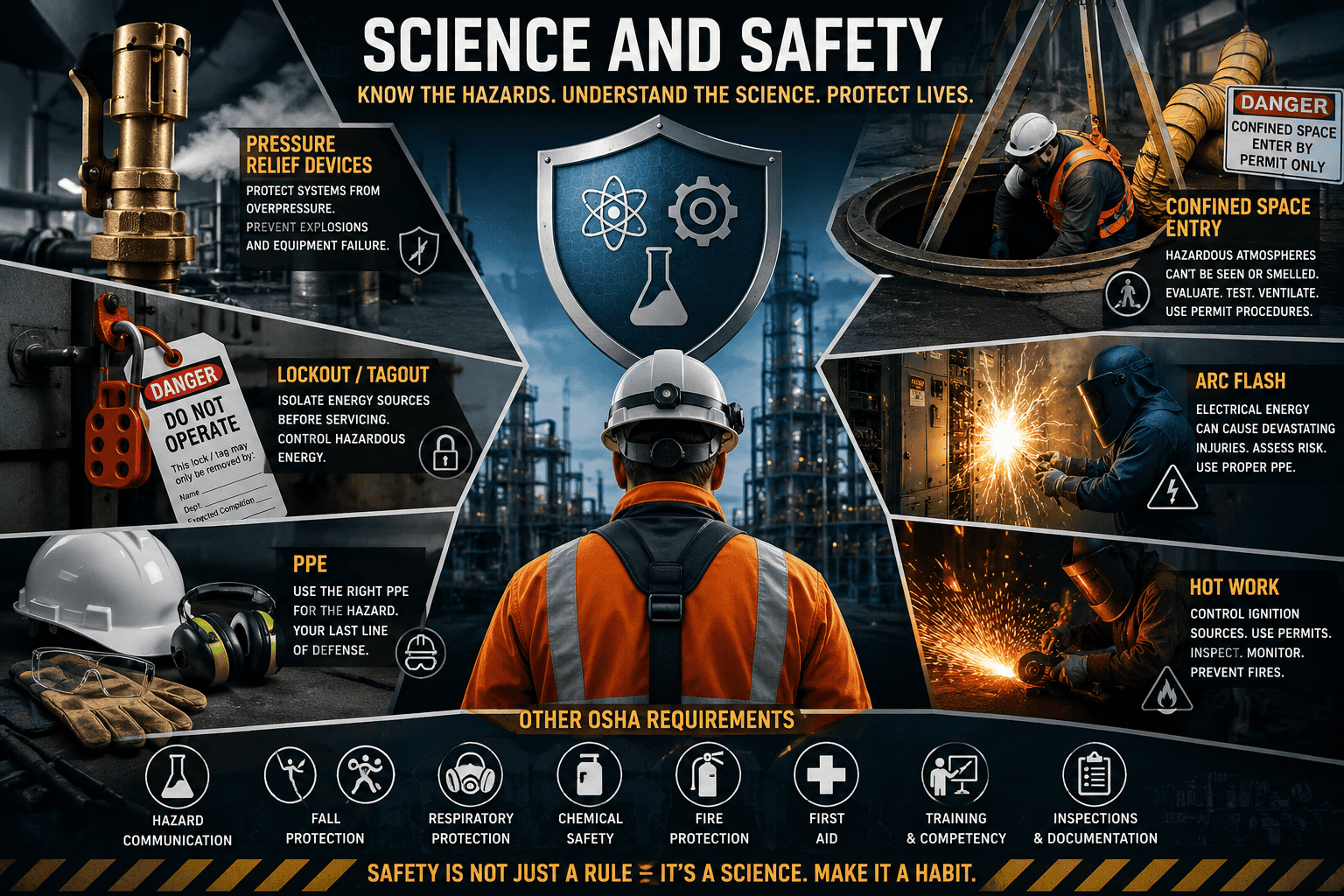
Science and Safety
Science and safety are inseparable in every industrial and commercial workplace. Understanding the scientific principles behind workplace hazards—from pressure, electricity, chemistry, and biology to mechanical forces—helps explain why safety procedures exist. This section explores the knowledge, regulations, and best practices that protect people, equipment, and facilities while building a stronger understanding of how to work safely and confidently in any environment.
- Lockout / Tagout