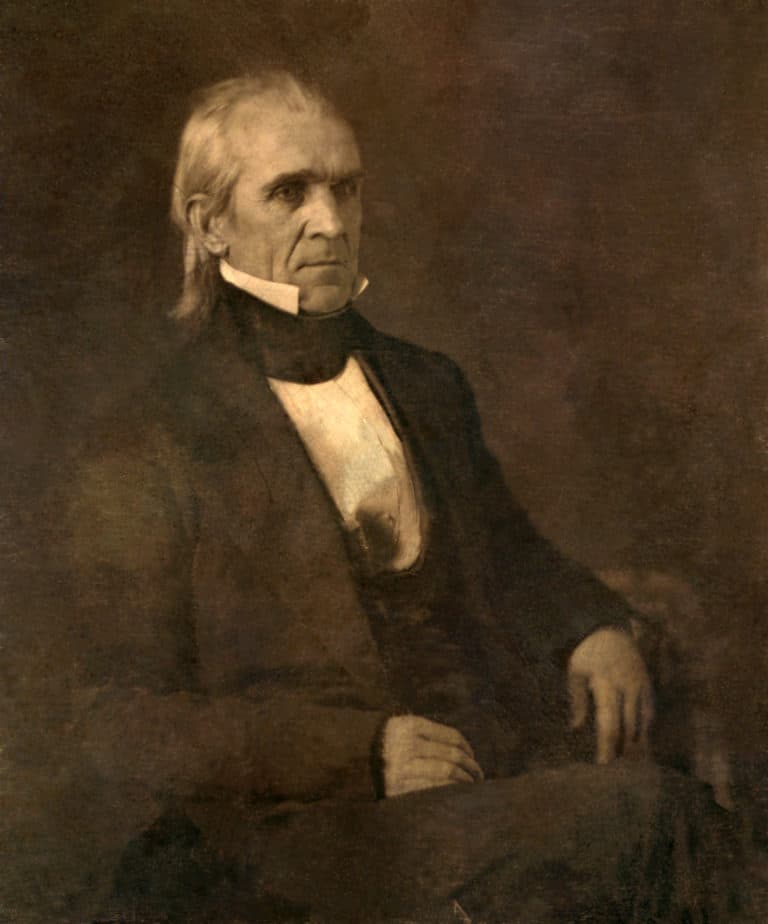
#26 Theodore Roosevelt- Trust Buster

10/27/1858 – 1/6/1919
Party: Republican
Timeline; 1901-1909
#26 Theodore Roosevelt- Trust Buster
Roosevelt made a name for himself from his service in the New York National Guard (1882-1886) where he also served on the New York Assembly and authored his first book “The Naval War of 1812“. He was assistant to the secretary of the Navy (1897-1898) before joining the U.S. Army (1898) for the Spanish-American War, where he was much involved in the Battle of Las Guasimas, and the Battle of San Juan Hill. After the war he became Governor of New York (1899-1900) and then Vice President (1901) to President McKinley.
1901;
- Roosevelt becomes the 26th President of the United States at the age of 42.
- U.S. and Great Britain sign the Hay-Pauncefote Treaty where Britain grants control of an isthmian canal to the U.S.
- Congress extends the Chinese Exclusion Act
1902;
- Coal miner’s strike of Pennsylvania starts where 140K people leave their jobs, dubbed Anthracite Coal Strike.
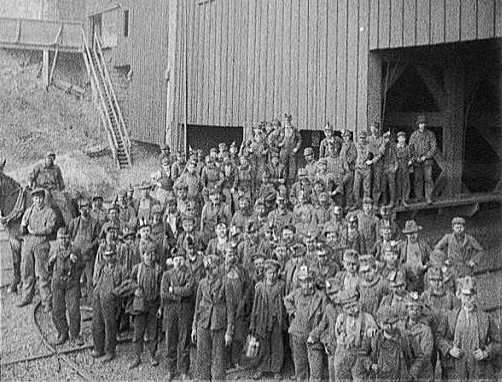
ANTHRACITE COAL STRIKE
- Roosevelt establishes Crater Lake National Park in Oregon
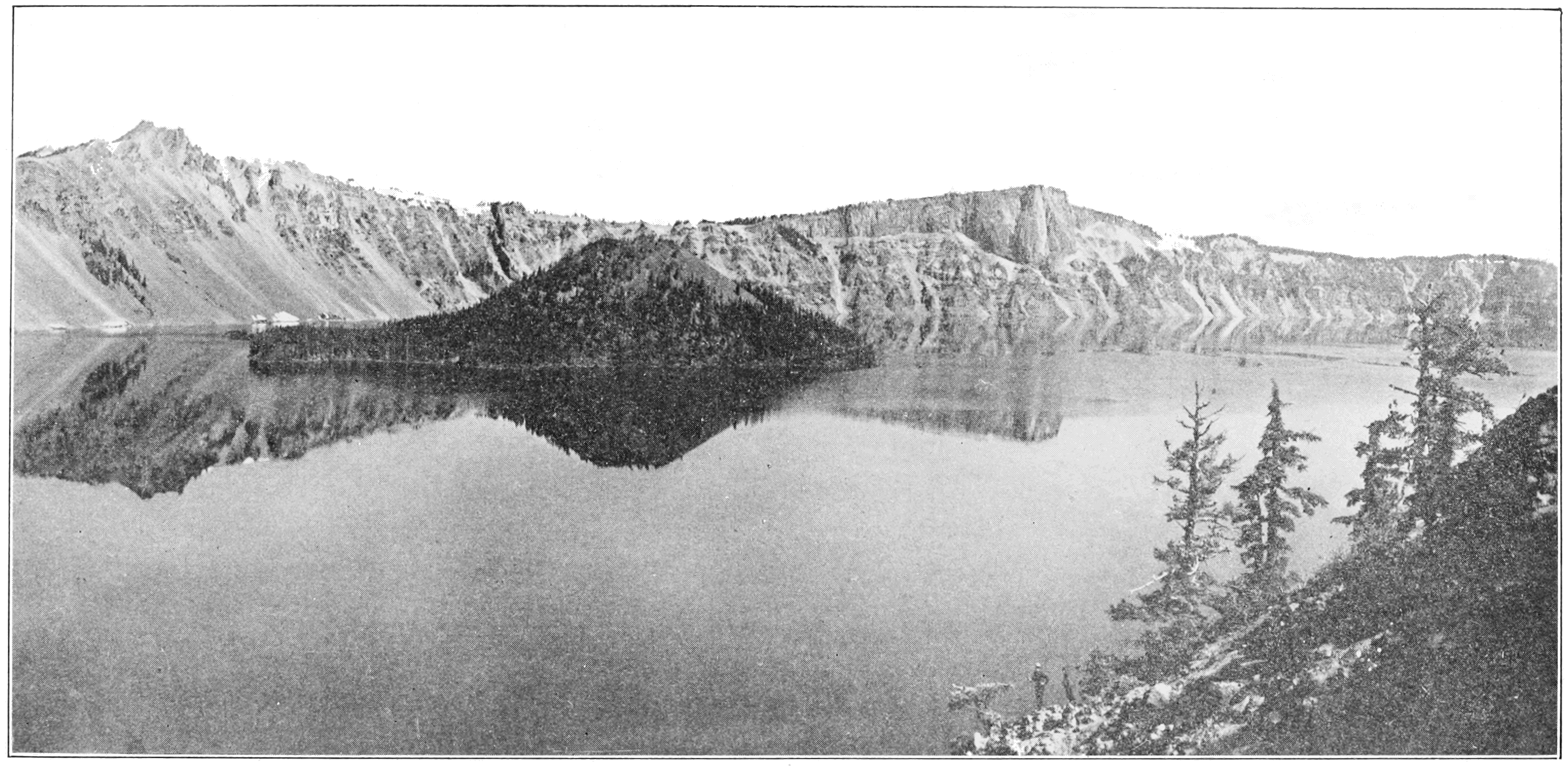
CRATER LAKE
- Roosevelt signs the Newlands Reclamation Act, authorizing Federal irrigation projects
- Congress passes Isthmian Canal Act which called for the funding of building the canal across Panama
- Congress passes the Philippine Government Act establishing the islands as an unorganized territory and dubbing the inhabitants as territorial citizens
- Roosevelt puts a stop to the Anthracite Coal Strike by developing a reform program known as the Square Deal
1903;
- Roosevelt signs bill creating the Department of Commerce and Labor.
- Congress approves the Elkins Anti-Rebate Act, making it illegal for railroads to give rebates on their published freight rates.
- Department of Justice announces that the federal government will prosecute the Northern Securities Company for violating the Sherman Antitrust Act.
- Supreme Court makes decision on Champion v. Ames, making federal police power superior to the states
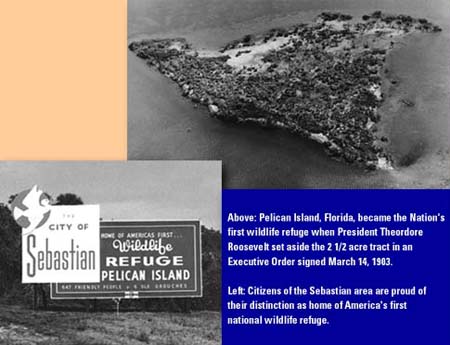
- Roosevelt proclaims Pelican Island, Florida as the first federal bird reservation
- The report of the Anthracite Coal strike Commission declares that workers cannot be discriminated against because they belong to a union
- A revolt breaks out in Panama against Colombian rule. Presence of the U.S. Navy prevents Columbia from crushing the revolt as U.S. recognizes the Republic of Panama
- The U.S. negotiates the Hay-Buneau-Varilla Treaty with Panama to build the Panama Canal.
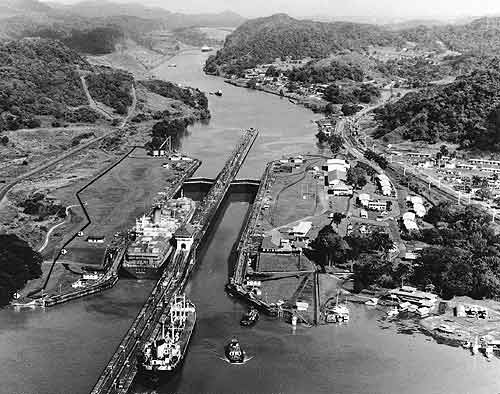
PANAMA CANAL CONSTRUCTION
1904;
- Supreme Court rules that citizens of Puerto Rico are not illegal aliens and cannot be denied entry to the U.S. but the court also states they are not citizens either.
- Roosevelt appoints a commission to oversee the Panama Canal construction.
- Supreme Court rules in Northern Securities Company v. United States and orders the dissipation of the Company due to their breaking the Sherman Anti-trust Act.
- A merger between the Consolidated and The American & Continental tobacco companies produces the American Tobacco Company.
- Roosevelt sends his annual message to Congress issuing the Roosevelt Corollary to the Monroe Doctrine.
1905;
- The United States signs a protocol with the Dominican Republic, thereby giving it control of the latter’s customs and international in and mollifying European creditors.
- Roosevelt establishes the National Forest Service.
- Supreme Court recognizes the legality of compulsory vaccination laws in Jacobson v. Massachusetts.
- Roosevelt wins his second term, and first full term with Charles W. Fairbanks as his V.P.
- Supreme Court rules that state laws limiting working hours are illegal in Lochner v. New York
- The Industrial Workers of the World (IWW) forms in Chicago, Illinois, to counteract the conservative American Federation of Labor
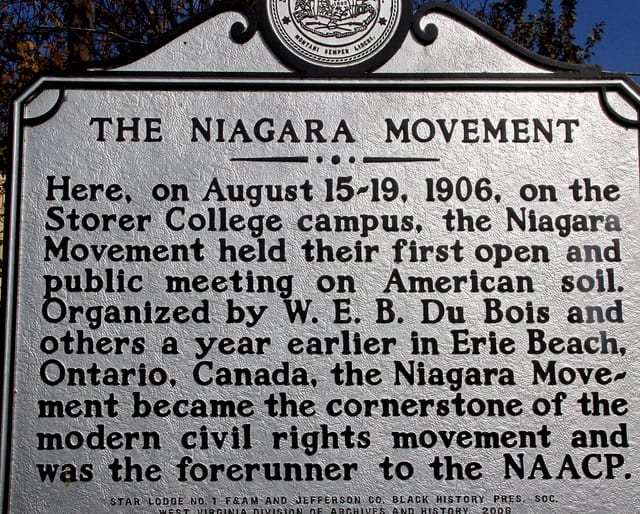
- A group of black intellectuals, including W.E.B. DuBois, meets near Niagara Falls to demand racial equality. This begins the Niagara Movement
- Roosevelt mediates and urges an end to the Russo-Japanese War, bringing Russia and Japan to compromise and sign the Portsmouth Treaty.
1906;
- The Algeciras Conference opens, Roosevelt plays mediator on the disagreement of France and Germany over Morocco.
- Clashes erupt in Brownsville Texas after white civilians taunt black soldiers. 3 whites are killed
- A devastating earthquake strikes San Francisco, California, killing 452 and leveling 490 blocks

EARTHQUAKE IN SAN FRANCISCO, 1906
- Roosevelt signs the National Monuments Act, establishing the first 18 national monuments, including Devils Tower, Muir Woods and Mount Olympus
- Roosevelt signs the Hepburn Act which gives the interstate Commerce Commission increased power to relegate railroad rates.
- Roosevelt signs the Meat Inspection Act and the Pure Food and Drug Act.
- Roosevelt sends troops to Cuba at President Palma’s request to quell rebellion from a disputed election.
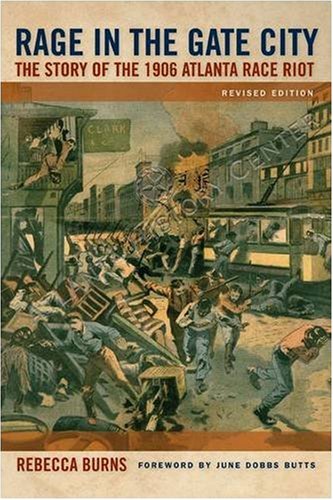
- Race riot breaks out in Atlanta, Georgia, leaving 18 blacks and 3 whites dead.
- The Platt Amendment is invoked, authorizing U.S. military control of Cuba.
- Roosevelt becomes first President to travel abroad as he and his wife go inspect the building of the Panama Canal
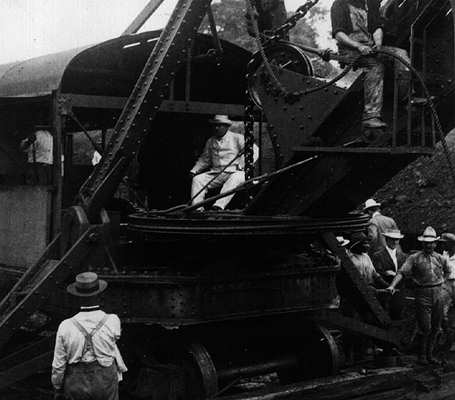
ROOSEVELT VISITING PANAMA CANAL
- Roosevelt is awarded the Nobel Peace Prize for his role in ending the Russo-Japanese War during the Portsmouth Conference in 1905
1907;
- Congress passes a law prohibiting campaign contributions to candidates for national office.
- Cleveland is laid to rest in Princeton, New Jersey
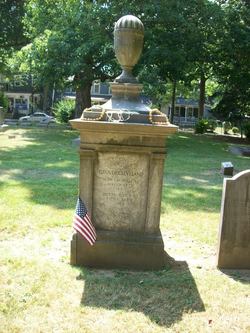
GROVER CLEVELAND BURIAL
- The Dominican Republic and the United States sign a treaty empowering American agents to collect Dominican customs taxes for the purpose of satisfying the nation’s creditors.
- Roosevelt signs the Immigration Act of 1907, which includes a provision allowing the President to restrict Japanese immigration.
- Roosevelt issues proclamations establishing forest reserves in affected states before the law goes into effect
- An executive Inland Waterways Commission is appointed to study the relationship between forest preservation and commercial waterways.
- The Second International Peace Conference opens at The Hague, The Netherlands. The United States argues, unsuccessfully, for the establishment of a World Court.
- The Panic of 1907 begins when shares of the United Copper Company begin to fluctuate wildly.

- Okalahoma becomes the 46th state
- Roosevelt orders the Great White Fleet to embark on a voyage around the world to emphasize America’s growing naval strength.
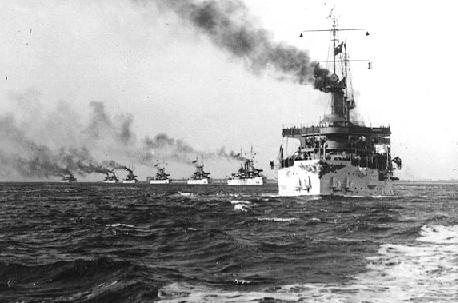
GREAT WHITE FLEET
- Grand Canyon becomes a National Monument
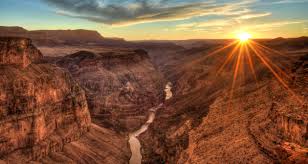
GRAND CANYON, ARIZONA
1908;
- Supreme Court rules that antitrust laws apply to labor unions in Loewe v. Lawlor
- The United States and Japan reach an agreement on the restriction of Japanese immigration.
- First Conference of Governors takes place in the White House to discuss the problems of conservation.
- Congress passes a child labor law for the District of Columbia.
- Roosevelt establishes the National Commission for the Conservation of Natural Resources
- The General Motors Company files incorporation papers in Hudson County, New Jersey
- Ford introduces the “Model T” automobile, which costs $850, making Henry Ford’s mass-produced cars available to the average wage earner.
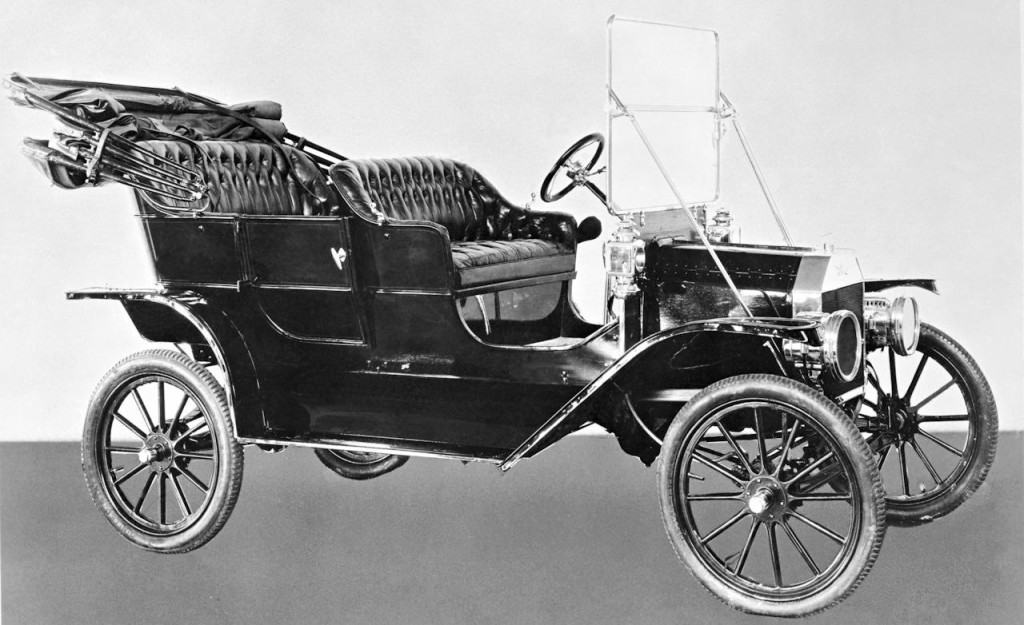
FORD MODEL T
1909;
- Black intellectuals, including W.E.B. DuBois, and white progressives, led by Oswald Garrison Villard, form the National Association for the Advancement of Colored People (NAACP).
- The North American Conservation Conference convenes at the White House
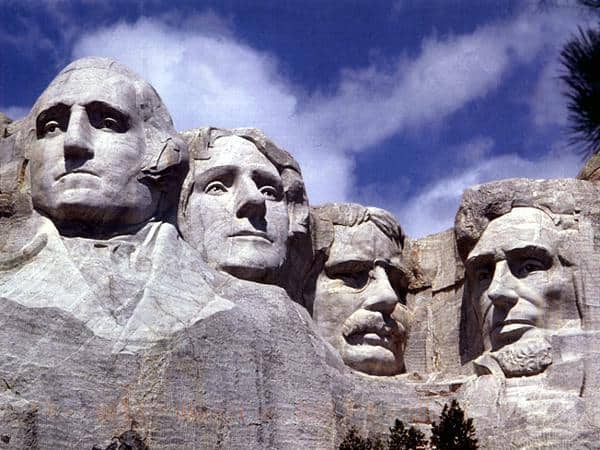
Roosevelt was one of the most activist Presidents. His many accomplishments included the building of the Panama Canal, cracking down on business monopolies, and creating many national parks. After his terms he went on a yearlong African safari in order to avoid charges that he was attempting to run the White House from the shadows. Upon his return he got back into politics and even attempted another run but failed. He went on to write and journey more, even planning another run at the White House but passed away beforehand. He is one of the four faces of Mount Rushmore
Famous quotes;
“Do what you can, with what you have, where you are.”
“Speak softly and carry a big stick; you will go far.”
“If you could kick the person in the pants responsible for most of your trouble, you wouldn’t sit for a month.”
“Nobody cares how much you know, until they know how much you care.“