
#32 FDR- Franklin D. Roodevelt- The New Deal Architect

1/30/1882 – 4/12/1945
Party: Democrat
Timeline; 1933-1945
#32 Franklin D. Roodevelt- The New Deal Architect
Roosevelt entered politics in 1910, serving first as a member of the New York Senate’s 26th district (1911-1913), he then went on to serve as Assistant Secretary of the Navy (1913-1920) before being struck with debilitating polio, where he spent most of his years in Warm Springs, Georgia, where the water helped him gain feeling in his legs again. Once able to regroup he went on to serve as the Governor of New York (1929-1932)
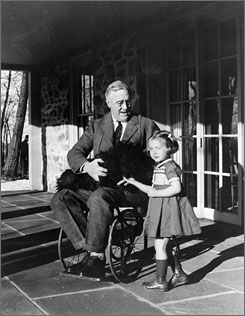
ROOSEVELT AT WARM SPRINGS
1933;
- Roosevelt becomes the 32nd President of the United States at the age of 51. John Garner is his VP. One of his first orders of business was appointing the first woman to hold a cabinet position; Francis Perkins, as Secretary of Labor
- Roosevelt declares a four-day bank holiday in order to stop the panic run on nation’s banks.
- Hoover Dam is halfway complete
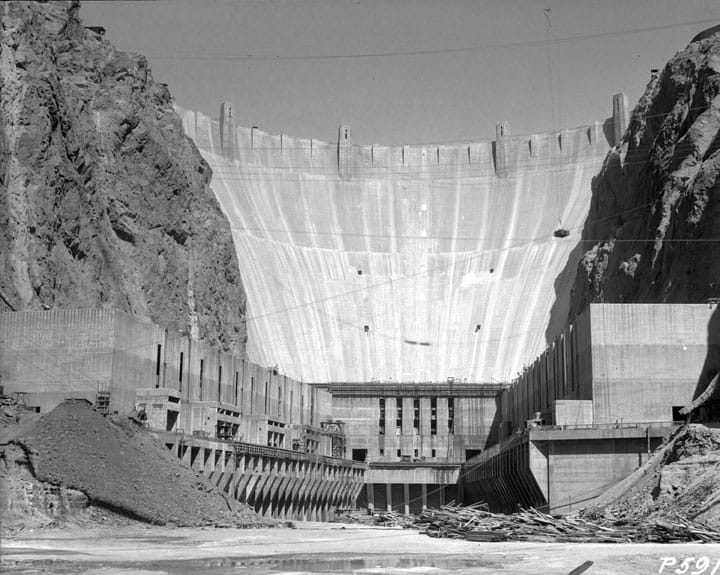
HOOVER DAM 1933
- Congress begins what becomes known as Roosevelt’s “Hundred Days” where Congress enacts many of the principal programs of FDR’s “New Deal.” It passes the Emergency which allows banks to reopen as soon as they can prove they are solvent; within three days, more than 1,000 banks reopen, helping to raise the nation’s confidence.
- Roosevelt delivers his first fireside chat which is a radio address to the nation.
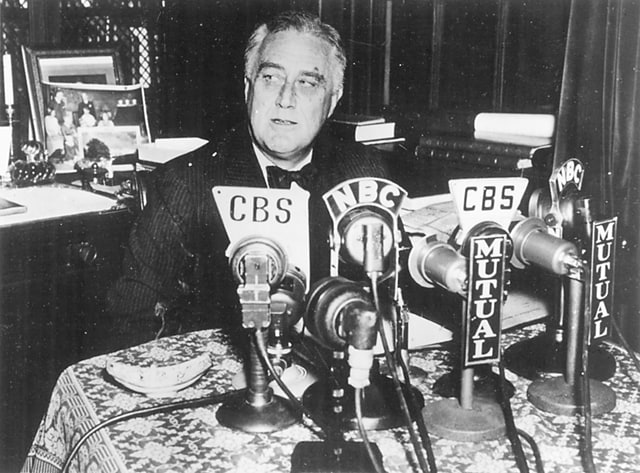
ROOSEVELT FIRESIDE CHAT
- Congress passes the Reforestation Relief Act, which provides for the creation of the Civilian Conservation Corps to offer immediate work to some 250K people
- Roosevelt issues a proclamation, taking United States off the gold standard, allowing more money to become available to Americans, in order to stimulate the economy.
- Congress passes the Federal Emergency Relief Act, to provide immediate grants to states for relief projects. It also passes the Agricultural Adjustment Act, to restrict the production of certain crops and pays farmers not to till their land.
- Congress passes the Tennessee Valley Act to control flooding in the Tennessee River Valley and provide for rural electrification in the seven states comprising the region.
- Congress passes the Federal Securities Act, requiring all issues of stocks and bonds to be registered and approved by the federal government
- The final day of FDR’s “Hundred Days,” Congress passes National Industry Recovery Act which was the centerpiece of Roosevelt’s efforts to revive American industry. It establishes two of the early key agencies of the New Deal: the Public Works Administration and the National Recovery Administration. Congress also passes the Banking Act of 1933, which establishes the Federal Bank Deposit Insurance Corporation, and the Farm Credit Act.
- Roosevelt establishes the National Labor Board in order to enforce the right of organized labor to bargain collectively.
- The American Federation of Labor votes to boycott all German-made products to protest the Nazi party’s antagonism towards organized labor in Germany. The next day, Germany withdraws from the Disarmament Conference in Geneva and announces that it will terminate membership in the League of Nations in two years’ time.
- Roosevelt issues an executive order establishing the Civil Works Administration in hopes to provide work for millions of unemployed Americans
- Roosevelt announces that the U.S. will establish domestic relations with the U.S.S.R. after a meeting with the Soviet commissar for foreign affairs, Maksim Litvinov
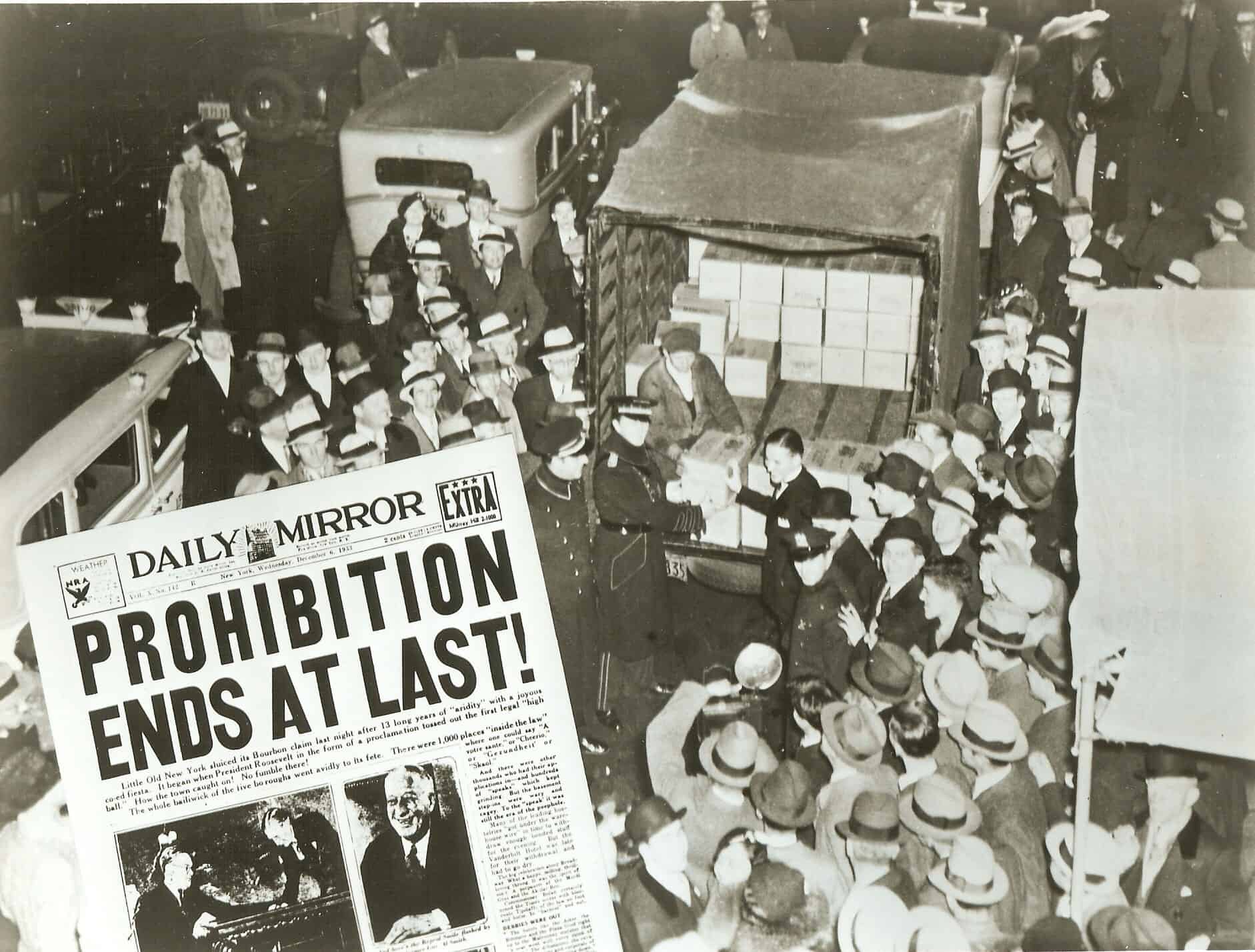
- Utah becomes the 36th state to ratify the twenty-first amendment, ending the Prohibition era.
- Federal Judge John M. Woolsey lifts the ban on James Joyce’s Ulysses, a major decision against the censorship of books
1934;
- Congress passes the Gold Reserve Act, allowing the President to fix the value of the U.S. dollar at between 50 to 60 cents in terms of gold
- Roosevelt signs the Farm Mortgage Refinancing Act, establishing the Federal Farm Mortgage Corporation, designed to help farmers pay their mortgages by granting them easier terms of credit
- Roosevelt issues an executive order establishing the Export-Import Bank to encourage commerce between the U.S. and other foreign nations
- In a show of confidence in the nation’s economic recovery, Henry Ford restores his $5 per day minimum wage to most of his workers
- Congress passes the Tydings-McDuffie Act, guaranteeing Philippine independence after the Philippine legislature meets the terms of the act.
- The Senate establishes a committee to investigate the extent to which manufacturers of munitions influenced and profited from U.S. involvement in the Great War. The findings reinforce the isolationist-neutralist beliefs of many Americans who view international war as profiting only the business elite
- A severe dust storm hits the central and southern plains, blowing an estimated 300,000,000 tons of topsoil from Texas, Oklahoma, Arkansas, Kansas, and Colorado as far east as the Atlantic Ocean. It is only one of a number of such storms ravaging a region which becomes known as “the Dust Bowl.” In large part, the conditions are due to the improper plowing and farming practices used to squeeze yields and profits out of the land during the Depression.
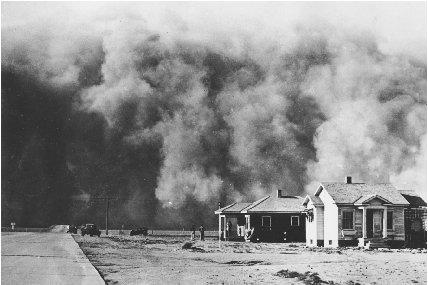
DUST BOWL
- The United States and Cuba sign a treaty releasing Cuba from the Platt Amendment, which had made Cuba a U.S. protectorate following the Spanish-American War in 1903
- Roosevelt signs the Securities Exchange Act, which will license stock exchanges and determine the legality of certain speculative market practices.
- Congress passes the Corporate Bankruptcy Act, allowing corporations facing bankruptcy to reorganize if two-thirds of its creditors agree
- Congress passes the Reciprocal Trade Agreement Act, allowing the President to cut tariffs by as much as 50 percent–without the consent of the Senate–for those nations granting the U.S. most-favored-nation trading status
- Congress passes the Federal Communications Act, creating the Federal Communications Commission (FCC) to regulate radio, telegraph, and telephone communications.
- Roosevelt signs the National Housing Act, creating the Federal Housing Administration, designed to further stimulate home building
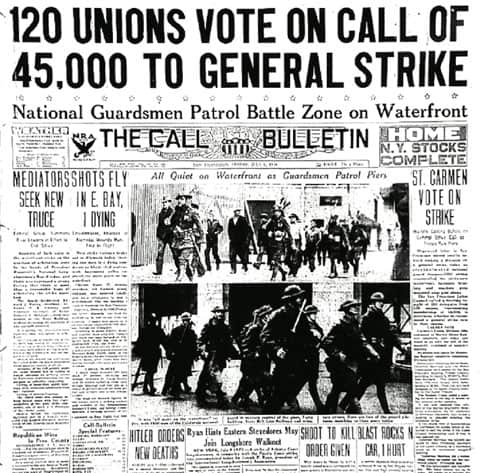
- Organized labor calls for a “general strike”, the first ever in U.S. history, after 12,000 members of the International Longshoreman’s Association walked out in San Francisco.
- John Dillinger, listed as “Public Enemy No. 1” by the FBI, is shot and killed by federal agents outside a Chicago theater.
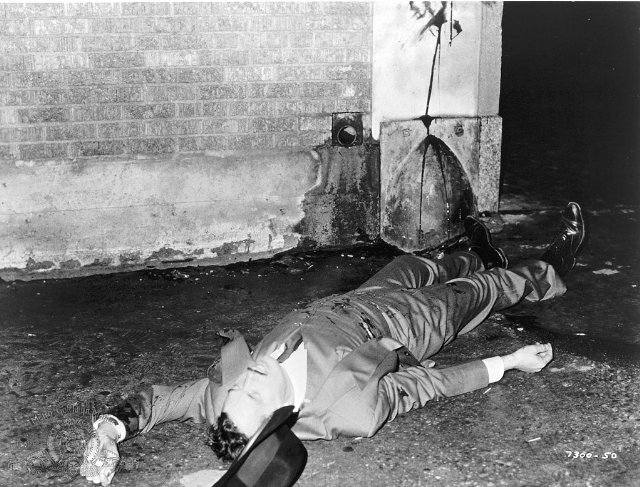
JOHN DILLINGER SHOT DEAD OUTSIDE CHICAGO THEATER
- Japan refuses to abide by terms of the Washington Naval Treaty and the London Naval Treaty
1935;
- Roosevelt delivers a state of the union address announcing his second stage New Deal
- Congress passes the Emergency Relief Appropriation Act, authorizing nearly $5 billion to establish federal programs in line with Roosevelt’s goals
- Roosevelt issues an executive order establishing the Works Progress Administration to provide work and income for millions of Americans through the construction and repair of roads, bridges, public schools, post offices, parks and airfields.
- Roosevelt establishes the Rural Electrification Administration to provide power to regions that private companies deemed unprofitable.
- The Supreme Court rules in Schechter Poultry Corp. v. United States, that the National Industrial Recovery Act of 1933 is unconstitutional
- Roosevelt signs the National Labor Relations Act to ensure the right of labor to organize and bargain collectively
- Roosevelt signs the Social Security Act to guarantee pensions to Americans over the age of 65, establish a system of unemployment insurance, and assist states in aiding dependent children, the blind, and the aged who do not already qualify for Social Security
- Public utilities become under federal regulation following the passage of the Public Utilities Act
- Congress passes the Revenue Act, increasing taxes on inheritances and gifts, as well as on higher incomes and corporations
- Roosevelt signs the Neutrality Act to forbid the shipment of arms and munitions to belligerents during a state of war.
- Senator Huey Long of Louisiana is assassinated
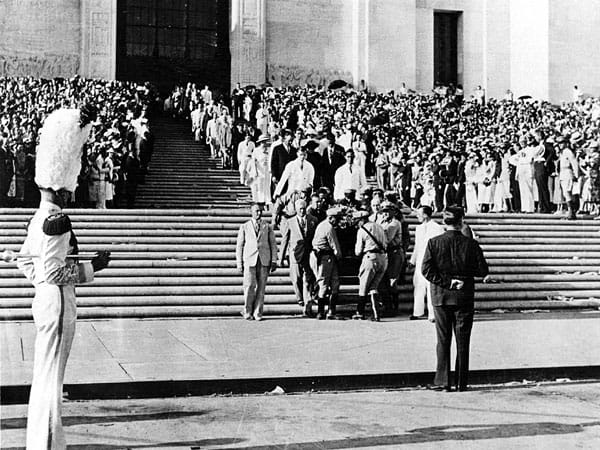
SENATOR LONG’S FUNERAL
1936;
- The Supreme Court rules the Agricultural Adjustment Act to be unconstitutional.
- Congress passes the Adjusted Compensation Act over Roosevelt’s veto, in order to provide immediate cash redemption of the bonus certificates first issued to veterans in 1924
- Ethiopia succumbs to Italy in the Italo-Ethiopian War after its capital falls and Emperor Haile Selassie flees.
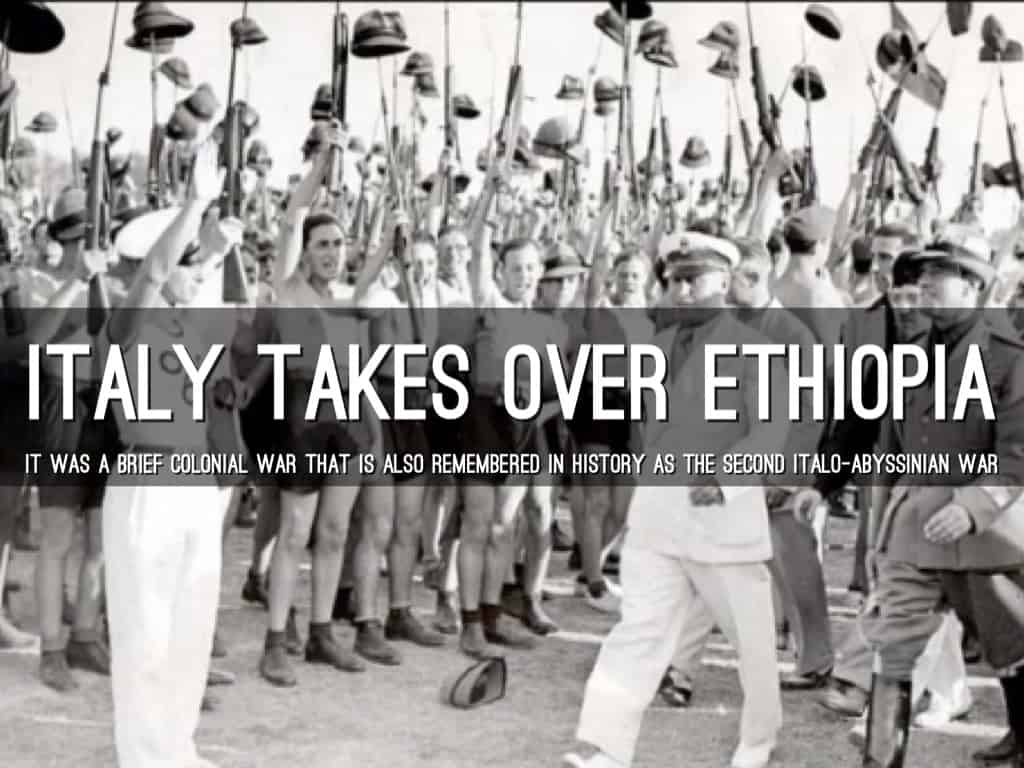
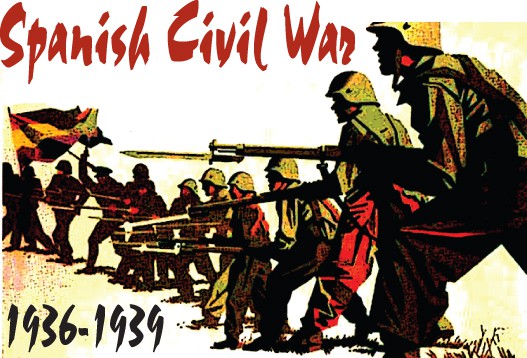
- The Spanish Civil War kicks off as the Spanish Army proclaims a revolution against the government.
- At the Summer Olympics in Berlin, Germany, Hitler’s hope to use the games to demonstrate his country’s national and racial superiority is dashed as African American Jesse Owens steals the spotlight, winning a historic four gold medals in track and field.
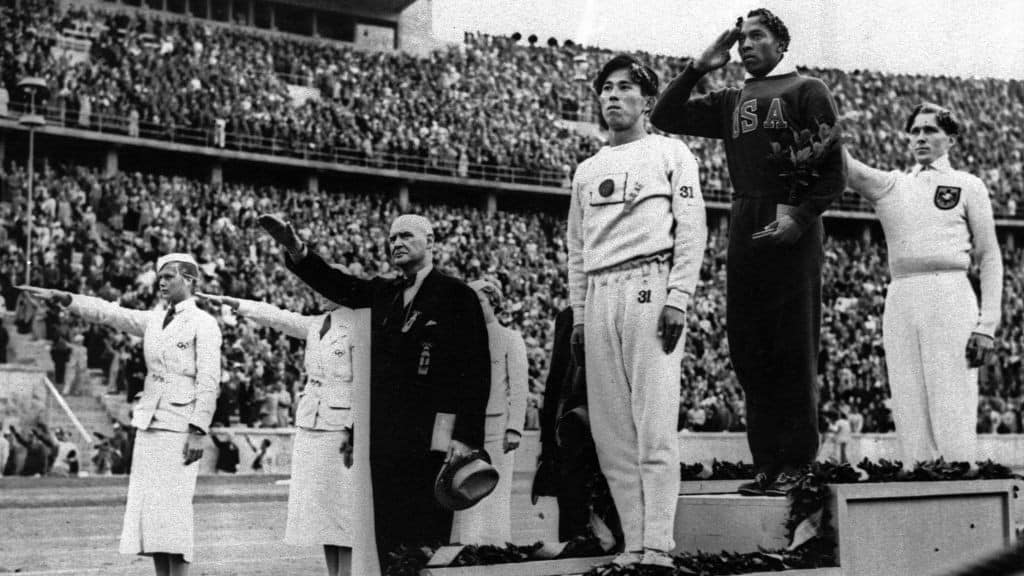
JESSE OWENS VICTORY IN OLYMPICS
- The NAACP wins its case in Gibbs v. Board of Education, against the state of Maryland, ensuring that white and black teachers are paid equally.
1937;
- Roosevelt starts his second term with his Inaugural address promising to continue his fight to return the nation to economic health. John Garner remains VP
- Congress passes the Supreme Court Retirement Act, which permits justices to retire at seventy with full pay, after Roosevelt tries forcing those who fought back his New Deal, to retire, which fails to prompt resignations.
- William H. Hastie becomes the first black federal judge.
- Supreme Court finds the National Labor Relations Act and Social Security Acts to be constitutional, deflating some of the tension between the Judicial and Executive branches
- Roosevelt signs the third Neutrality Act, extending for another year the prohibitions against exporting arms and munitions to belligerents
- The German dirigible Hindenburg explodes outside Lakehurst, New Jersey, killing thirty-six.
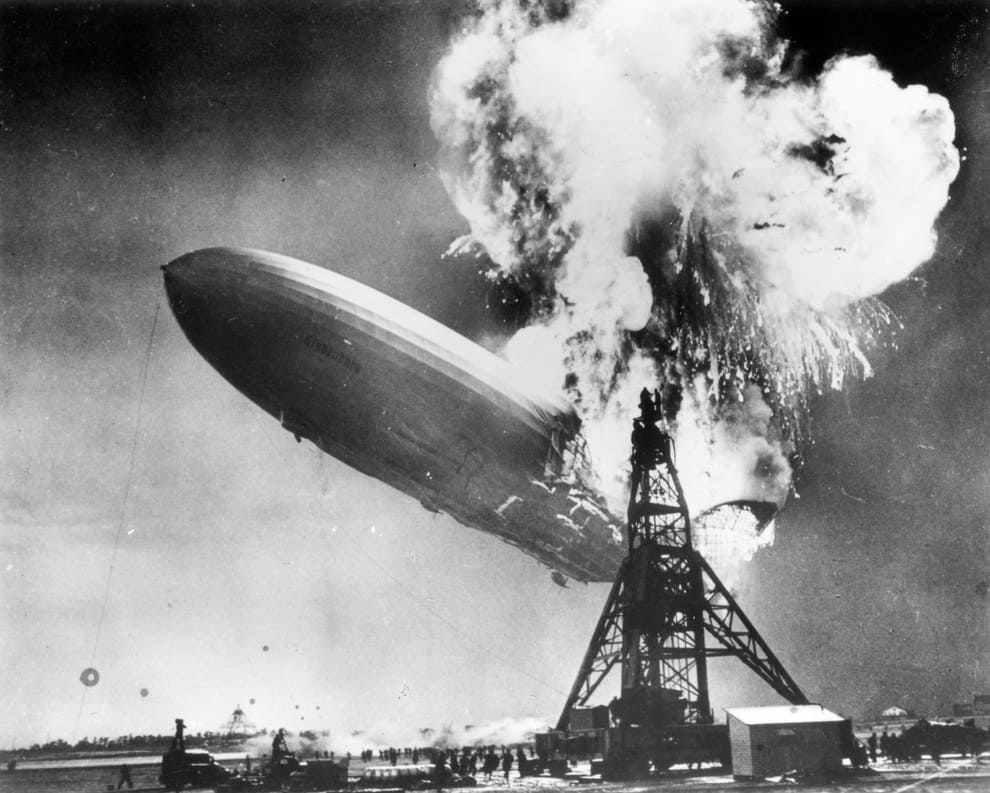
HINDENBURG EXPLOSION
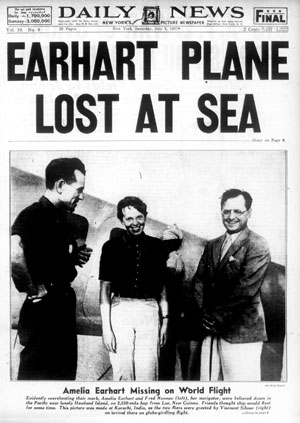
- World-famous American aviator Amelia Earhart vanishes over the Pacific Ocean during her round-the-world flight after radio contact with her comes to a sudden stop.
- Congress passes the National Housing Act. The bill establishes the U.S. Housing Authority, which is charged with administering loans for rural and urban home construction.
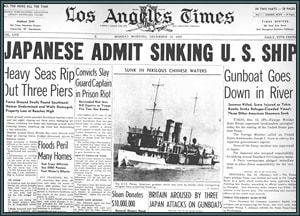
- International relations continue to sour as Italy withdraws from the League of Nations following criticism of its actions toward Ethiopia. Although the U.S. had claimed neutrality in the Japan/China fight, the Japanese Air Force attacks the U.S. gunboat Panay in China’s Yangtze River. Japan government apologizes days later
1938;
- Roosevelt issues his State of the Union Address focusing on the nation’s continuing economic and social problems as well as citing the necessity to be strong in self defense
- Roosevelt submits a recommendation to Congress to increase appropriations to build up the armed forces, especially the Navy.
- Roosevelt signs the second Agricultural Adjustment Act as part of a continuing effort to stabilize agricultural prices and farmers’ incomes.
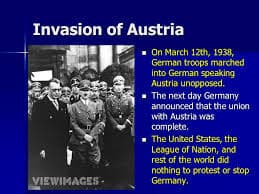
- German troops move into Austria, allegedly to bring order to that country. Hitler, however, will fuse Austria to Germany and describes the annexation as a peaceful.
- The House of Representatives forms the Committee to Investigate all groups on both the Right and Left of the political spectrum deemed un-American.
- Congress passes the Revenue Act of 1938 over Roosevelt’s veto, reducing corporate income taxes for the purpose of stimulating the economy
- Congress appropriates more than $1 billion dollars, over a ten-year period, for the improvement of the U.S. Navy in response to Roosevelt’s earlier request
- Congress passes The Civil Aeronautics Act targeting the rapidly expanding civilian air traffic industry by licensing pilots and standardizing the rules, airways, and equipment for flight.
- Roosevelt signs the Fair Labor Standards Act, raising the minimum wage and setting the maximum work week at 40 hours, though only for businesses engaged in interstate commerce.
- In a private message to the leaders of Britain, France, Germany, and Czechoslovakia, Roosevelt urges that they find a peaceful settlement to the growing Sudetenland crisis British Prime Minister Neville Chamberlain and French Prime Minister Eduard Daladier agree to allow Germany to annex the Sudetenland. Upon his return to England, Chamberlain announces that the Munich Pact guarantees “peace in our time.”
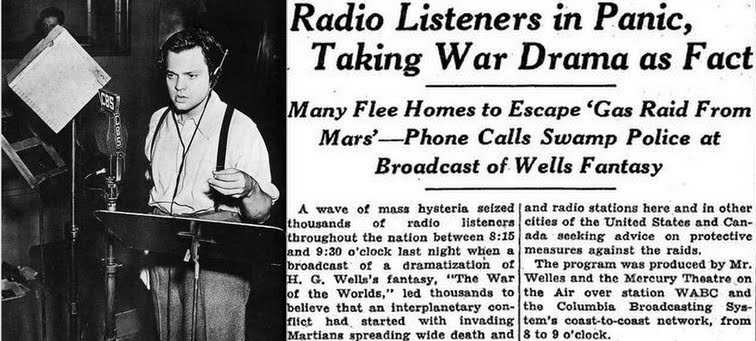
- Orson Welles’ radio play, “War of the Worlds,” is so convincing that large numbers of listeners take to the highways in panic.
- Hugh Wilson, American ambassador to Germany, is called back to the United States for “report and consultation” on anti-Jewish activities there. Four days later, the German ambassador to the United States is also recalled.
- The WPA announces that the number of Americans receiving federal relief has dropped to just over 2.1 million.
1939;
- Roosevelt formally submits his budget to Congress, requesting more than $1.3 billion for defense out of a total of $9 billion.
- The Supreme Court declares the sit-down strike, one of organized labor’s most powerful tactics, unconstitutional.
- The German Army invades Czechoslovakia, five-and-a-half months after gaining the Sudetenland peacefully through the Munich pact. By the end of March, the entire country will be under German control.
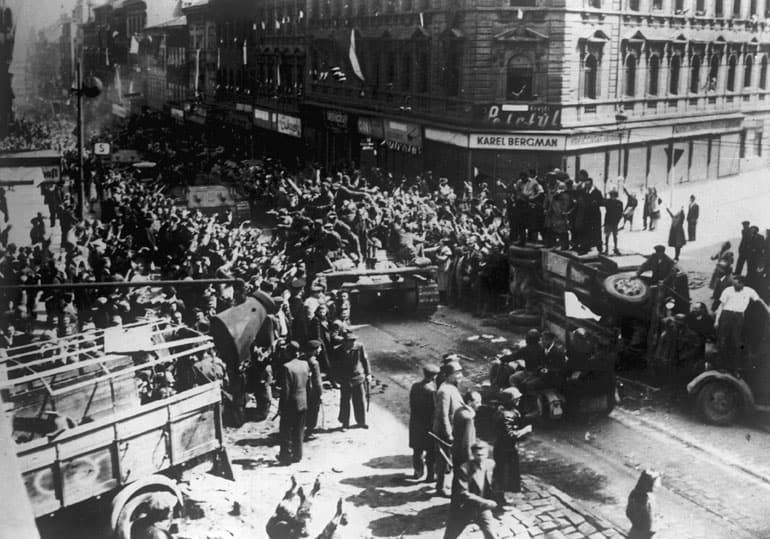
GERMAN INVASION OF CZECHOSLOVAKIA
- As the Spanish Civil War effectively comes to an end, the United States recognizes the government headed by General Francisco Franco.
- Italy invades Albania, causing Roosevelt to write both Hitler, and Mussolini requesting that they offer a ten-year guarantee of peace in Europe and the Middle East in return for U.S. cooperation in international trade and armament talks. Neither leader acknowledges the offer; in fact, Hitler revokes the German non-aggression pact with Poland and the naval agreement with Britain.
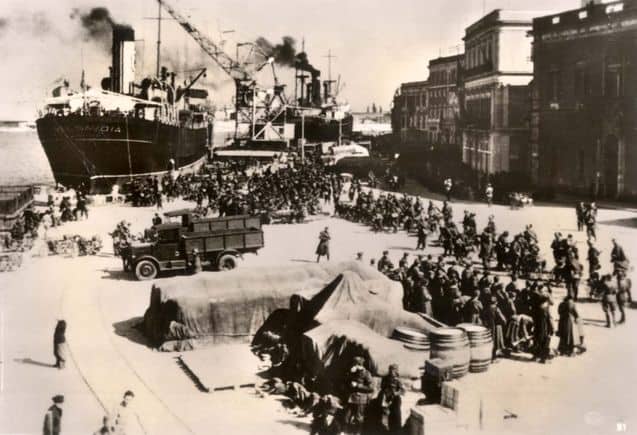
ITALY INVADES ALBANIA
- Transatlantic passenger air service begins a with Pan American Airways flight from Long Island, New York, to Lisbon, Portugal. With twenty-tow passengers, the Dixie Clipper makes the trip in just under twenty-four hours.
- Roosevelt works to cement the U.S. alliance with Britain against the looming Fascist-totalitarian threat. He asks Congress to repeal the arms embargo, revise the neutrality law, and end the trade agreement with Japan.
- Germany and the U.S.S.R. sign a non-aggression pact in Moscow. The world learns of the agreement the next day, creating disruption and dismay in both Communist and non-Communist circles as it seems to reveal Hitler’s intentions to move launch war on Poland.
- Germany launches a major invasion of Poland, starting the World War II.
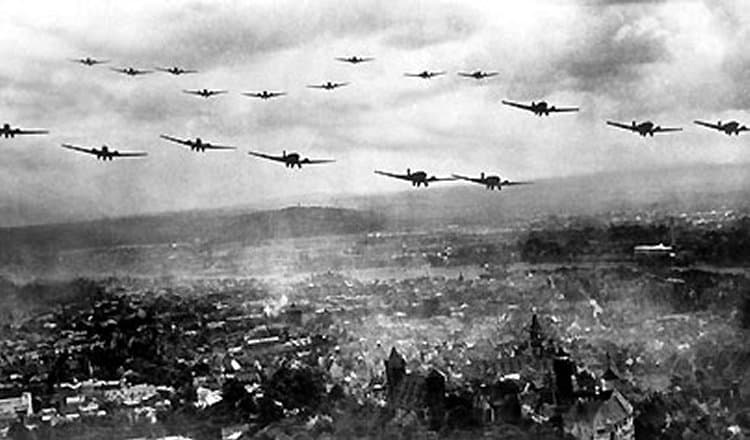
GERMANS INVADE POLAND
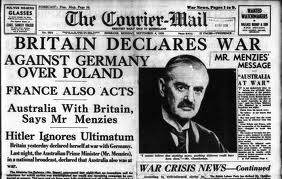
- France and Britain declare war on Germany. With limited domestic support for war, Roosevelt declares U.S. neutrality.
- As an informal part of the non-aggression pact signed a month earlier, Germany and the U.S.S.R. divide up Poland between them
- Roosevelt declares all American ports and waters closed to submarines of belligerents
- Roosevelt signs the Neutrality Act of 1939, repealing the general embargo on arms and allowing the sale of arms to belligerents on a “cash and carry” basis. Allowing the United States to aid Britain and France while retaining their official stance of neutrality.
- The U.S.S.R. invades Finland, bombing its capital, Helsinki.
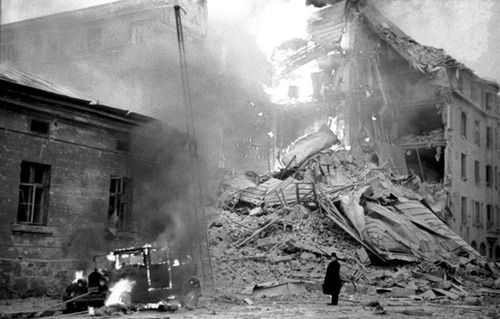
HELSINKI BOMBED
1940;
- The Allies take heavy losses in the Battle of the Atlantic. Waged largely by German subs, or U-Boats, against the British Navy, the Allies lose about 440,000 tons of shipping during these two months alone.
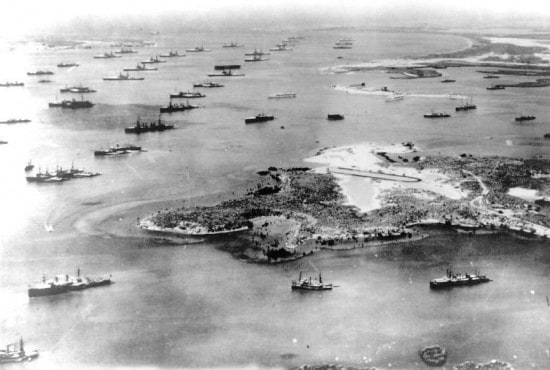
BATTLE OF THE ATLANTIC
- Finland signs an armistice and treaty with the U.S.S.R., ending the Russo-Finnish War and ceding territory to the Russians. Importantly, both Germany and the Allies are aware of the heavy casualties the Russians sustained in battling the seemingly over-matched Finns.
- The German Army invades Norway and Denmark in preparation for its invasion of France, dubbed Operation Weserubung.
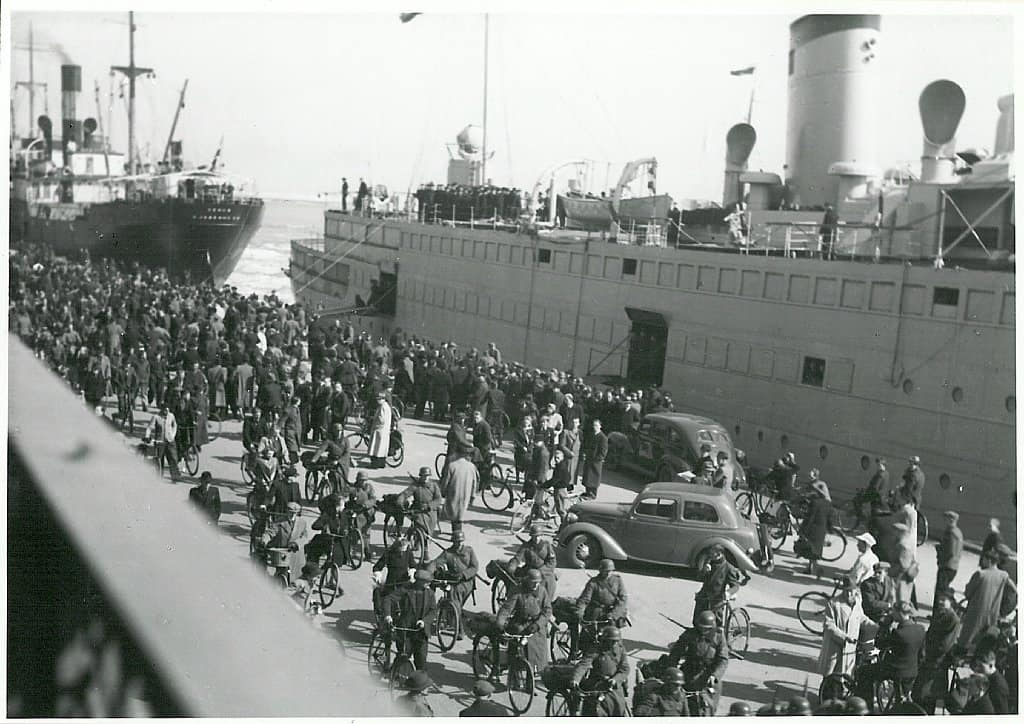
OPERATION WESERUBUNG
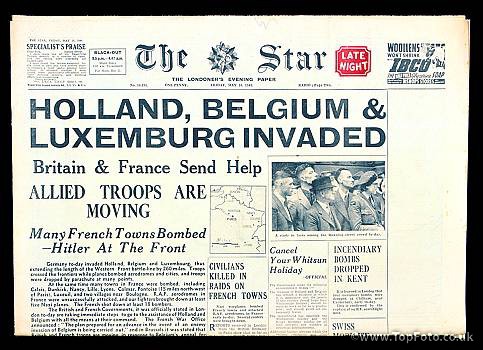
- Continuing its sweep toward France, Germany invades Luxembourg, the Netherlands, and Belgium. Winston Churchill becomes the Prime Minister of Britain, replacing the discredited Neville Chamberlain. Days later, Churchill sends Roosevelt the first of many personal telegrams requesting American aid and participation in the war.
- Roosevelt establishes the Office for Emergency Management, illustrating his belief in the increasing inevitability of U.S. involvement in the war.
- The German Army invades and sweeps across France, thousands of British and French troops converge on Dunkirk, a coastal town in France, in preparation for evacuation of the country. By the time the Germans reach the beach to stop the operation, more than 330,000 troops have been evacuated.
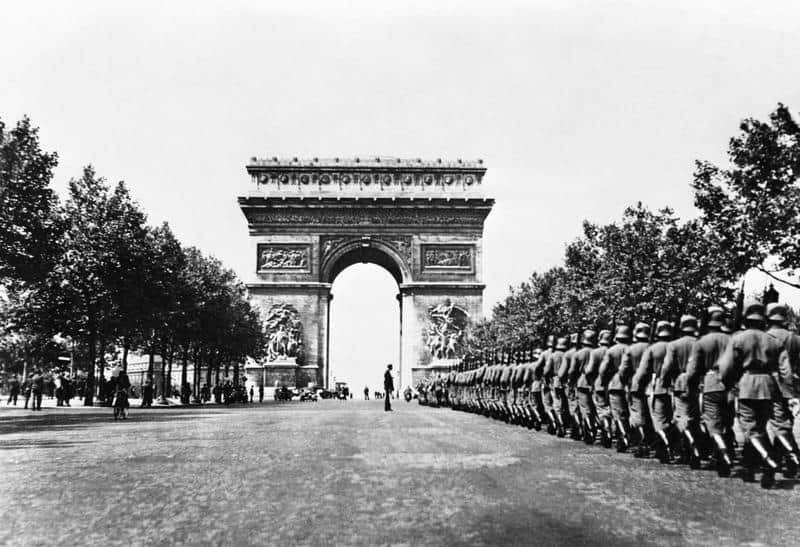
PARIS INVASION
- Churchill delivers his most famous radio address, framing the retreat from Dunkirk as a symbol of the Allies’ determination to win the war.
- Roosevelt announces that the American stance toward the war is changing from “neutrality” to “non-belligerency.” In effect, this means that the United States will now openly support the Allied Powers without actually going to war against the Axis Powers.
- Roosevelt appoints two prominent Republicans to his cabinet: Henry L. Stimson as secretary of war, and Frank Knox as secretary of the Navy. A political move in order to form a “coalition government,” intended to present a unified front to both the world and to Americans
- Congress passes the Alien Registration Act, requiring the registration and finger-printing of all aliens. The bill also prohibits individuals or organizations from advocating the overthrow of the U.S. government by force.
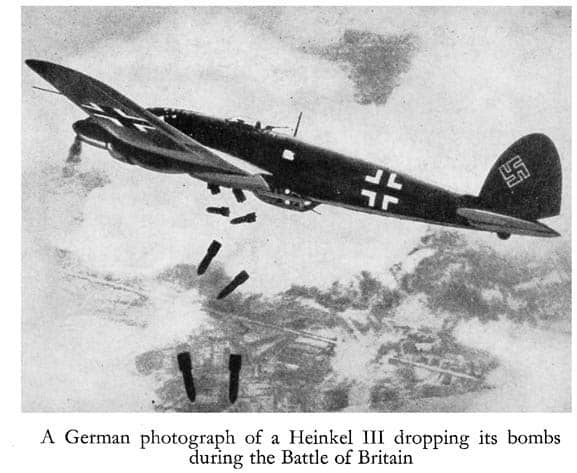
- The Battle of Britain begins with the first bombing raids by the German Air Force.
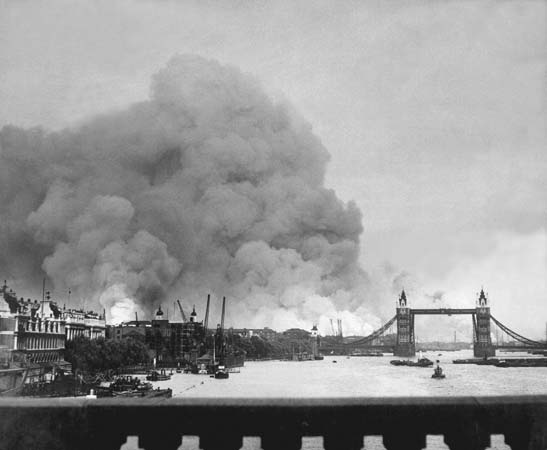
BATTLE OF BRITAIN
- Roosevelt submits a request to Congress for a defense budget of $4.8 billion; days later, Congress appropriates $4 billion to provide the United States with a two-ocean Navy
- The United States trades fifty outdated destroyers to Britain in exchange for the right to construct air and naval bases on British holdings in the Western Hemisphere
- Roosevelt signs the Selective Training and Service Act, authorizing the first peace-time military draft in U.S. history and requiring all men between the ages of twenty-one and thirty-five to register for military training
- British retains control of British airspace, forcing the Germans to end their onslaught, although the bombing raids will continue, Hitler is forced to abandon any hope of invading Britain.
- Roosevelt wins an unprecedented third-term as President of the United States, looking past the unwritten rule Washington established of a two term limit
- Roosevelt issues an end of the year fireside chat where he declares the U.S. must be the “arsenal of democracy”
1941;
- Roosevelt makes a State of the Union Address stressing the need for congressional support for his program to help the Allies defend the “four essential freedoms” against the Axis powers.
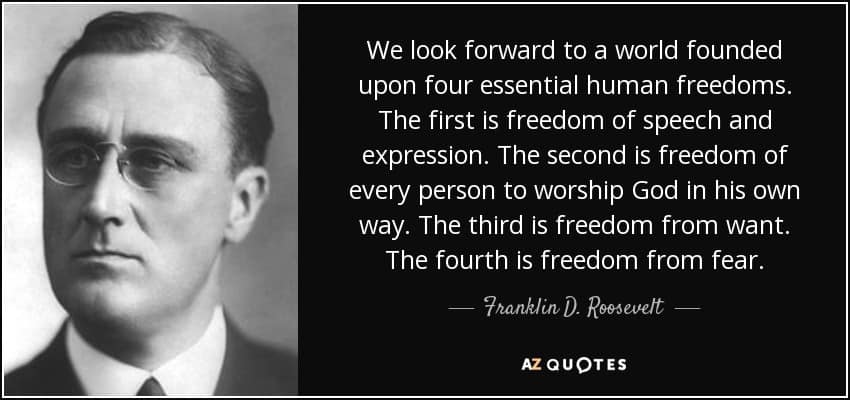
- Roosevelt signs the Lend-Lease Act, empowering the President to lend arms and other war material to any country deemed vital to U.S. interests. It is more or less an extension of formal and informal U.S. policy to aid Britain and the Allies without officially declaring war on the Axis
- The Office of Price Administration is established to control and stabilize prices during wartime
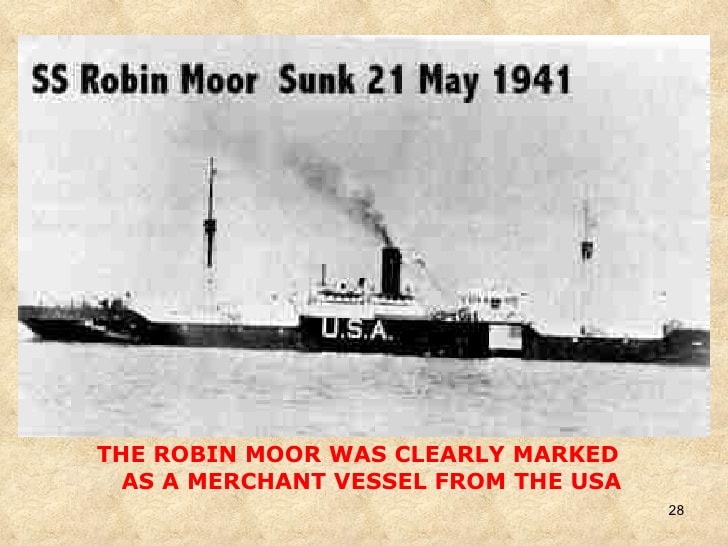
- An American merchant ship; Robin Moor, is sunk by a German U-boat off the coast of Brazil.
- Following German victories over Greece and Yugoslavia, Roosevelt issues a proclamation declaring unlimited national emergency.

GERMANY LAUNCHES DUAL INVASION OF GREECE AND YUGOSLAVIA
- Roosevelt orders the closing of all German consulates in the United States; Germany and Italy respond by closing all U.S. consulates in their countries.
- Knowing the U.S.S.R. was weakened by the war with Finland, Germany breaks the Nazi-Soviet Non-Aggression Pact of 1939 when it invades the U.S.S.R.
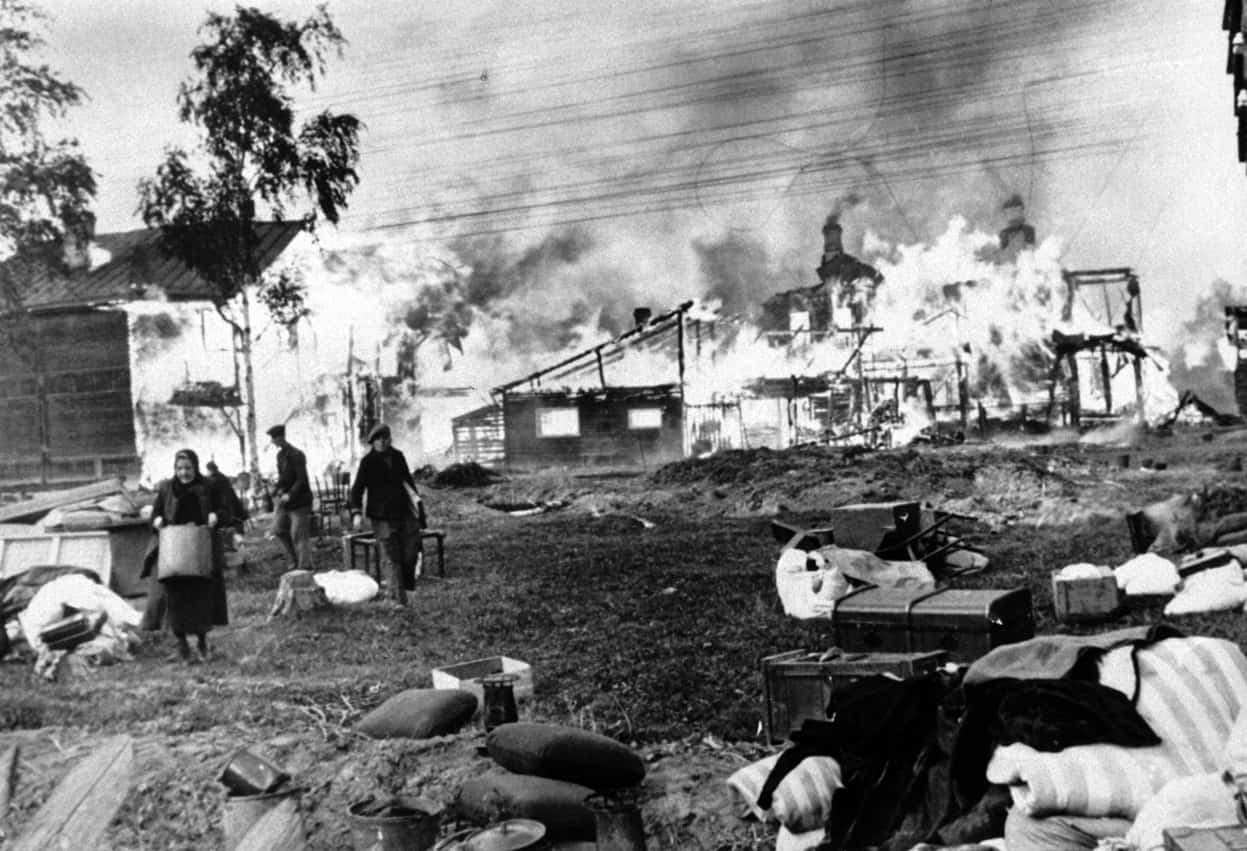
GERMAN INVASION OF RUSSIA
- After hesitating, Roosevelt promises U.S. aid to the Soviet Union.
- Roosevelt establishes the Fair Employment Practices Committee by executive order, preventing discrimination due to race, creed, or color in the hiring and treatment practices of the ever-growing defense industry.
- Roosevelt establishes the Office of Scientific Research and Development by executive order, which will coordinate the development of defense-related technology including radar, sonar, and early stages of atomic research.
- Roosevelt freezes all Japanese assets in the United States and halts all trade, as relations between the two countries continues to deteriorate.
- Roosevelt nationalizes the armed forces of the Philippines, a U.S. dependency at the time, and names General Douglas MacArthur commander in chief of all U.S. forces in the Far East.
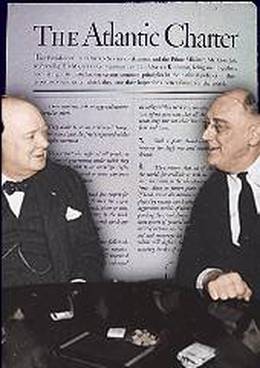
- After three days of secret meetings on U.S. and British warships off the coast of Newfoundland, Roosevelt and Churchill issue the Atlantic Charter. The document sets forth eight goals for the world
- In response to the growing number of attacks on U.S. ships, Roosevelt orders U.S. Navy planes to shoot on sight any Axis ships found operating in U.S. defensive waters.
- Fifteen other countries, including the U.S.S.R., endorse the maxims of The Atlantic Charter, which will serve as a blueprint, of sorts, for the United Nations.
- Hoover Tower is completed, housing the library founded by Hoover at Stanford University
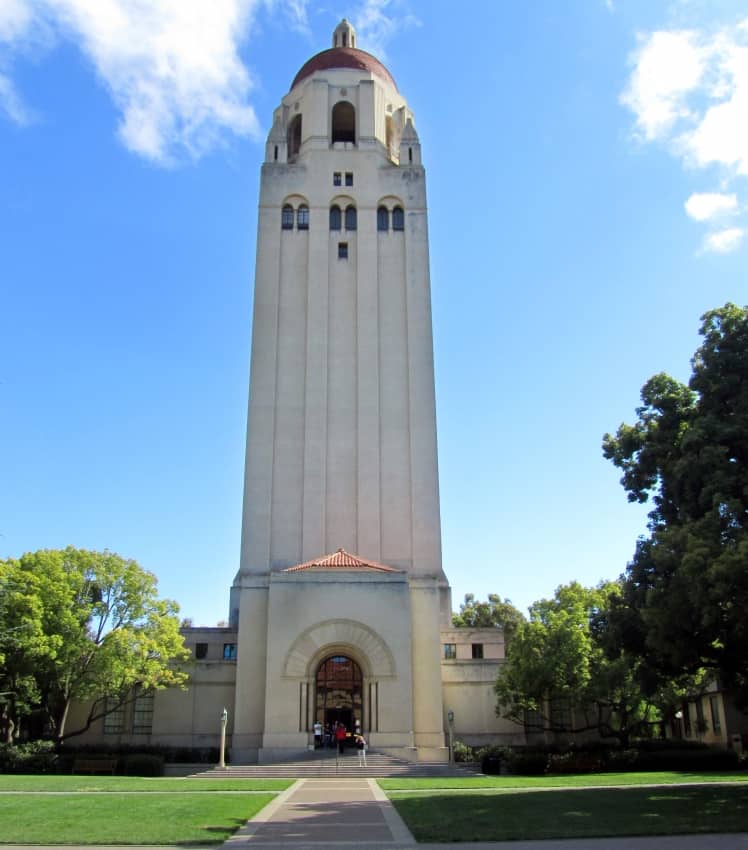
HOOVER TOWER
- Roosevelt signs the largest tax bill in American history, as the Revenue Act of 1941 provides for sharply increased taxes to collect more than $3 billion for the defense effort.
- A German U-boat torpedoes the U.S. destroyer; Kearney, which prompts Roosevelt to announce to the nation that America has been attacked, stopping short of declaring war on Germany, however, as many Americans are still reluctant to enter into open war… even after another U-boat sinks the destroyer Reuban James days later, killing 100 Americans

USS KEARNEY DESTROYER
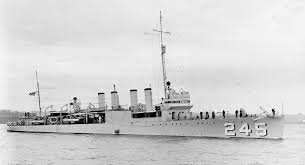
USS REUBAN JAMES
- Japan’s ambassador to the United States begins negotiations with the State Department in the nation’s capital. They propose that the United States remove the trade restrictions on Japan and refrain from involving itself with Japan’s activities in China, but Secretary of State Cordell Hull rejects these proposals, stating that the Japanese must first withdraw from China and Indochina before the trade restrictions can be lifted.
- Mount Rushmore is completed

MOUNT RUSHMORE 1941
- Japan declares war on U.S. after Japanese bombers attack Pearl Harbor, the major U.S. naval base in Hawaii.
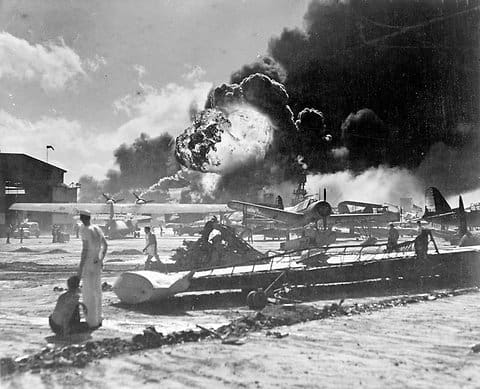

ATTACKS ON PEARL HARBOR
- Roosevelt appears before a special joint session of Congress, calling December 7th, “a date which will live in infamy” and asking for a declaration of war against Japan, Congress declares war on Japan the same day.
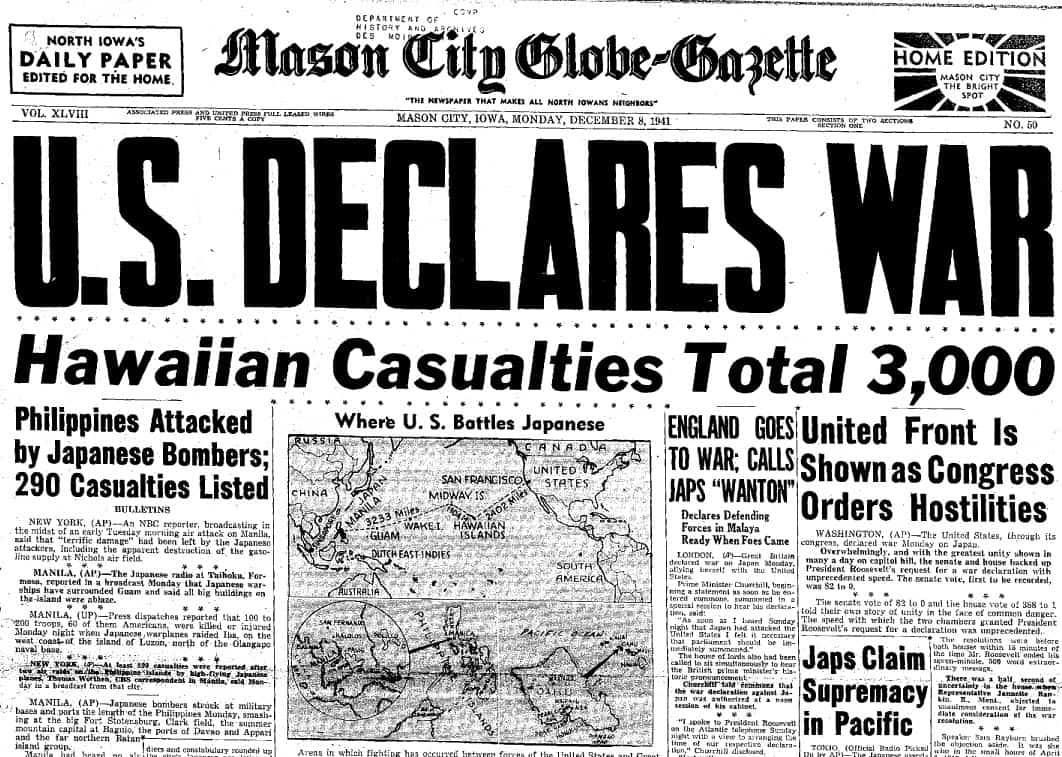
- Japan invades the Philippines, landing at Luzon.
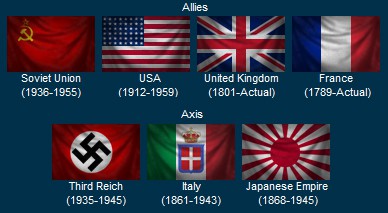
- Germany and Italy declare war on the United States; Congress, in turn, declares war on Germany and Italy.
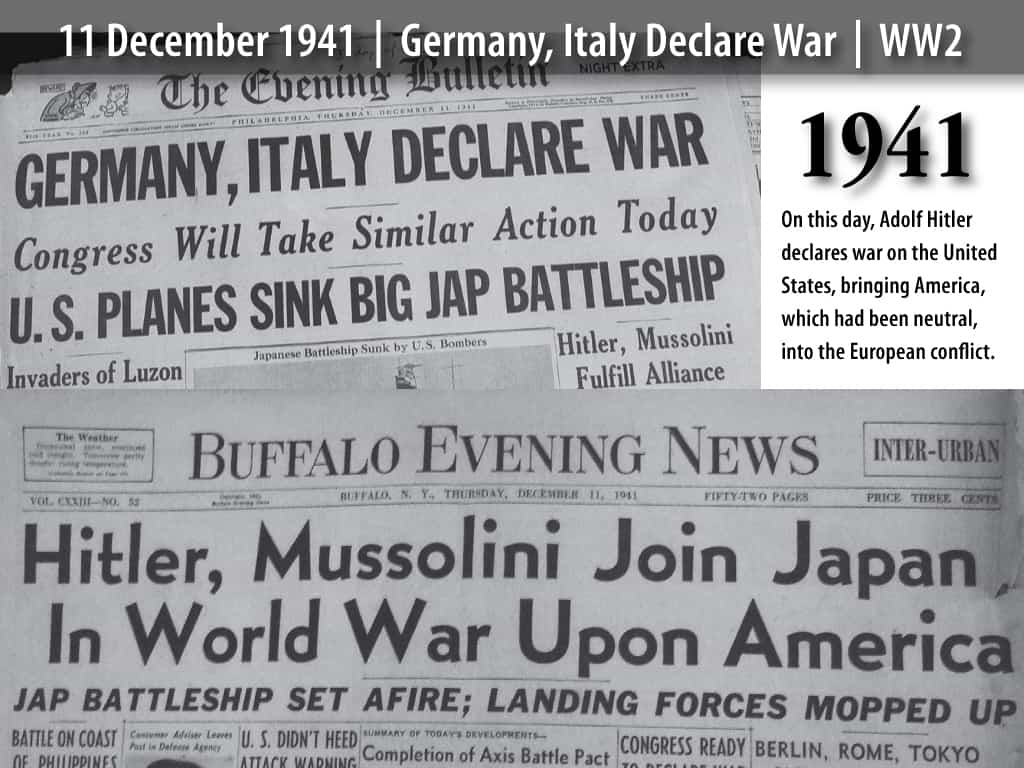
- In a show of support for the war effort, the executive council of the American Federation of Labor adopts a “no strike” policy for the duration of the conflict between the Axis and Allied Powers
- Admiral Chester Nimitz is given command of the Pacific fleet, replacing Admiral Husband Kimmel, who was found derelict in taking the necessary precautions for thwarting the attack on Pearl Harbor.
- Roosevelt establishes an executive order for the Office of Censorship, in order to control all matters involving information deemed vital to the war effort.
- The Office of Price Administration announces rubber rationing; beginning on New Year’s Day, the sale of new cars and trucks will be temporarily banned.
- Japan takes Wake Island, an American territory in the Pacific.
- Japan takes Hong Kong, a British colony.
1942;
- Representatives of twenty-six nations, including the United States, sign the Declaration of United Nations, affirming their cooperation against the Axis powers.
- Manila falls to the Japanese, forcing Philippine and U.S. forces under the command of General Douglas MacArthur to retreat to the Bataan Peninsula.
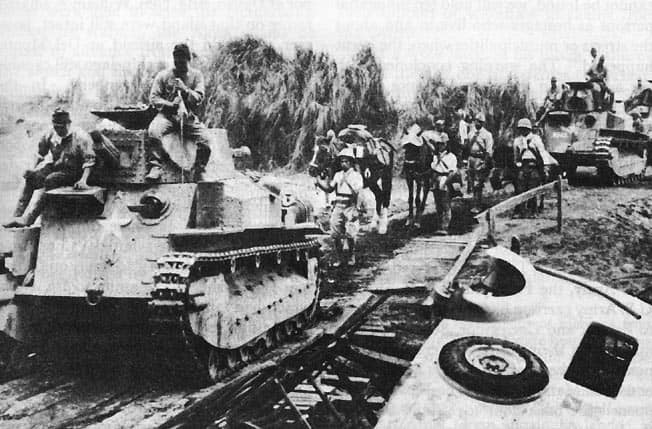
JAPAN ARMY HEADING TOWARDS MANILA
- Roosevelt issues an executive order creating the War Labor Board which is charged with maintaining the flow of war materials through the arbitration of labor disputes.
- Roosevelt issues a proclamation ordering all aliens in the U.S. to register with the federal government, primarily Italian, German, and Japanese immigrants, which are viewed suspicious, especially Japanese-Americans living on the West Coast.
- The Emergency Price Control Act goes into effect, authorizing the Office of Price Administration to place ceilings on all prices except those for agricultural products.
- The U.S. War Department announces that the United States and Britain have formed a combined chiefs of staff to coordinate their war efforts.
- Roosevelt authorizes a program to remove Japanese-Americans living in the Pacific Coast states to internment camps in Colorado, Utah, and Arkansas to be sure they will not provide aid to the enemy. Most Americans were undisturbed by the policy as some 100,000 people are “relocated” over the next month.
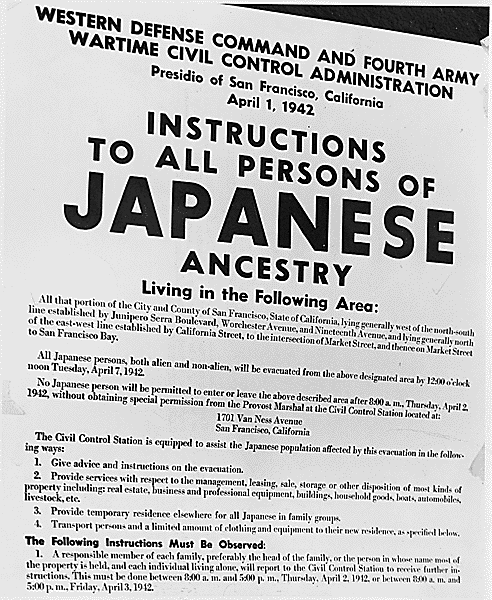
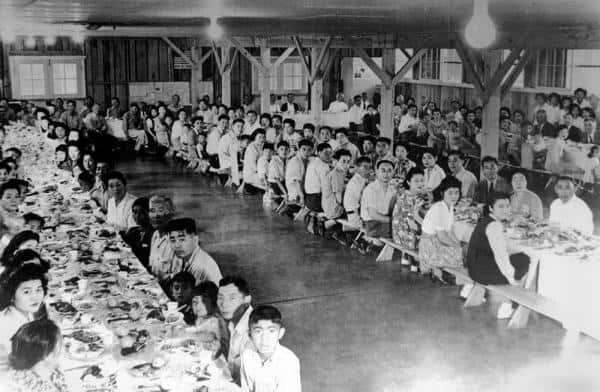
WWII INTERNMENT CAMP
- At the Battle of Java Sea, the Japanese Navy inflicts heavy losses on Allied forces.
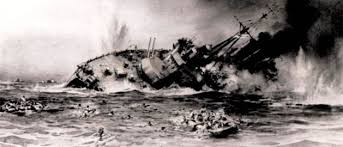
BATTLE OF JAVA SEA
- General MacArthur is forced to move his command base from the Philippines as Japanese forces approach. Before he leaves for Australia, he famously declares, “I shall return!”
- The 75,000 Philippine and American troops that remained to defend the island surrender to the Japanese on Bataan Peninsula. These men will be taken prisoner and forced to march one hundred miles to a prison camp; with poor rations and ill treatment, thousands will die on the so-called Bataan Death March.
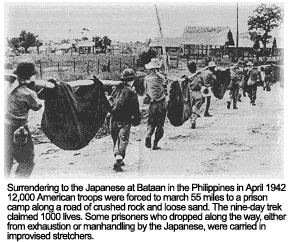
BATAAN DEATH MARCH
- Doolittle Raid takes place when Major General James Doolittle leads sixteen U.S. bombers in a surprise raid on Tokyo. Not only does the attack provide a morale boost for the Allies, it serves to divert Japanese defenses.
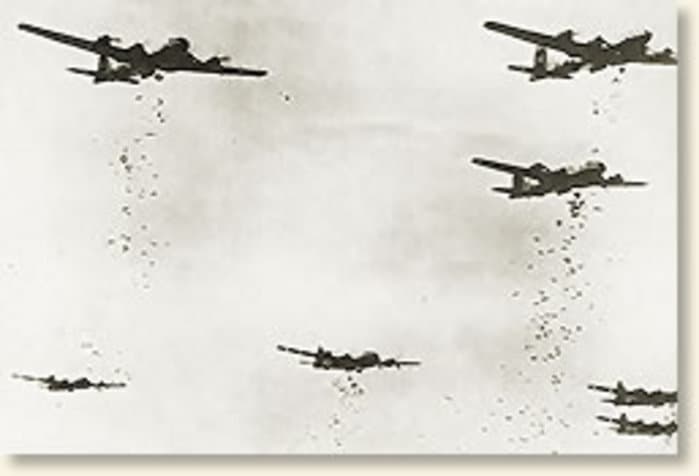
BOMBERS RAIDING ON TOKYO
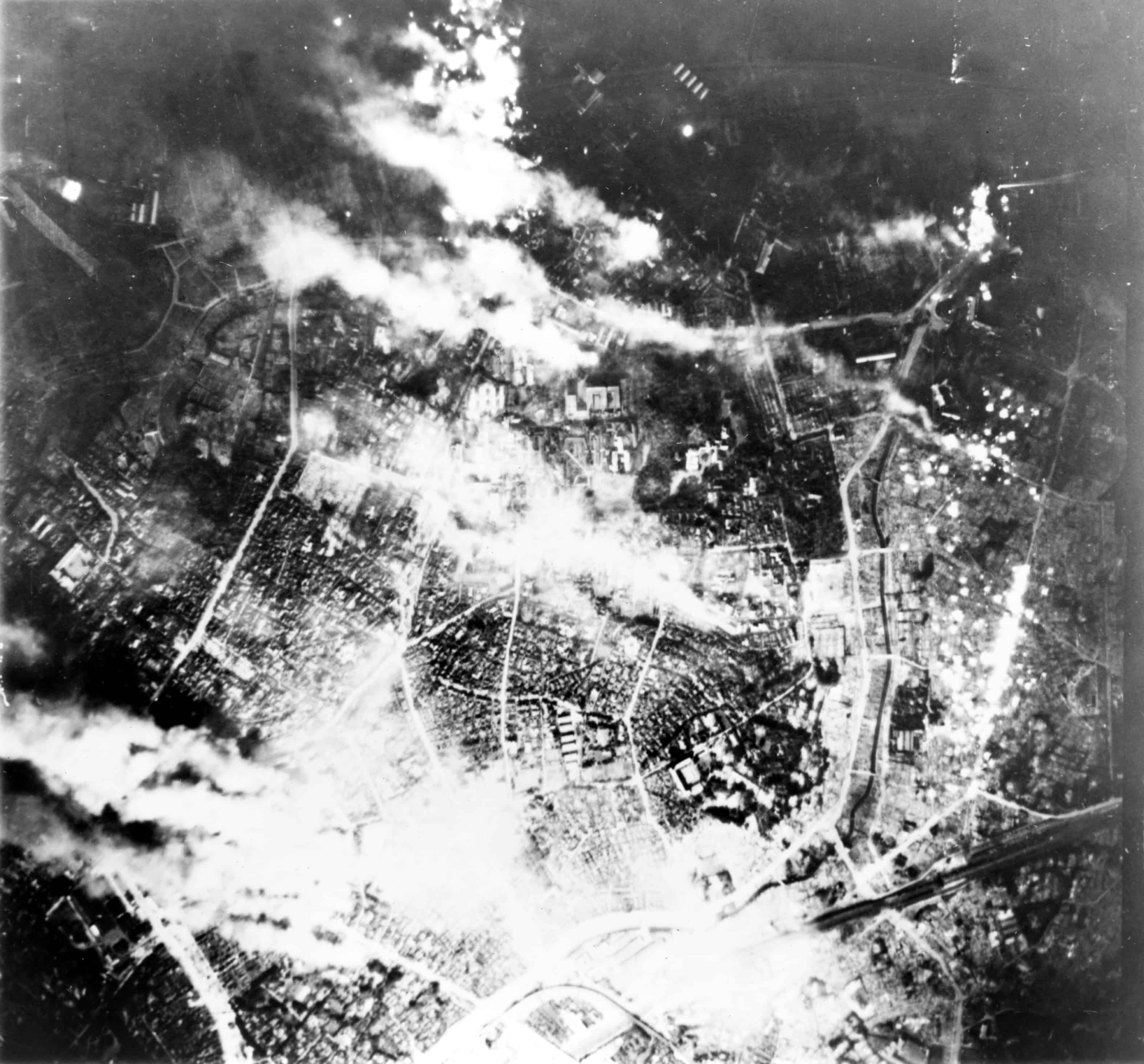
- A nightly “dim-out” or “black-out” goes into effect along a fifteen-mile strip of the Atlantic coast to counter German submarine activity in the area.
- The U.S. Navy inflicts heavy losses on the Japanese fleet in the Battle of the Coral Sea, becoming the first naval battle in history in which surface ships did not engage one another directly, with planes attacking each other and the ships.
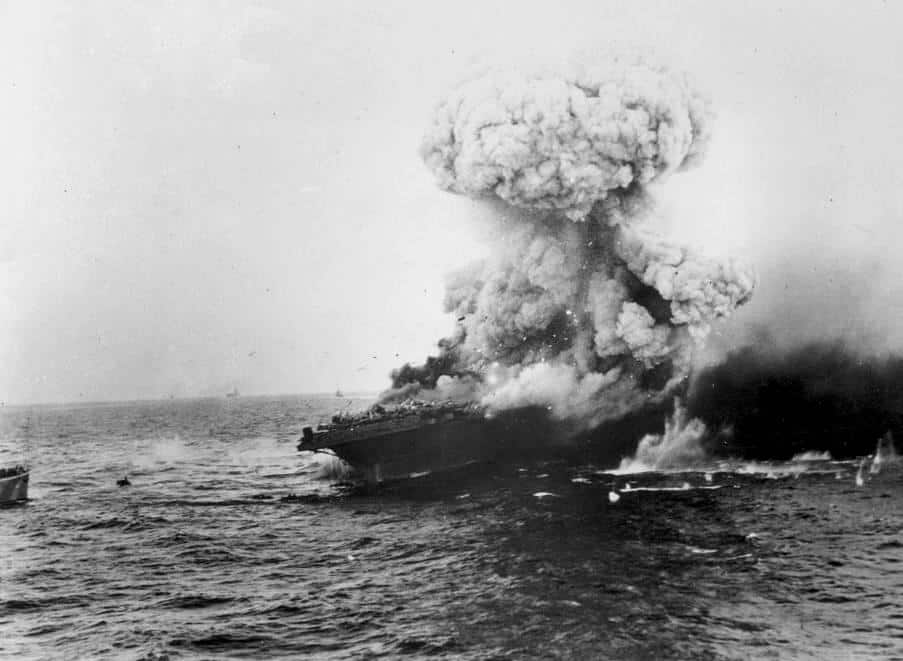
BATTLE OF CORAL SEA
- General Jonathan Wainwright is captured by the Japanese and forced to surrender Fort Corregidor and ask all U.S. forces in the Philippines to surrender as well.
CORREGIDOR ISLAND
- FDR signs the congressional act establishing the Women’s Auxiliary Army Corps. A similar group, known as the WAVES, will be assembled for the Navy
- Gasoline rationing goes into effect in seventeen states in the eastern United States
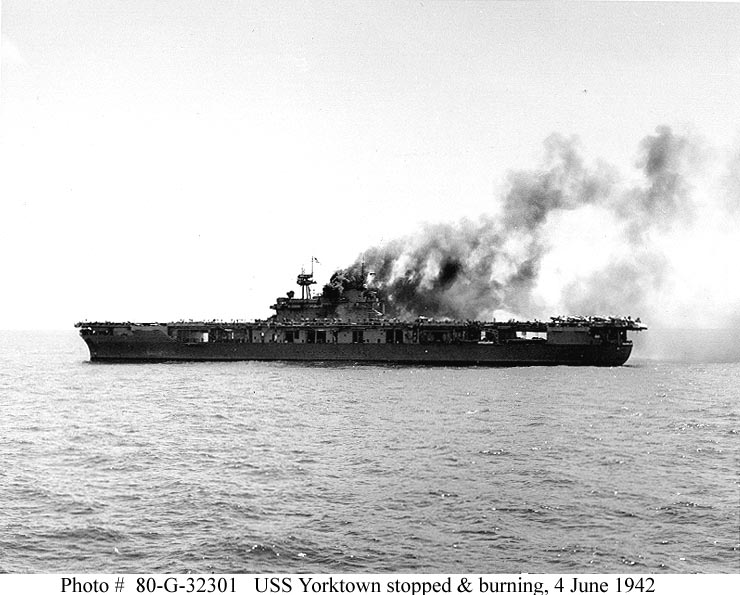
- At the Battle of Midway, the U.S. Navy loses the carrier Yorktown, but not before sinking four Japanese aircraft carriers. While the war is far from over, the victory at Midway establishes U.S. naval superiority as the Japanese also lose a significant number of their best pilots.

BATTLE OF MIDWAY
- Roosevelt issues an executive order, creating the Office of War Information to control the disclosure of official news and propaganda
- Americans join in a great nationwide drive to collect the increasingly rare rubber scraps essential to the war effort.
- Roosevelt meets with Churchill in Washington, D.C., to plan the invasion of North Africa.
- U.S. Marines land on Guadalcanal in the Solomon Islands in the Pacific. It is the first offensive in the long road to Tokyo.

USMC STORM GUADALCANAL
- The Germans, having won major gains in their offensive against Russia over the summer, launch a massive assault on Stalingrad in an effort to complete the conquest.
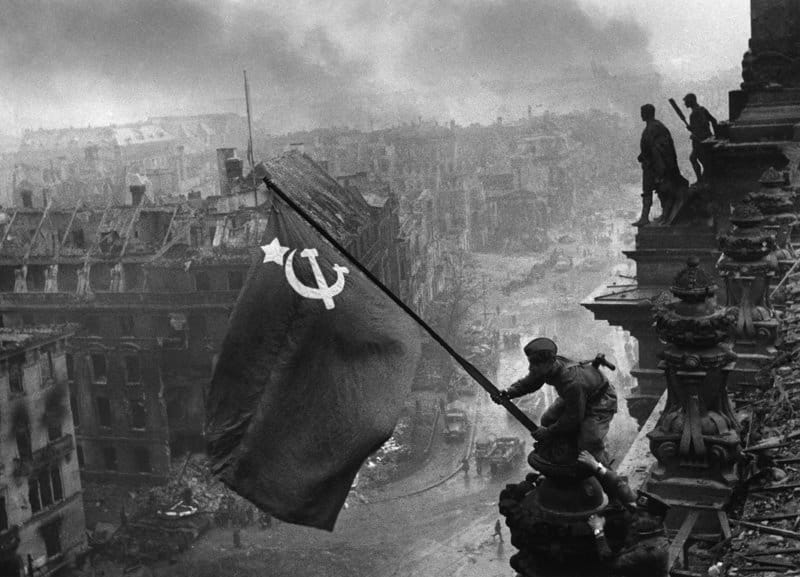
BATTLE OF STALINGRAD
- The United States are forced to purchase Mexico’s entire rubber supply for the next four years.
- The Revenue Act of 1942 is passed, calling for taxes to be increased by $9 billion; included is the so-called Victory Tax, a five-percent tax on all income over $624, in effect until the war’s end.
- Operation Torch starts as 400K Allied troops land in Morocco and Algeria, under the command of General Dwight D. Eisenhower, the newly appointed commander of U.S. forces in the European theater. I will give an honorable mention to General Patton here as well, he would have probably been appointed that role if he did things by the book.
- Scientists at the University of Chicago demonstrate the first sustained nuclear chain reaction.
- Germans find themselves overextended and mired in the mud and harsh cold of winter; it marks the turning point on the Eastern Front.
1943;
- At the Casablanca Conference in Morocco, Roosevelt, Churchill, and other Allied representatives agree on how they will establish themselves in closing the war, the routes they will take, and that they will demand the Axis powers surrender unconditionally
- The first all-American bombing raid on Germany takes place on Wilhelmshaven.
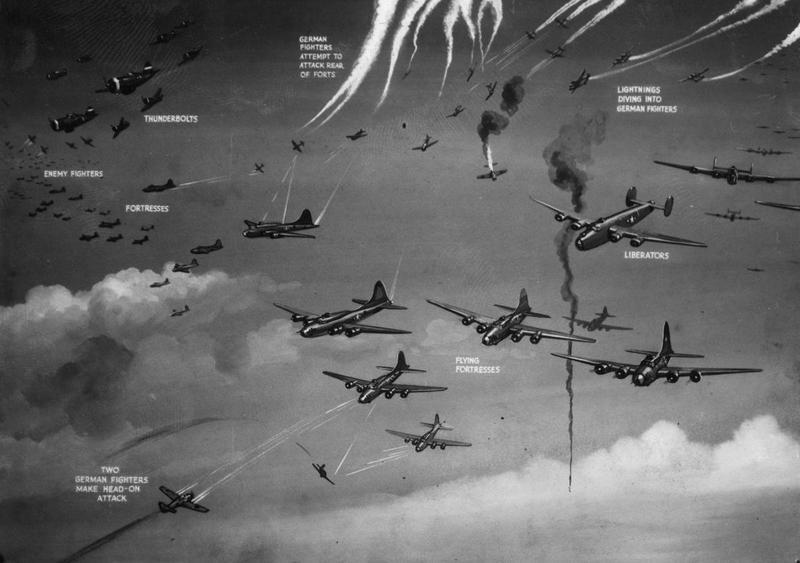
WILHELMSHAVEN RAID
- In effort to make resources last, the U.S. established a temporary rationing program for shoes, canned goods, meats, fats and cheese. Coupons were required to get them
- Memorial is dedicated to Thomas Jefferson in Washington D.C.

THOMAS JEFFERSON MEMORIAL
- At the Battle of the Bismarck Sea off New Guinea, U.S. and Australian planes score a major victory in the Pacific.
JAPANESE TRANSPORTER UNDER AERIAL ATTACK IN BISMARCK SEA
- Roosevelt freezes prices, wages, and salaries in an effort to stem inflation.
- Allied forces remove the Axis from North Africa through the forced surrender of German and Italian commanders.
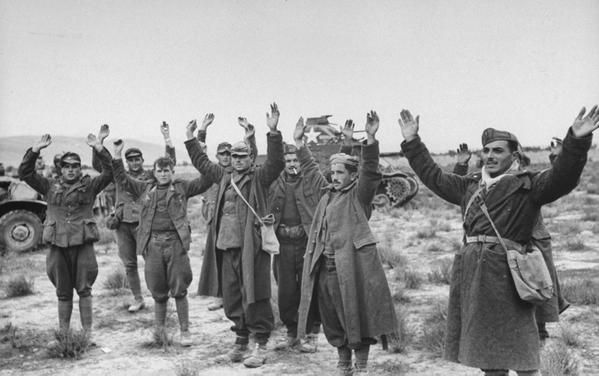
ITALIAN TROOPS SURRENDER NORTH AFRICA
- At the Trident Conference in Washington, D.C., Churchill, Roosevelt, and their top military planners meet and formulate a general strategy for the planned invasions of Europe
- German troops in Poland finally subdue an uprising by Jews in the Warsaw ghetto that had begun the previous month.
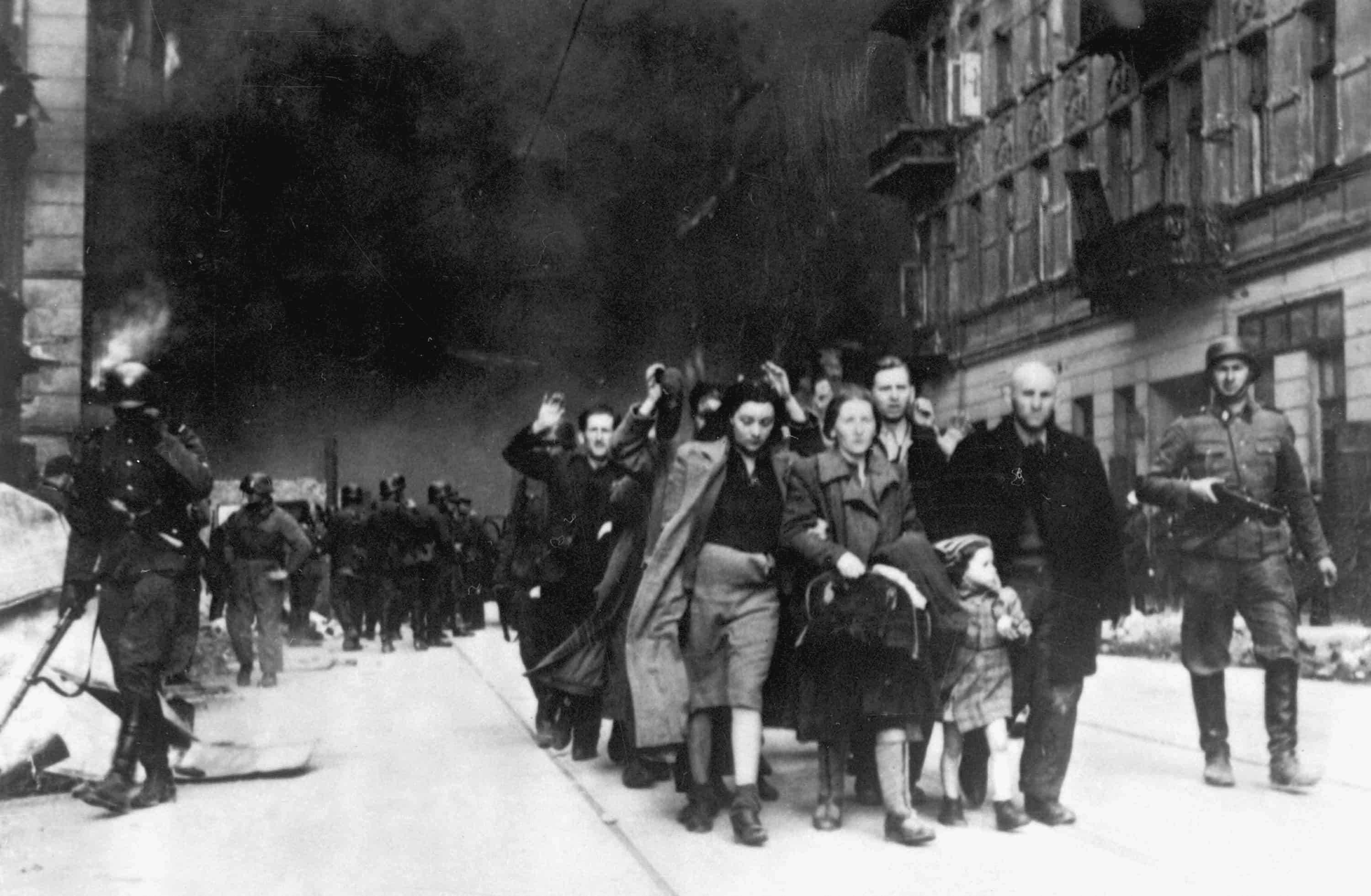
WARSAW GHETTO UPRISING CONTROLLED BY GERMANS
- Roosevelt issues an executive order establishing the Office of War Mobilization to coordinate the nation’s efforts at home. He also orders that all government contracts with private industries forbid racial discrimination.
- The Current Tax Payment Act goes into effect, introducing the withholding of federal income taxes on wages and salaries
- The Supreme Court rules in West Virginia Board of Education v. Bernette that it is unconstitutional for a state to require children to salute the flag if doing so counters their religious beliefs.
- In Detroit, Michigan, whites protesting the employment of blacks in formerly “white-only” jobs start the Detroit race riot that leads to two days of rampage, leaving thirty-four dead before federal troops intervene.
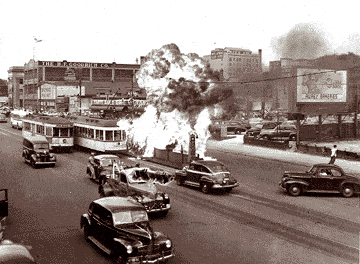
DETROIT RACE RIOTS
- Germans launch a massive attack on the Russian city of Kursk, becoming the largest tank battle in history and the German’s last significant effort at conquering the U.S.S.R.

PANZERS MOVING IN ON KURSK
- Allied forces invade Sicily

AMERICAN CARGO SHIP CARRYING MUNITIONS IS HIT BY A BOMB FROM A GERMAN PLANE
- Three days after dropping leaflets urging the Italian people to surrender, 500 U.S. bombers carry out an air raid on Rome. The city had previously been spared because of its unique historical, religious, and artistic significance.
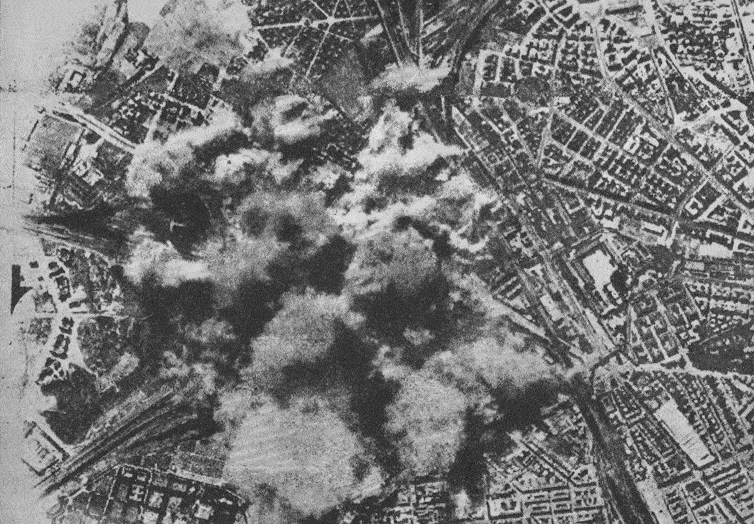
BOMBING OF ROME
- King Victor Emmanuel of Italy forces Benito Mussolini to resign after more than two decade, effectively ending Italy’s role as an Axis power.
- After Allies invades, Italy surrenders unconditionally, despite German troops still pouring in to fight
- At the Quadrant Conference in Quebec, Roosevelt, Churchill and others agree on, among other items, a plan for the invasion of France, set for the spring of 1944.
- In Moscow, the foreign ministers of the U.S.S.R., Britain, and the United States, along with the Chinese ambassador to Russia, meet to discuss matters relating to the end of the war. They will issue a statement declaring their intentions to treat the Axis powers fairly once the war is over, and to create an international organization for peace.
- Roosevelt, Churchill, and Generalissimo Chiang Kai-shek meet at the Sextant Conference in Cairo, Egypt, and demand the unconditional surrender of Japan according to the following terms: it must restore Chinese territory; give Korea its independence; and give up all Pacific islands seized after 1914.
- Flying from Cairo, Roosevelt and Churchill meet Joseph Stalin at the Tehran Conference in Iran. The first ever meeting of the “Big Three” leaders is to settle the timing of the invasion of Europe.

TEHRAN CONFERENCE
- Congress repeals the Chinese Exclusion Acts passed during the late- nineteenth and early-twentieth centuries which banned Chinese immigration to the United States.
- Roosevelt announces in his end-of-the-year radio address that General Eisenhower will be Supreme Commander of the forces that will soon invade Europe.
1944;
- U.S. forces invade the Marshall Islands in the Pacific
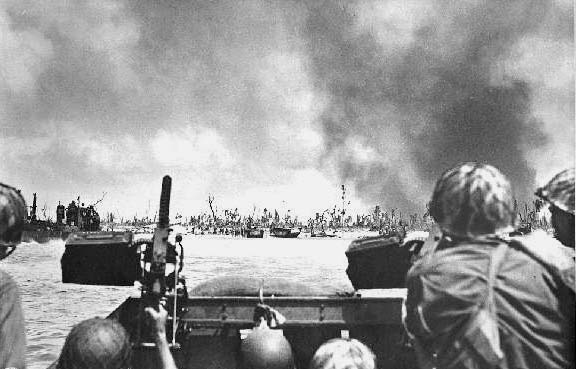
MARSHALL ISLANDS
- The United States suffers heavy losses during The Big Week of massive air raids on German aircraft production that significantly weakens Germany’s air capacity
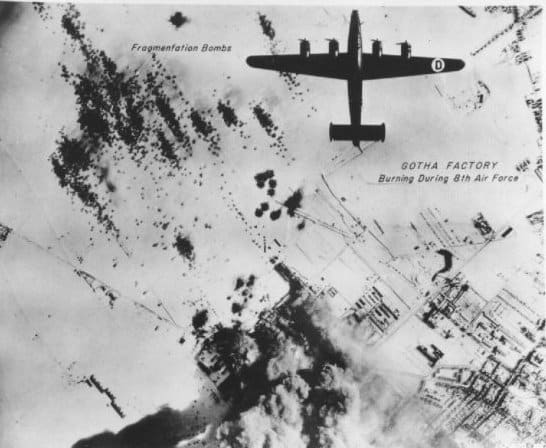
“BIG WEEK” BOMBING

- Congress approves a joint resolution appropriating up to $1.35 billion for the United Nations Relief and Rehabilitation Agency, looking toward postwar efforts to aid the millions of people devastated by the war.
- The Supreme Court makes a ruling in Smith v. Allwright, that the white-only primary, sponsored by the Democratic Party in Texas, is unconstitutional.
- Allied forces enter Rome after German troops evacuate the city in retreat
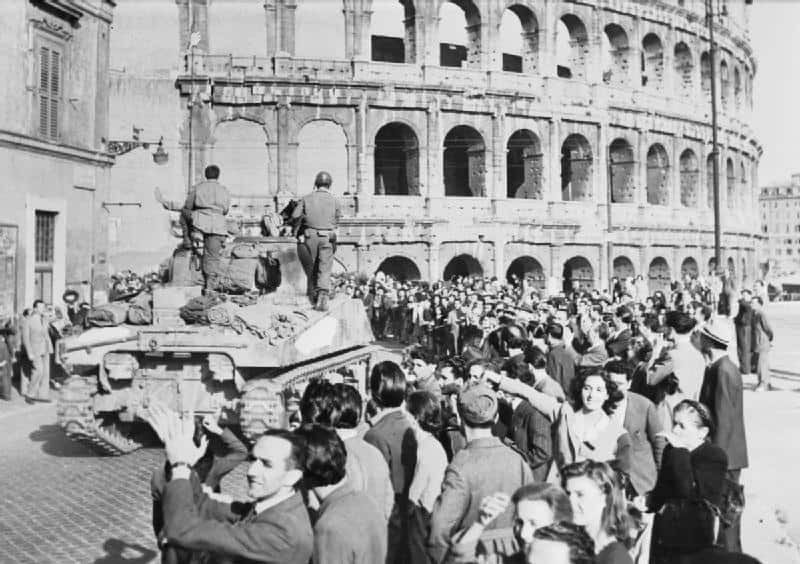
ALLY TANK AND TROOPS ARE CHEERED PASSING THROUGH ROME
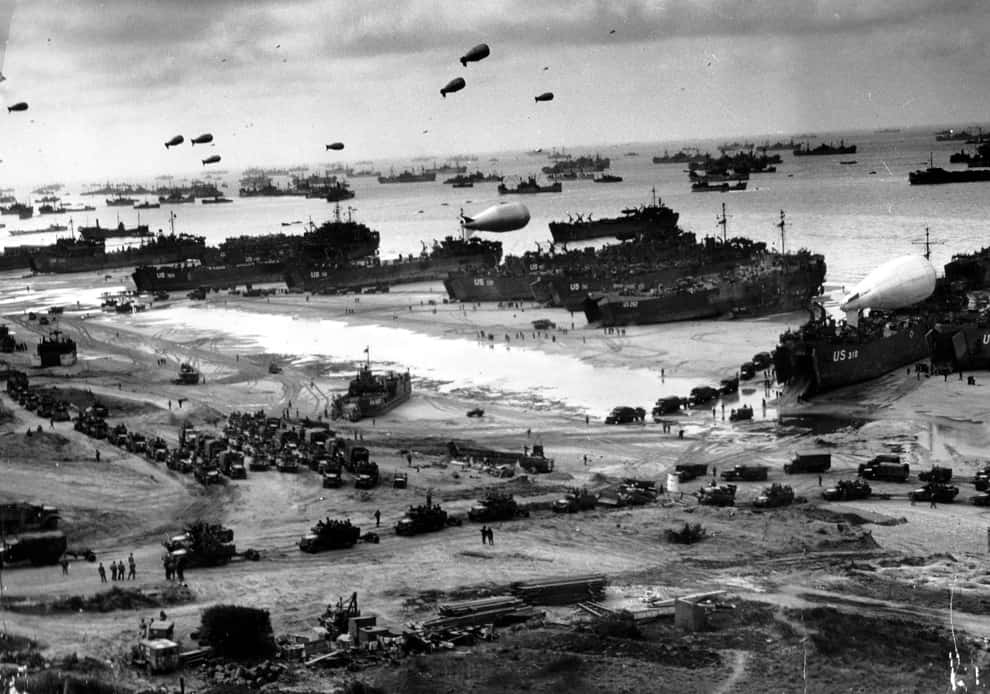
- On “D-Day,” Operation Overlord begins just after midnight, with some 4,000 invasion ships, 600 warships, 10,000 planes, and about 176,000 Allied troops. The invasion of the continent takes place at a series of beaches in Normandy. By the end of the day, and despite heavy casualties, around 150,000 Allied troops have safely reached the beach and are dug in
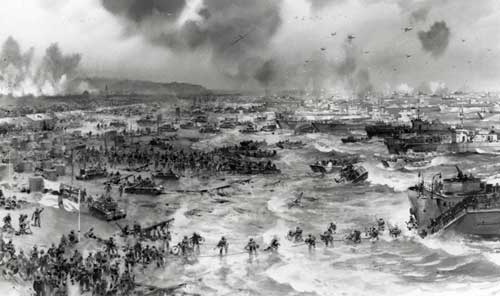
D-DAY LANDING
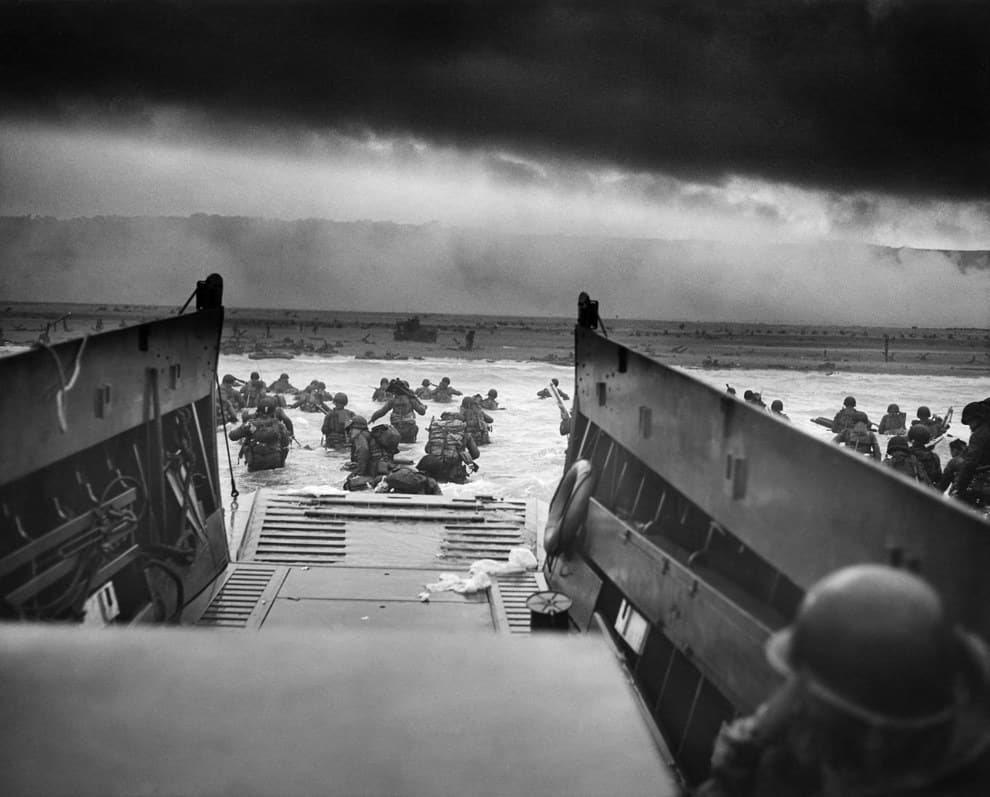
D-DAY LANDING
- The Germans make use of the first V-1 flying bombs, jet-propelled pilotless bombs launched from France and Belgium toward Britain; only one of these “buzz bombs” reaches London
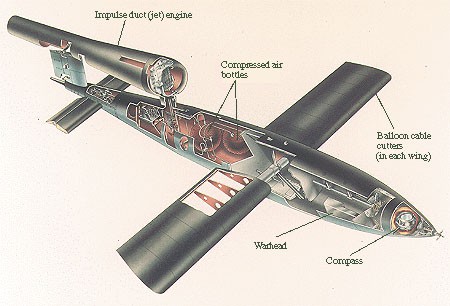
ANATOMY OF THE GERMAN V-1 BUZZ BOMB
- The B-29 Superfortresses, based in China, begin the first air raids on the Japanese main island.

B-29 RAID ON JAPAN
- In the Battle of the Philippine Sea, the United States wins one of the more decisive air-naval battles of the war as the Japanese lose at least 400 planes and three carriers.
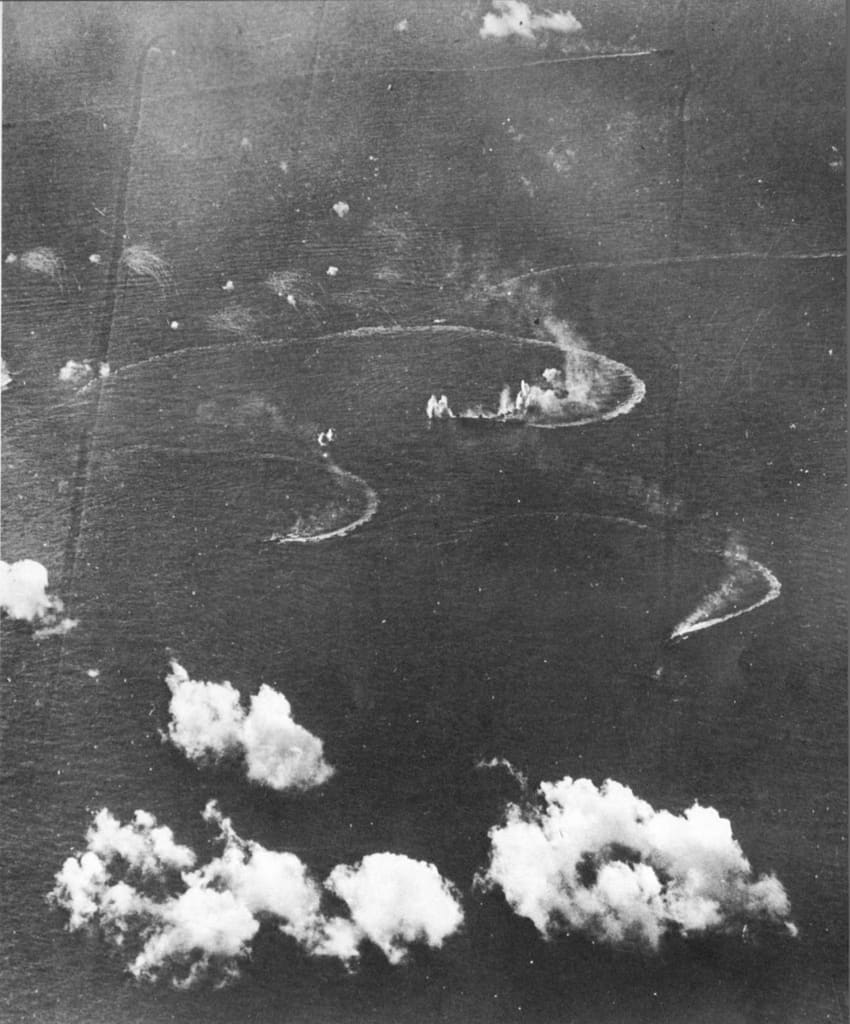
BATTLE OF THE PHILLIPINE SEA
- Roosevelt signs the Servicemen’s Readjustment Act, which provides financial aid to veterans for education, housing, and other needs; it will be widely known as the G. I. Bill of Rights
- U.S. forces take Saipan
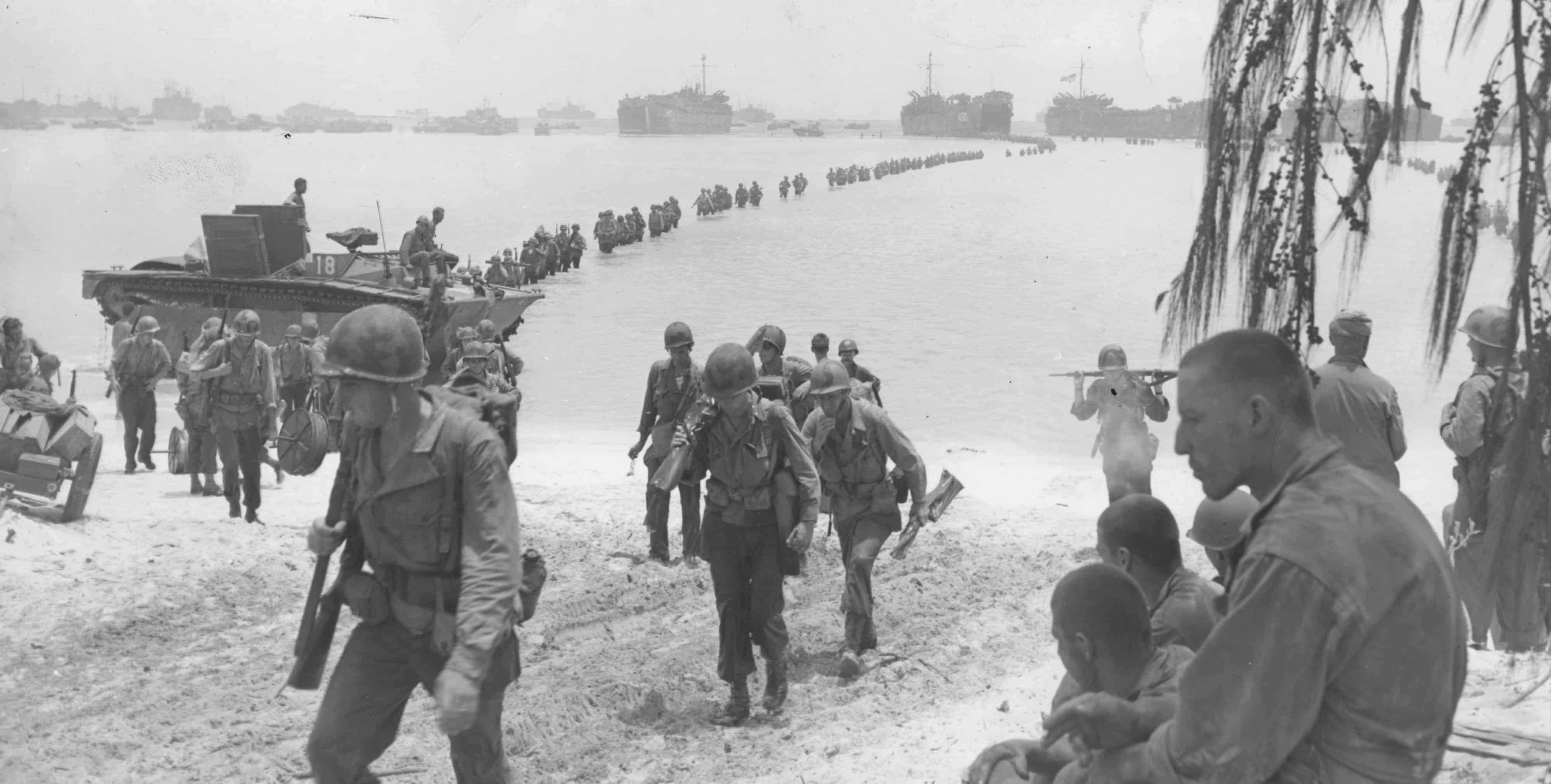
U.S. TROOPS LAND IN SAIPAN
- Representatives from forty-four nations meet for a monetary and financial conference. They agree to establish an International Money Fund and an International Bank for Reconstruction and Development, also known as the World Bank.
- In a failed assassination attempt, a bomb explodes near Hitler in his headquarters in East Prussia, leaving him relatively unscathed but psychologically shaken and increasingly paranoid. Before the day is over, several high-level officers and politicians will be executed for their role–active or merely alleged–in the conspiracy

NAZI OFFICER SENT TO FIRING SQUAD
- U.S. forces under General Omar Bradley begin Operation Cobra, a coordinated offensive to cut off German forces in Brittany and collapse the German defensive line in northwestern Germany.
- The Battle of Guam is won by U.S. forces after twenty days of fighting.

MARINES IN GUAM
- The War Production Board allows the resumption of various consumer goods, such as vacuums, electric ranges, and cooking utensils
- The Dumbarton Oaks Conference begins in Washington, D.C., attended by representatives of the United States, Britain, China, and the U.S.S.R. It lays the groundwork for the United Nations
- Allied forces liberate Paris, France
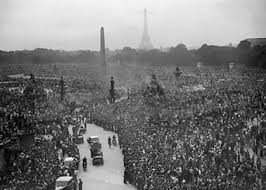
LIBERATION OF FRANCE
- The first of the German V-2 rockets land in England; they are much faster and more powerful than the V-1 rockets
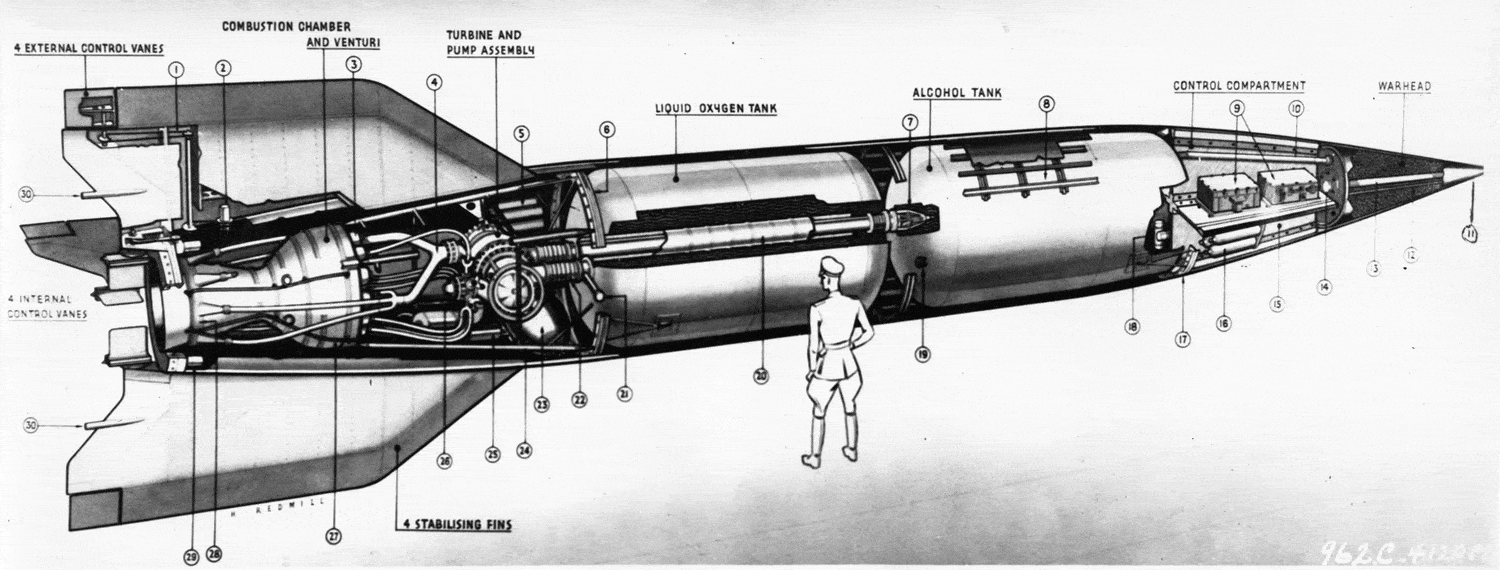
ANATOMY OF THE GERMAN V-2 ROCKET
- At the Octagon Conference in Quebec, Roosevelt and Churchill discuss strategies for pursuing the Germans and Japanese and their treatment following the war
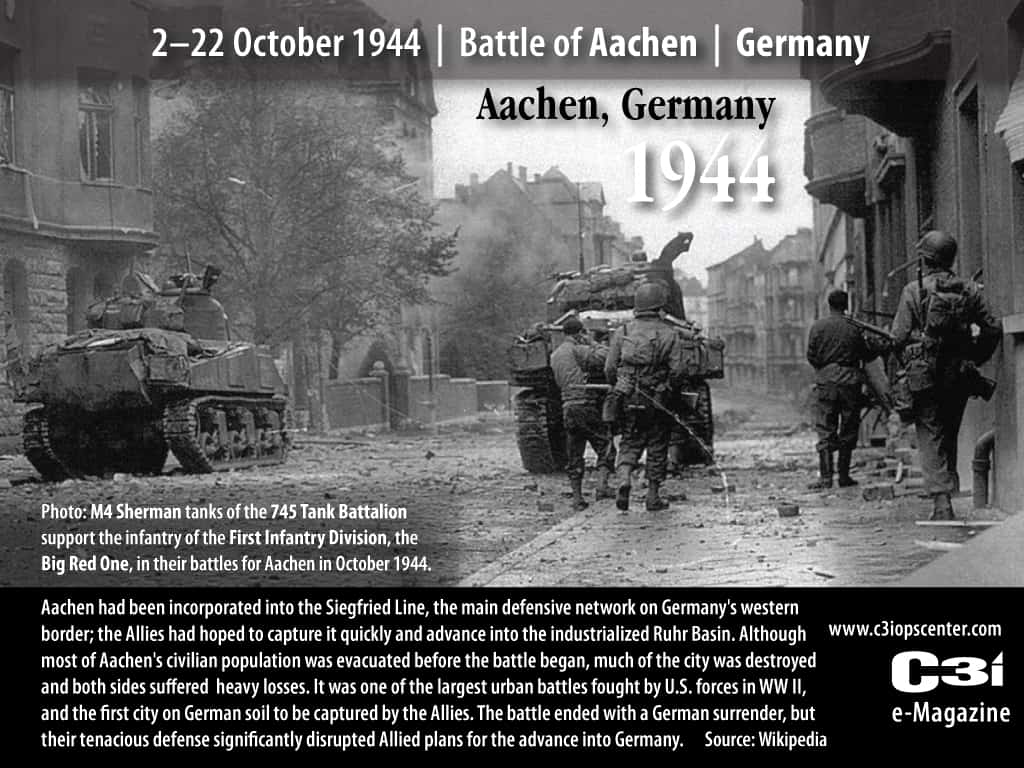
- American forces engage German troops on German soil in the Battle of Aachen
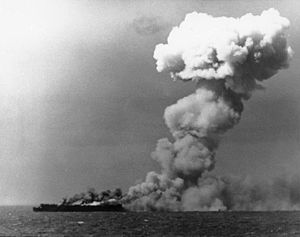
- U.S. forces invade Leyte Island in the Philippines. They are led by General MacArthur, who broadcasts to the Philippine people that he has fulfilled his promise of returning to the country.
- Germany launches its final offensive of the war, counterattacking Allied defenses in the Ardennes Forest in an engagement known as the Battle of the Bulge
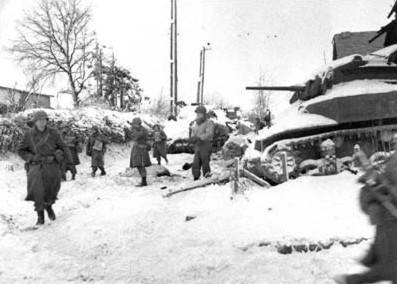
BATTLE OF THE BULGE
- Despite efforts by the federal government to control wages and prices, the cost of living registers a 30-percent increase since the United States formally entered the war
1945;
- Roosevelt wins an unprecidented 4th term, Harry S. Truman is his new VP
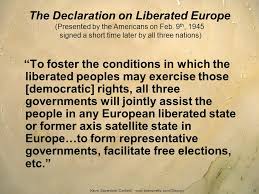
- At the Yalta Conference in the Crimea, Roosevelt, Churchill, and Stalin meet to discuss the final assault on Germany and the treatment of that country following the war. They sign a “Declaration on Liberated Europe,” discuss the providing for democratic governance of European nations, and agree to meet in San Francisco that April to establish an international peace organization
- U.S. troops complete the capture of Manila, the capital of the Philippine islands

BATTLE OF MANILA
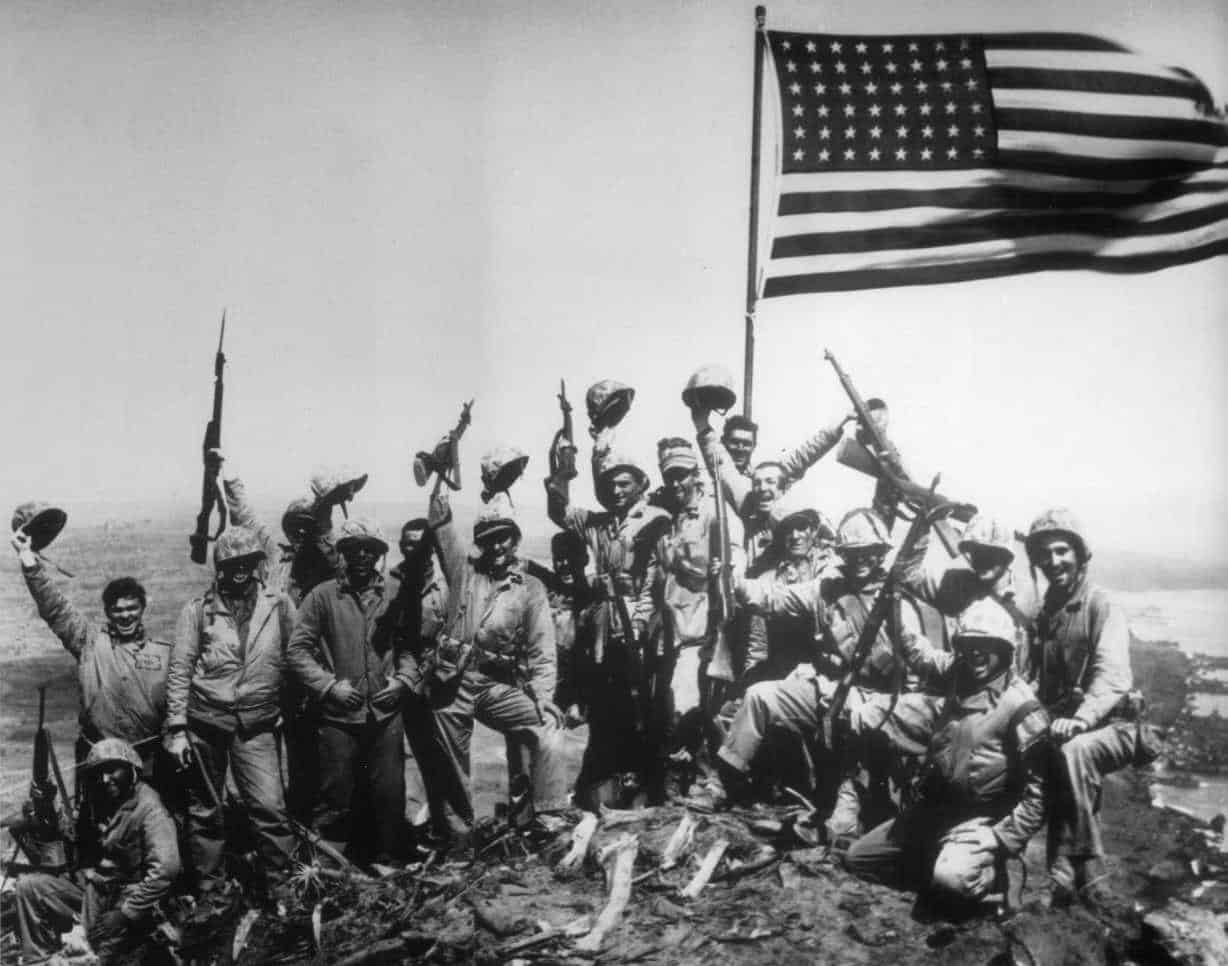
- In one of the hardest-fought battles of the war, U.S. Marines capture the island of Iwo Jima.

CAPTURE OF IWO-JIMA
- Nearing the mainland islands of Japan, the U.S. Army wins a fierce battle to capture the island of Okinawa.
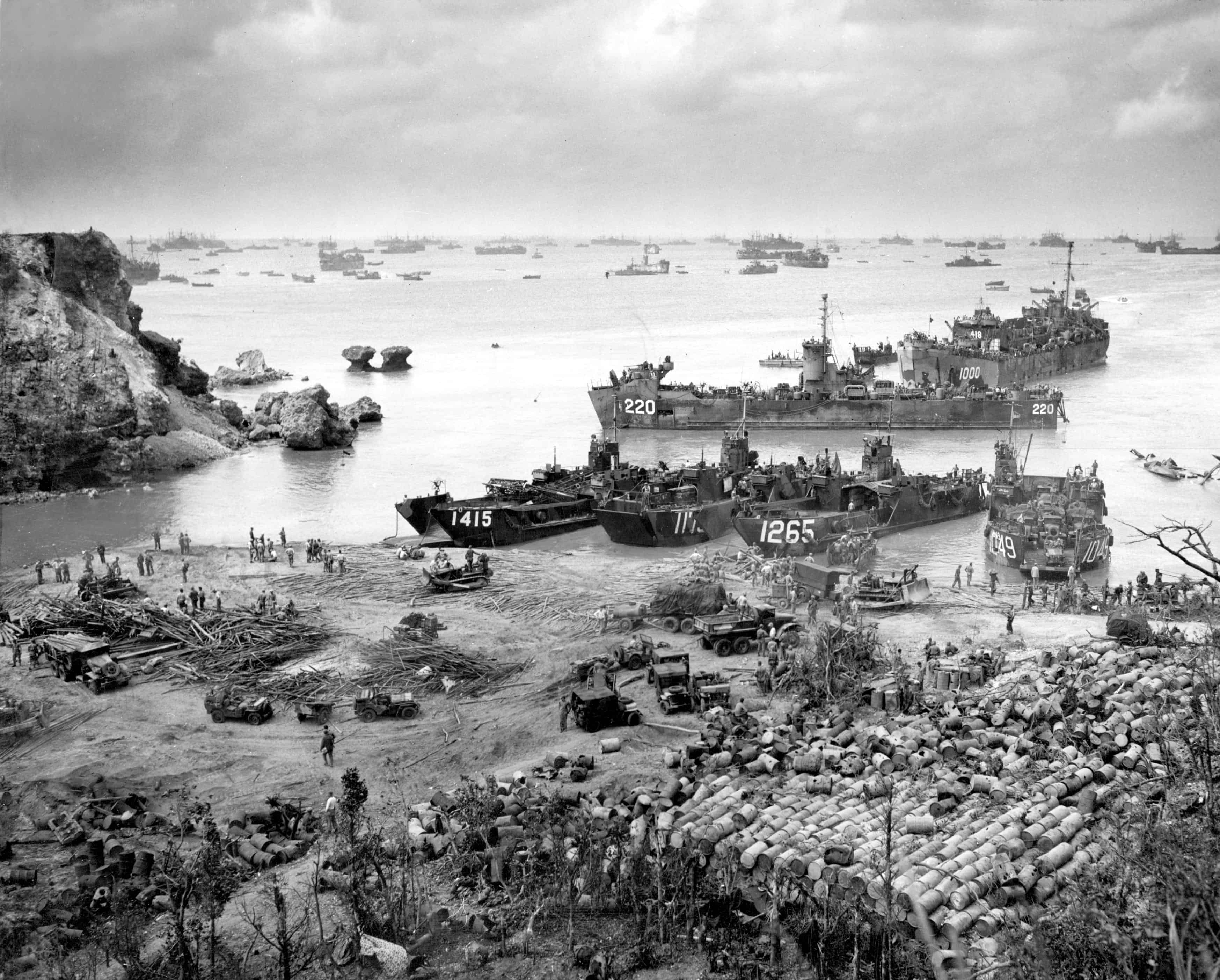
BATTLE OF OKINAWA
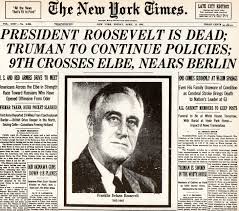
- While vacationing in Warm Springs, Georgia, President Franklin D. Roosevelt dies following a massive cerebral hemorrhage. Vice President Harry S. Truman is immediately sworn in, becoming the thirty-fourth President of the United States.
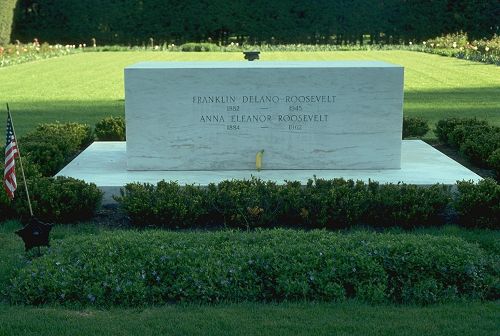
- Roosevelt is laid to rest in Hyde Park, NY
Famous quotes
“The only thing we have to fear is fear itself”
“Men are not prisoners of fate, but only prisoners of their own minds.”
“A nation that destroys its soils destroys itself. Forests are the lungs of our land, purifying the air and giving fresh strength to our people.“


