#16 Abraham Lincoln- The Great Emancipator

2/12/1809 – 4/15/1865
Party: Republican
Timeline; 1861-1865
Lincoln lived a quiet life working various traits. He volunteered in the Illinois Mafia and shortly after was elected captain in the Black Hawk War (1832). After the war he aspired to be a legislator but kept falling short, although he did hold a position on the Illinois House of Representatives (1834-1842) he also studied law where he passed his bar exam (1836) and started practicing. While working in the legal field, he worked for the Illinois Central Railroad (and sued them for his pay) as well as handled many other cases for other railroads, banks, insurance companies, and manufacturing firms. He also served on the U.S house of representatives (1847-1849). One of his finest accomplishments that helped solidify his fame as a lawyer was saving the Rock Island Bridge (1857) from the threat of the Mississippi river transportation interests, that demanded the bridge’s removal. Lincoln led the United States through its Civil War, which was its bloodiest and an event often considered its greatest moral, constitutional, and political crisis. In doing so, he preserved the Union, abolished slavery, strengthened the federal government, and modernized the economy. His administration setup the Confiscation Acts through the war (1861-1864) liberating slaves in seceded states.
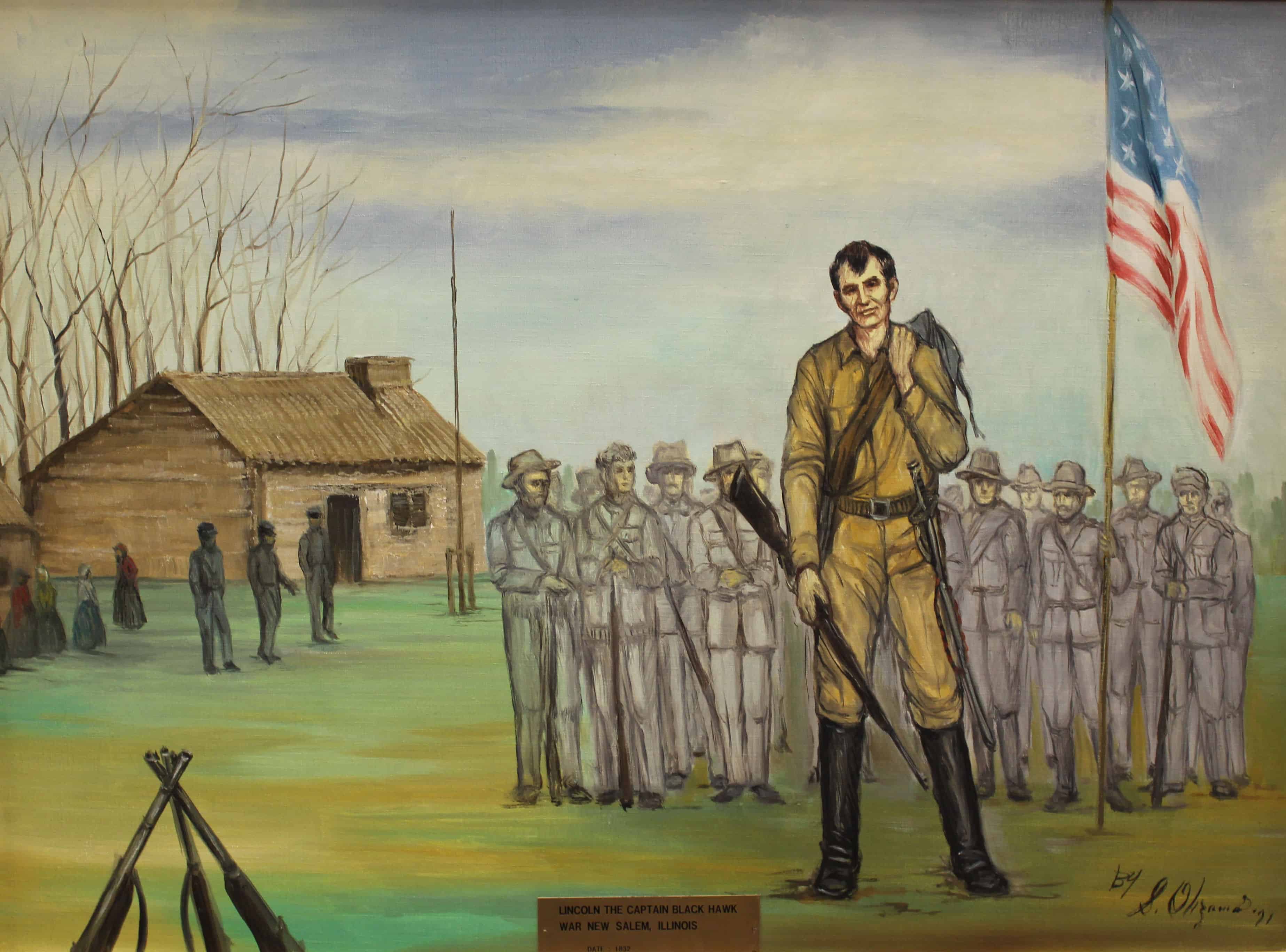
LINCOLN PAINTING (BLACK HAWK WAR)
1861;
- Lincoln becomes the 16th President of the United States at the age of 52. Hannibal Hamlin was his Vice President.
- The Confederate Congress unanimously adopt the Confederate Constitution
- Jefferson Davis wanted Fort Sumter surrendered to the Confederacy since it was on South land. Negotiations failed
- Confederate President Davis orders General P.G.T. Beauregard to open fire on federal
arsenal in response to Lincoln trying to resupply Fort Sumter; one of the last federal stations remaining in the South. - Lincoln calls for 70+ thousand volunteers to join the U.S. Army as militia men against the rebellion
- Lincoln declares an insurrection, marking the beginning of the bloodiest war in America history; The U.S. Civil War
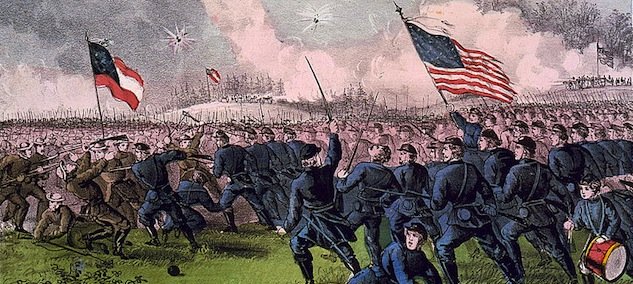
CIVIL WAR
- In response to Lincoln’s decision to use force in South Carolina, Virginia secedes from the Union
- Lincoln orders a blockade of Confederate ports to disrupt the importation of supplies to the Confederacy
- Arkansas secedes from the Union
- House of Representatives pass the Morrill Tariff Act to help pay for the war
- North Carolina secedes from the Union
- The capital of the Confederacy moves from Montgomery, Alabama to Richmond, Virginia since Virginia had the higher population
- Tennessee secedes from the Union
- The Battle of Bull Run takes place near Manassas, Virginia. Confederate General Beauregard defeats the Union forces under General Irvin McDowell.
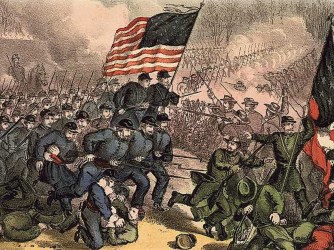
BATTLE OF BULL RUN
- Confederate General Thomas J. Jackson receives the nickname “Stonewall” here, after his firm stand during the battle. The Stars and Bars flag was confused with the Union flag during battle which inspired the Confederacy to create a new Battle Flag.
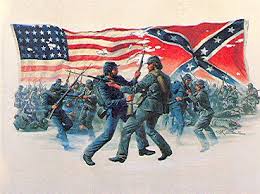
NEW BATTLE FLAG OF CONFEDERACY
- Union offers $100 bonus to volunteers offering two years of service to the U.S. Army
- General Winfield Scott retires as head of the Union army, Lincoln promotes General George B. McClellan
1862;
- Lincoln loses his son William Wallace Lincoln to typhoid fever
- The Virginia (formerly Merrimack) gunship battles the Union’s Monitor to a stand off, but eventually the Union establishes Naval superiority and gets the Confederates to abandon Norfolk
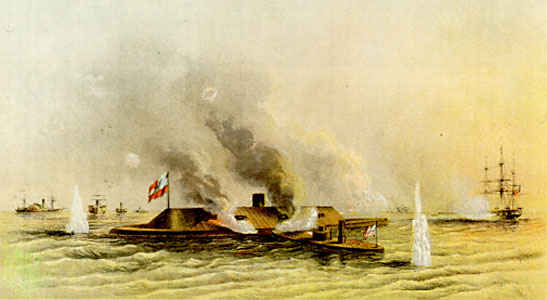
MERRIMACK VS MONITOR
- Secretary of the treasury under Lincoln, Salmon P. Chase passes the Legal Tender Act and issues 150 million “greenbacks”, ordering that “In God We Trust” be printed on them to encourage people to accept money at face value.
- Former President Tyler is laid to rest in Richmond, VA
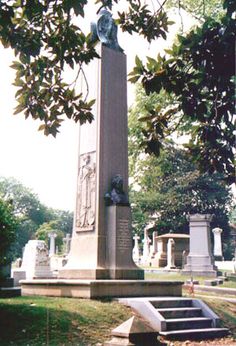
JOHN TYLER’S TOMB
- Slavery is abolished in the District of Columbia
- Major General David Hunter organizes the first set of black troops that were former slaves. Confederates threaten they will execute captured black troops and Lincoln responds they will execute a confederate soldier for every black troop executed.
- Former President Van Buren is laid to rest in Kinderhook, NY
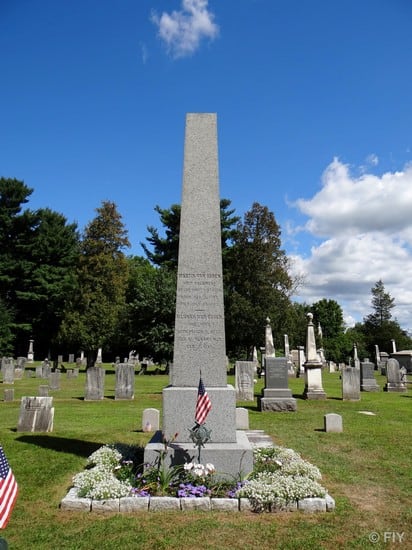
VAN BUREN’S GRAVE
- General Robert E. Lee and “Stonewall” Jackson‘s Confederate army dominate the 2nd Battle of Bull Run which lead to huge Union losses
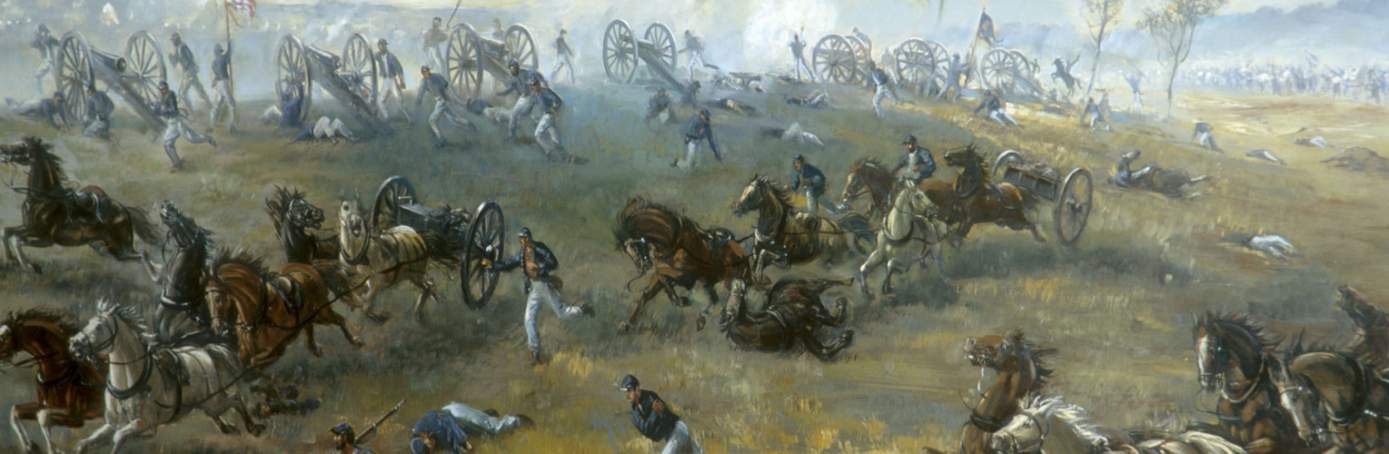
2ND BATTLE OF BULL RUN
- The Battle of Antietam takes place and becomes the bloodiest single-day battle of the Civil War
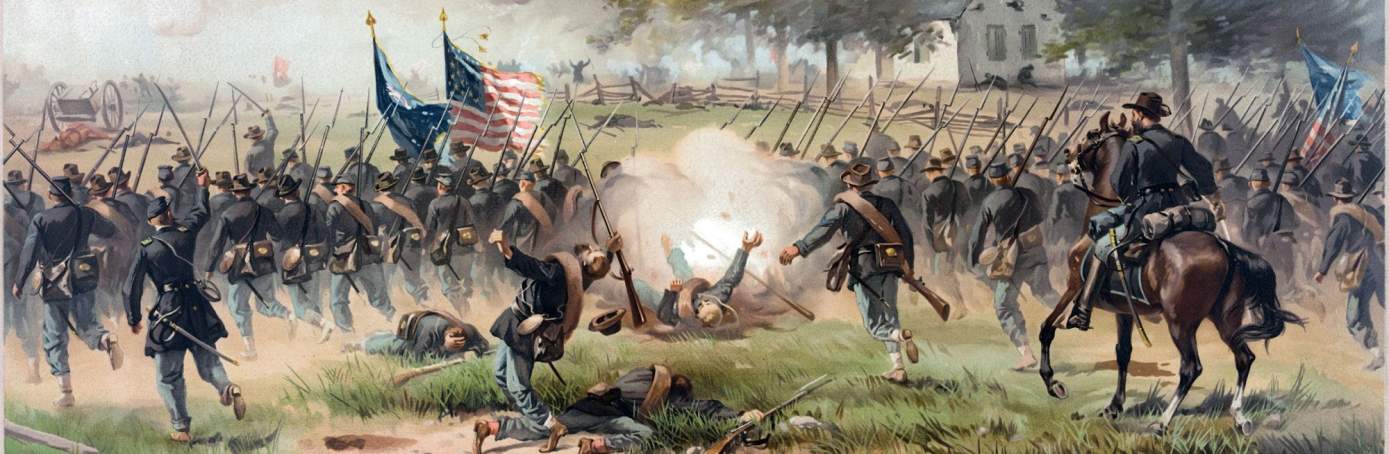
BATTLE OF ANTIETAM
- Battle of Shiloh takes place in Tennessee
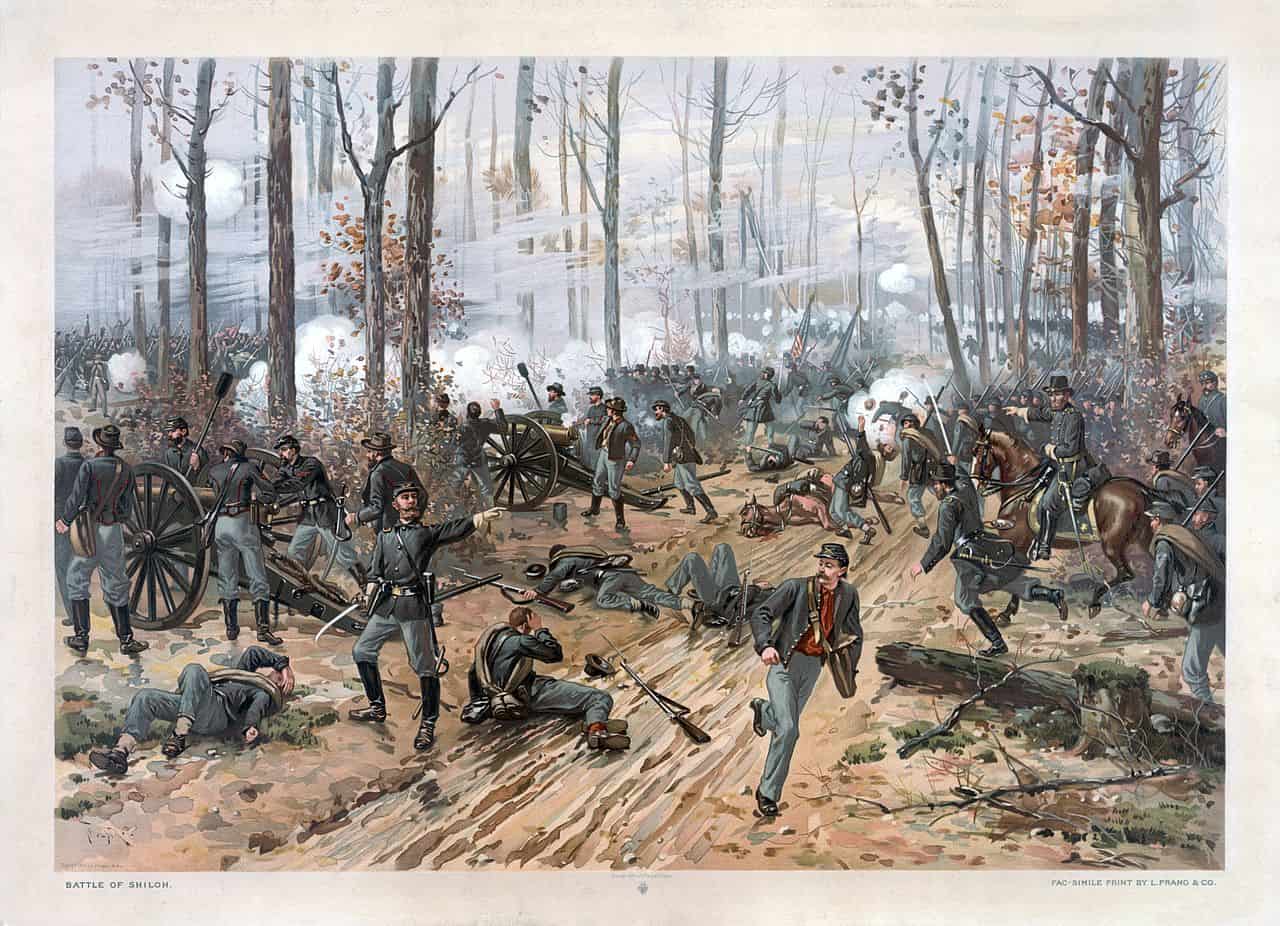
BATTLE OF SHILOH
- General Lee invades the North in attempt to isolate Washington D.C. but fails. McClellan does not chase after the retreating Lee, frustrating President Lincoln and causing him to remove McClellan from command.
- Lincoln issues the Emancipation Proclamation, to go into effect the following year where all Confederate and opposing state’s slaves were considered Free men. Union state slaves were not included in this.

- Battle of Fredericksburg takes place, marking a huge defeat to the Union.

BATTLE OF FREDERICKSBURG
- Union ironclad Monitor sinks off Cape Hatteras, North Carolina
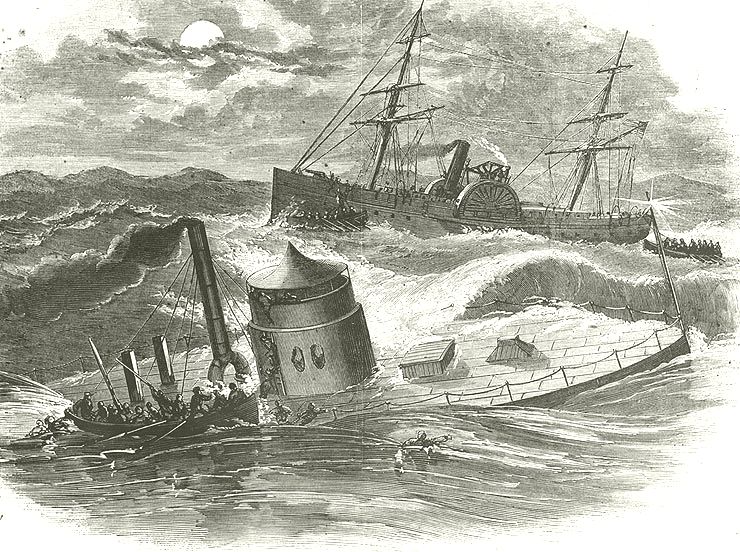
USS MONITOR SINKING
1863;
- Emancipation Proclamation goes into effect, making black slaves in the South “forever free”. It did not include occupied portions of the South like parts of Tennessee, Virginia, and Louisiana, nor the loyal slave states, just rebellion portions.
- The Battle of Murfreesboro occurs
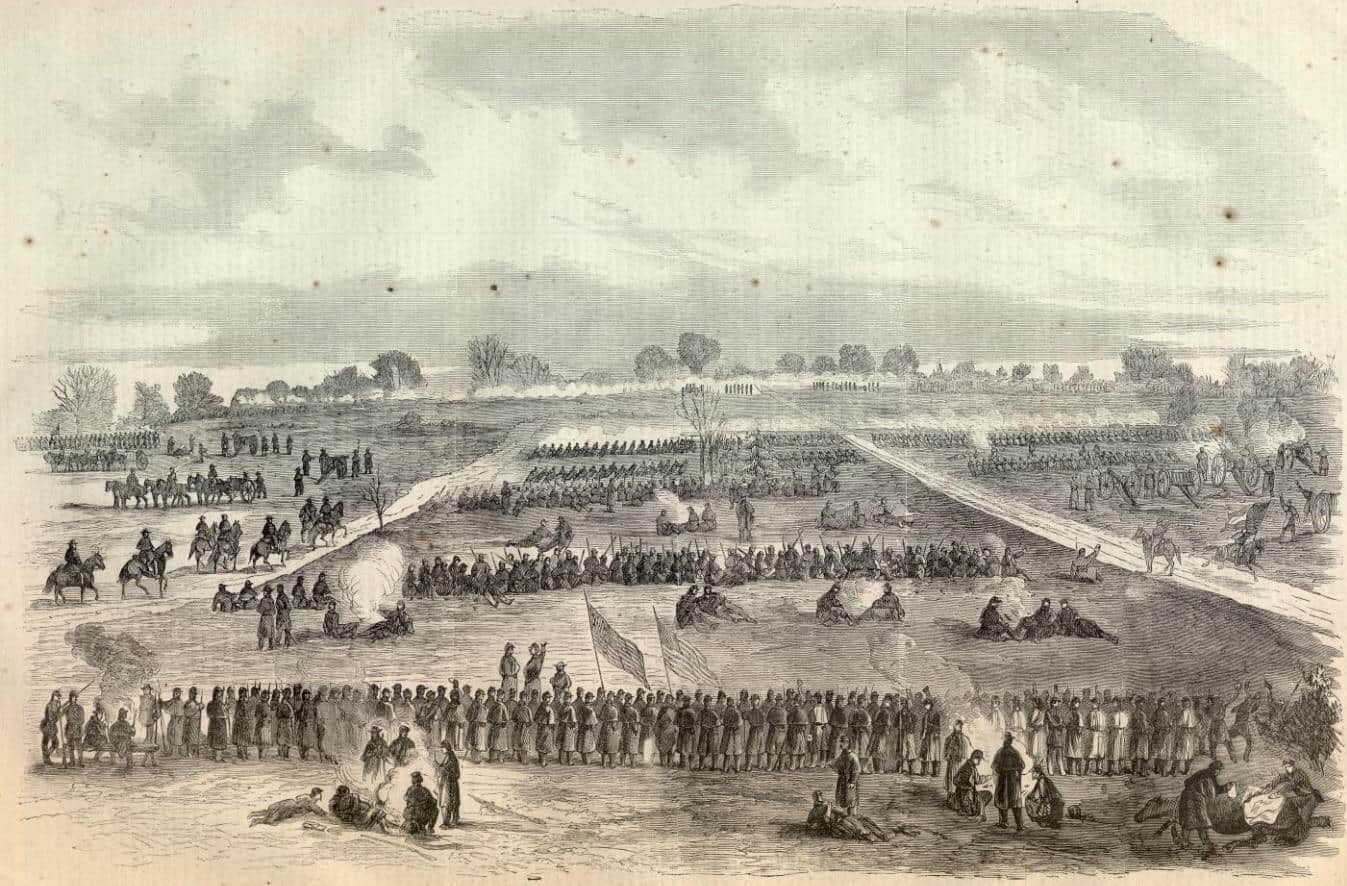
BATTLE OF MURFREESBORO
- Salmon P. Chase orchestrates the first income tax in 1863.
- Congress passes Conscription law, requiring military service, or draftees can pay $300 to hire a substitute, which angers some, referring to that as “aristocracy legislation.”
- Battle of Chancellorsville takes place where Stonewall Jackson is wounded by his own troops, requiring his arm to be amputated, short time later, dying from pneumonia. General Lee wins the battle and it is dubbed a brilliant victory, prompting him to invade the North again.
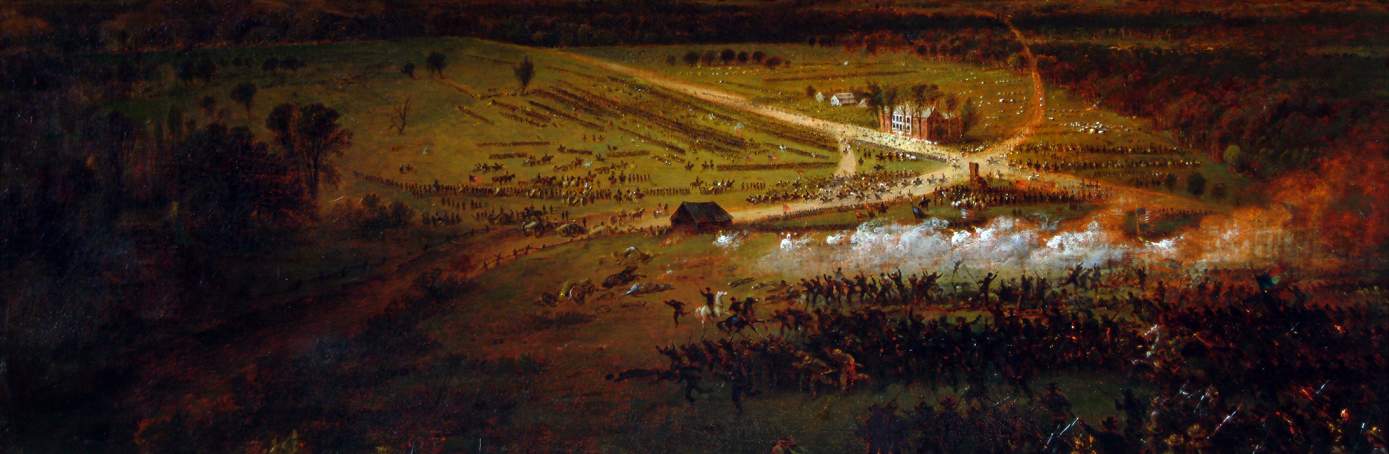
BATTLE OF CHANCELLORSVILLE
- Richmond Bread Riot takes place, becoming largest civil disobedience for the Confederacy
- West Virginia becomes the 35th state of the Union (Although Southern states seceded from the Union, Lincoln still counted them as Federal property, knowing they would not give up the fight to unify them all again)
- On Lee’s way to invade the North again and try to take Washington D.C., General George G. Meade (whom replaced McClellan) accidentally ran into him in Gettysburg, staging the biggest engagement of the Civil War with the Battle of Gettysburg.
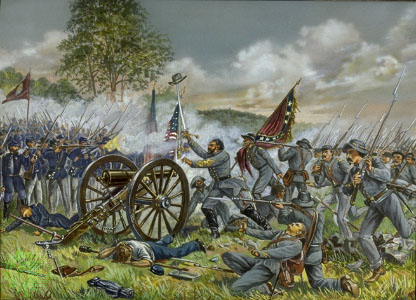
BATTLE OF GETTYSBURG
- Lee makes huge mistake sending General George Picket and 15,000 men on a suicidal run of Cemetery Ridge, causing Lee and his men to retreat. Meade does not pursue, frustrating Lincoln.
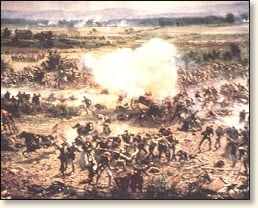
LEE’S RETREAT FROM GETTYSBURG
- General Ulysses S. Grant captures Vicksburg, Mississippi, a confederate stronghold. Shortly after, Lincoln promotes Grant as his Lieutenant General.
- Angry over the draft, rioters in New York protest the conscription act prompting Lincoln to send troops from Gettysburg to end the fighting in New York
- Lincolns makes the Gettysburg address on the bloodstained battlefield and dedicates a National cemetery for it.
- Lincoln offers pardons to those in the South that take the oath and come back to the Union.
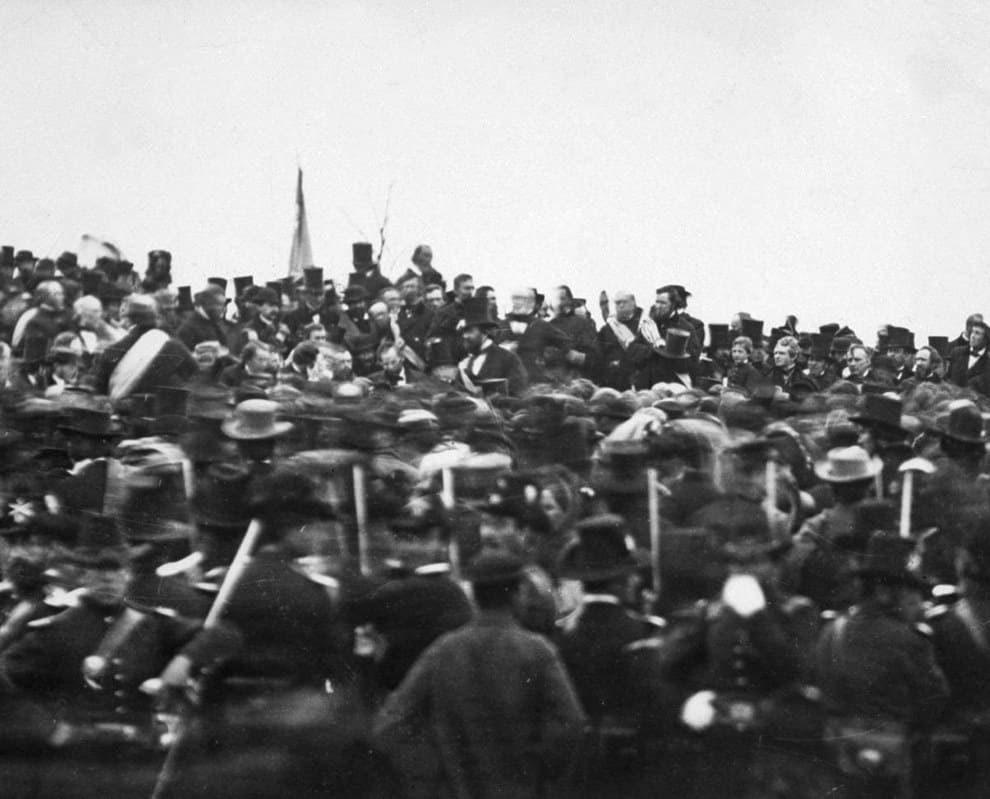
GETTYSBURG ADDRESS
1864;
- General Grant continues his Spotsylvania campaign, hammering through Lee’s forces.
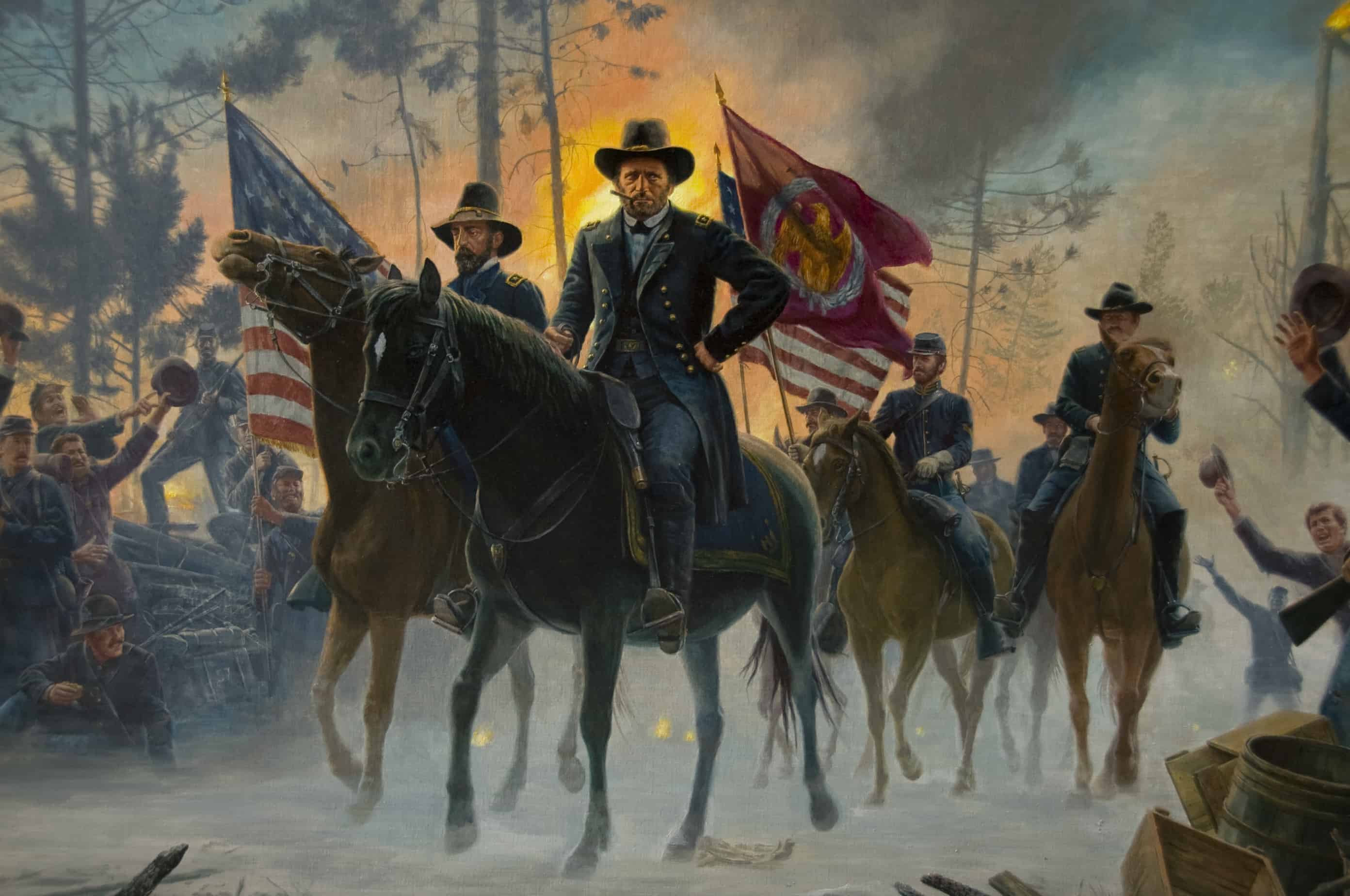
GENERAL GRANT INVASION
- Lincoln opens peace negotiations and sends Horace Greeley to Canada to meet with Davis’s emissaries but without proper authority there, negotiations fail.
- Democrats deem the war a failure and nominate General McClellan as their candidate to run against Lincoln for his 2nd term.
- Confederates under General John Hood evacuate Atlanta Georgia as Union forces led by General William Tecumseh Sherman come in to occupy the city. Sherman, being a close friend to General Grant, used Grant’s same tactics of total warfare to occupy areas of the Atlanta Campaign
- Nevada becomes the 36th state of the Union
- Following decisive Union victories by Admiral Farragut in Alabama and General Sherman in Atlanta, Abraham Lincoln is reelected as President of the United States, with Andrew Johnson as his new Vice President. He chose Johnson, a racist and uneducated Southerner from Tennessee, to balance the ticket.
- Salmon P. Chase is appointed Chief Justice of the Supreme Court after his Legal Tender Act of 1862 helped keep the nation out of financial ruin.
1865;
- House approves the Thirteenth Amendment, with Lincoln’s influence.
- Confederate Congress gives Robert E. Lee full command of Confederate Army
- Federal Congress creates Freedmen’s Bureau to help Southern blacks affected
by the war - Confederate Congress approves recruitment of 300,000 slaves for military involvement. President Davis declares that all volunteers and their families would be given freedom
- Richmond, Virginia is evacuated
- Union forces capture Confederate’s much-needed supplies at Appomattox Court House in Virginia, prompting Confederate General Robert E. Lee to surrender to General Grant, marking the end of the Civil War.
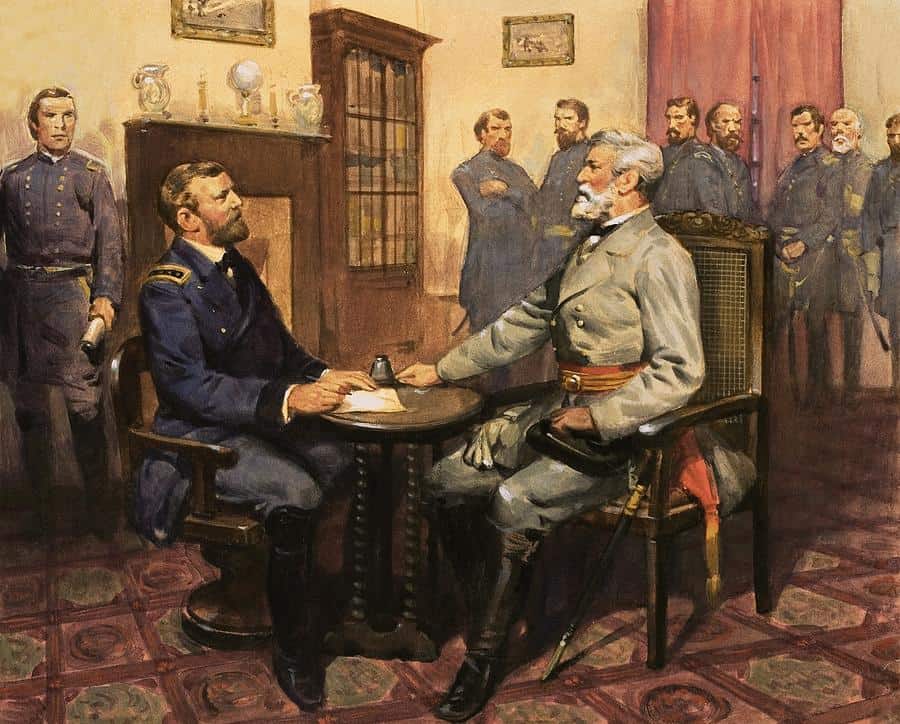
GENERAL GRANT AND GENERAL LEE
- 5 days after the conclusion of the war, President Lincoln was shot in the head at Ford’s theater by Confederate sympathizer John Wilkes Booth, dying the following morning.
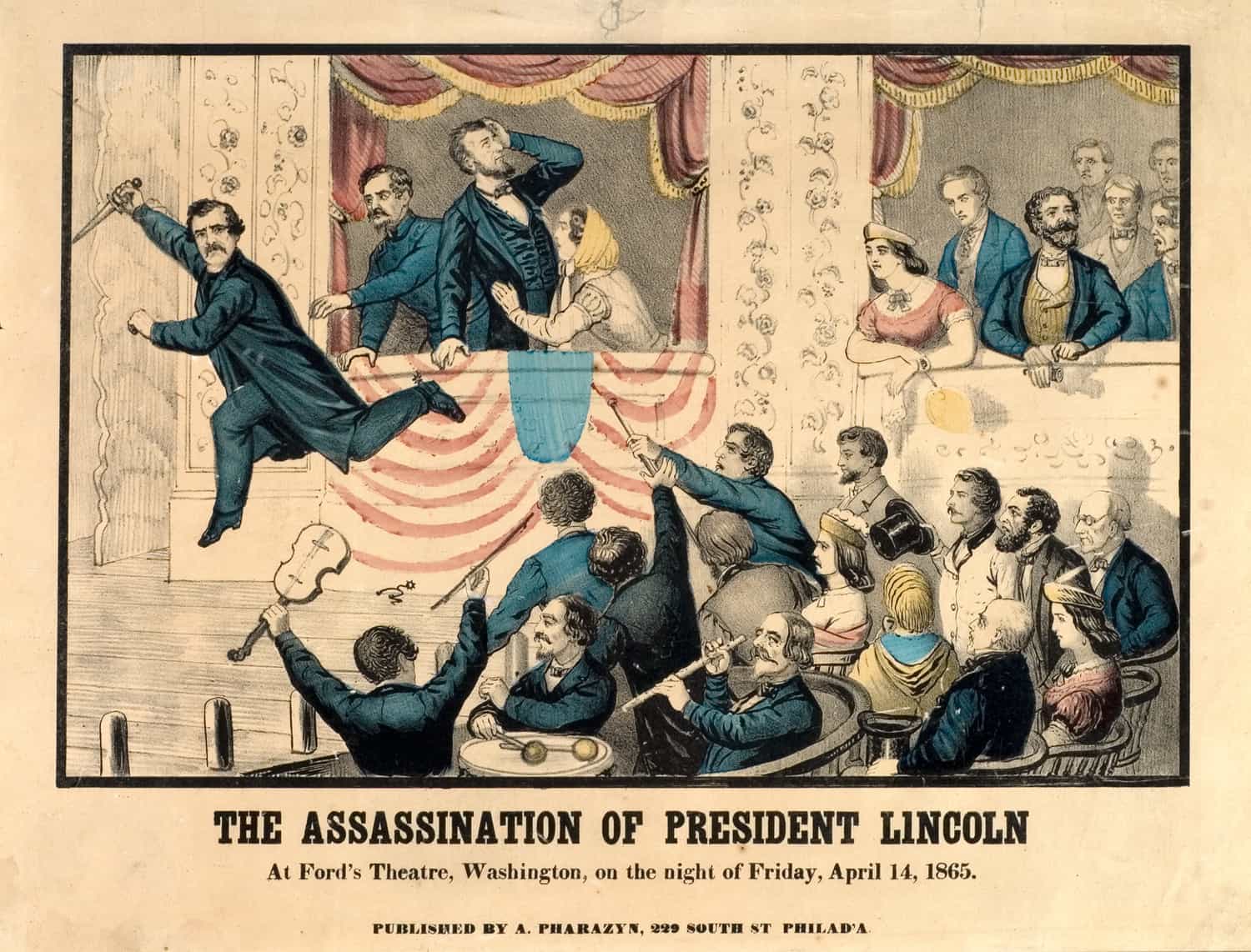
John Wilkes booth had accomplices who were supposed to kill Secretary of State William H. Seward, Vice President Andrew Johnson, and General Ulysses S. Grant but Booth was the only one to follow through. The accomplices were hanged for taking part in the plot or having known about it in advance and doing nothing. Booth was discovered in a barn in Virginia by the Army and Secret Service but as they attempted to capture Booth, the barn was set on fire and Booth either shot himself or was killed in a shoot-out trying to flee.
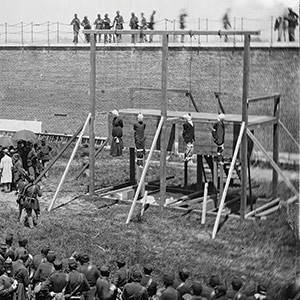
BOOTH ACCOMPLICES HANGING
Lincoln’s death stunned the country and wiped away any celebration that was to come of the ending of the Civil War. Polls show that Lincoln is the most admired President. Lincoln is the face of the five-dollar bill, and the penny. The Lincoln Memorial in Washington D.C. was made dedicated to him, as well as his face being one of the 4 on Mount Rushmore.
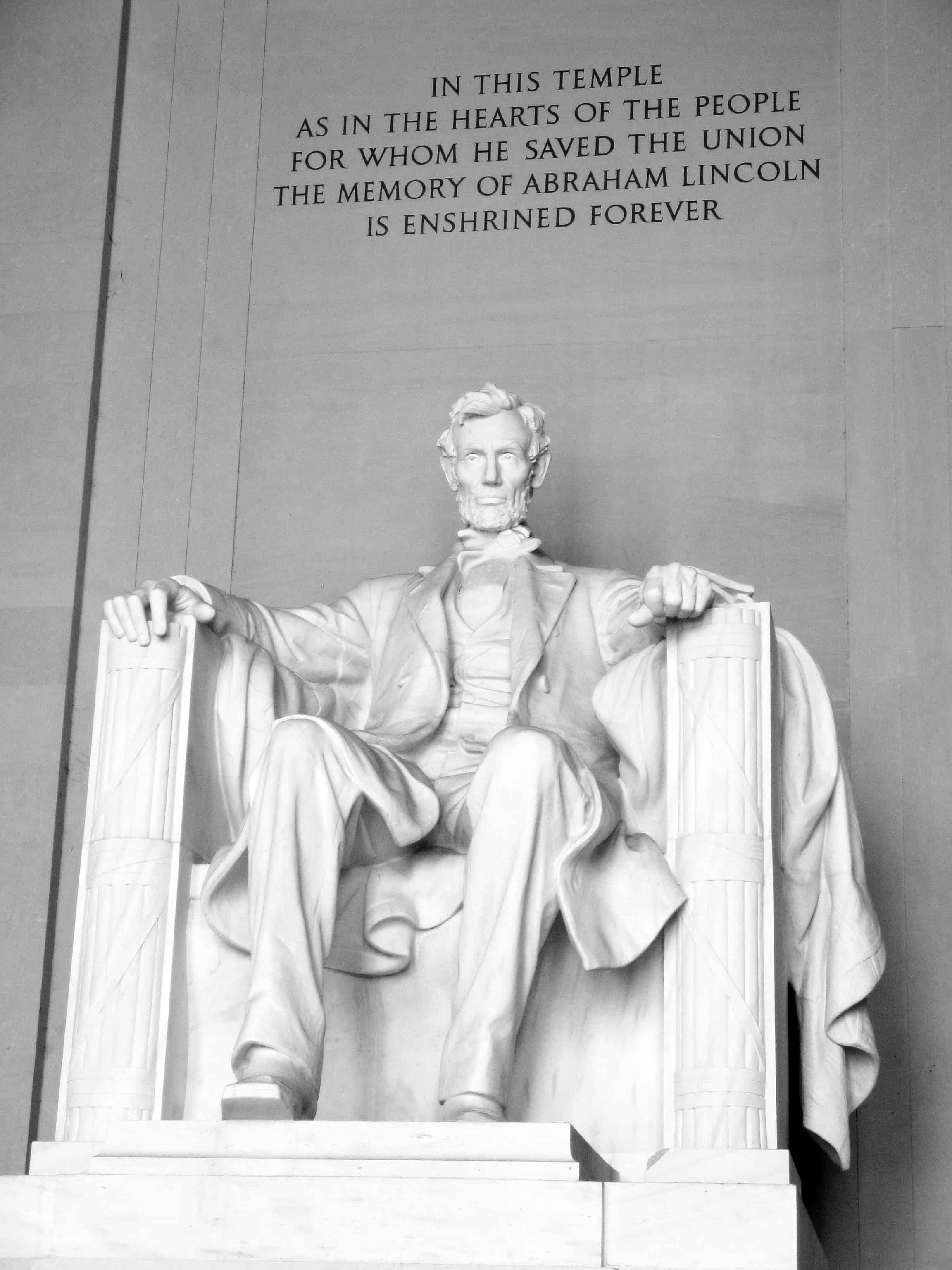
LINCOLN MEMORIAL
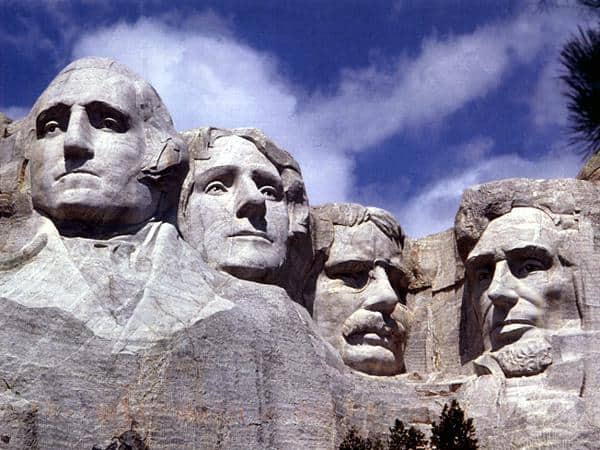
MOUNT RUSHMORE
Famous quotes:
“Nearly all men can stand adversity, but if you want to test a man’s character, give him power.”
“Whatever you are, be a good one.”
“I destroy my enemies when I make them my friends.”
“America will never be destroyed from the outside. If we falter and lose our freedoms, it will be because we destroyed ourselves.”
“Those who deny freedom to others deserve it not for themselves.”
“Give me six hours to chop down