
Mechanical systems are the backbone of modern industry, keeping facilities, equipment, and infrastructure operating safely and efficiently. From the pumps that move water through buildings to the bearings that support rotating machinery, every mechanical component plays a vital role in keeping systems running reliably.
This hub explores the principles, components, and equipment that make up the mechanical world. You’ll learn about pumps, valve types and applications, bearings, mechanical seals, power transmission, vehicles, maintenance tools, and the practical techniques used by technicians every day. Whether you’re troubleshooting equipment, performing preventive maintenance, or building a strong foundation in mechanical systems, these articles are designed to help you understand not just how components work—but why they matter and how they work together as complete systems.

Basoc Automotive Maintenance Tips
Keeping a vehicle in good condition doesn’t require being a professional mechanic—it starts with understanding the basics. From checking fluids and tire pressure to replacing filters, inspecting belts, and recognizing early warning signs, routine automotive maintenance can improve reliability, extend the life of your vehicle, and help prevent costly repairs. This guide covers the essential maintenance tips every vehicle owner should know to keep their car, truck, or fleet operating safely and efficiently.
Basic Tools
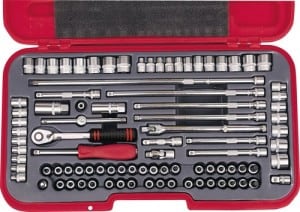
Every technician starts with a core set of hand tools. Whether you’re working on vehicles, HVAC equipment, pumps, or industrial machinery, having the right tools—and knowing how to use them safely—is the foundation of quality workmanship. This guide introduces the basic tools found in most toolboxes, explains what each one is used for, and helps you build a practical collection that will serve you throughout your career.
V-Belts
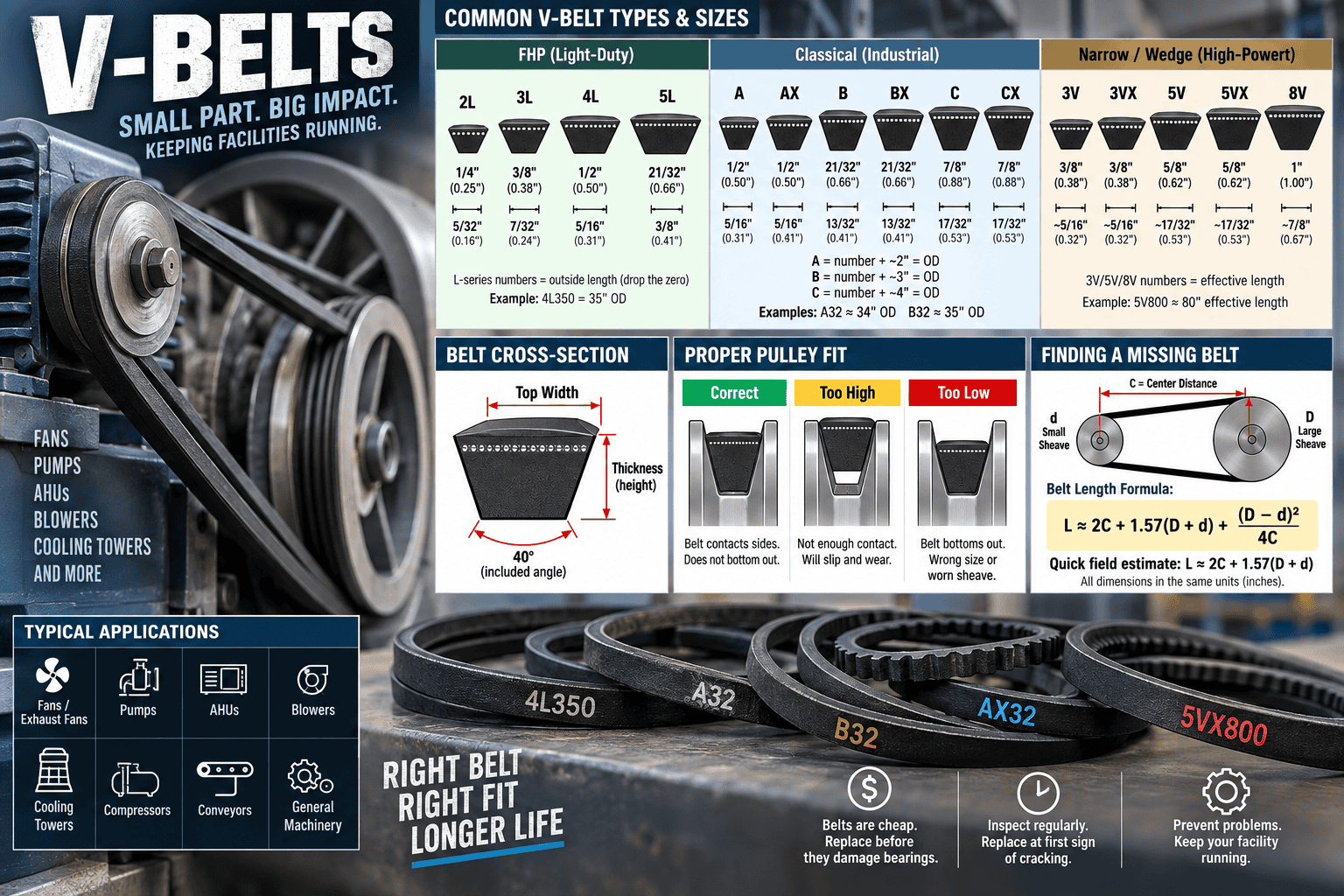
V-belts may be inexpensive components, but they play a major role in keeping facility equipment running. From exhaust fans and air handlers to pumps and cooling towers, choosing the right belt—and understanding proper sizing, tension, alignment, and replacement—can prevent downtime and protect more expensive components. This guide covers the common V-belt types, how to read belt sizes, proper sheave fit, field sizing, and the maintenance practices that help extend both belt and bearing life.