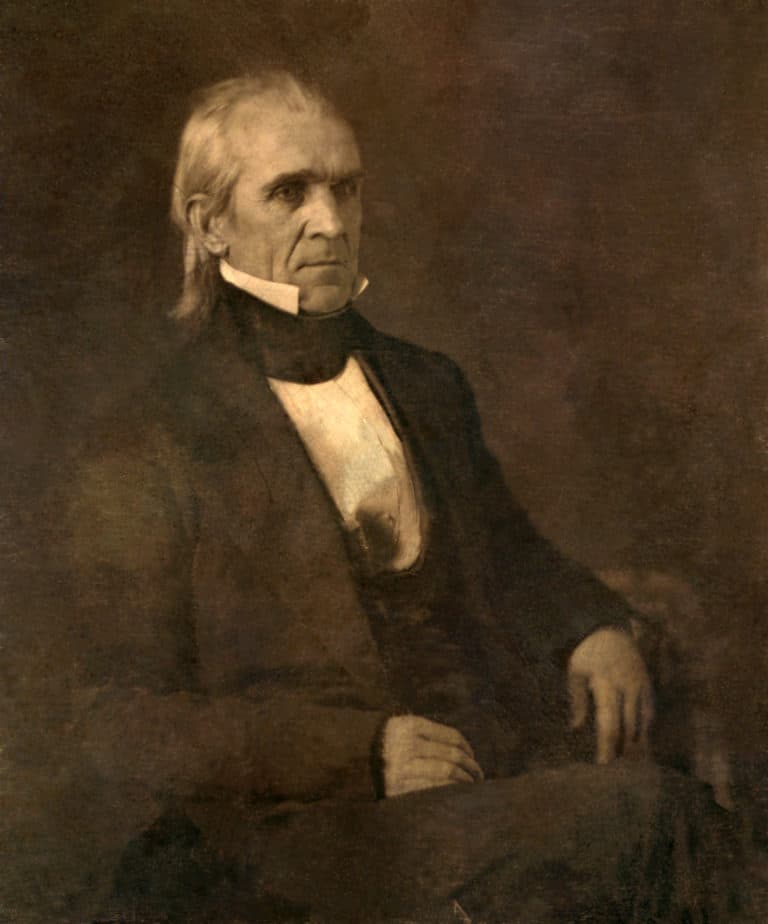
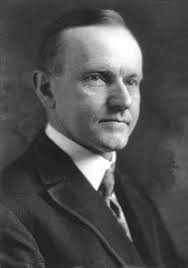
#33 Harry S. Truman- The Atomic Age President

5/8/1884 – 12/26/1972
Party: Democrat
Timeline; 1945-1953
#33 Harry S. Truman- The Atomic Age President
Truman tried joining the U.S. military Academy early on but was denied due to his poor eye-sight so he opted for the Missouri Army National Guard (1905-1911) then when World War I broke out he rejoined the Guard as a first lieutenant before joining the U.S. Army (1917-1919) where he eventually made captain and went to reserves where he studied more into law becoming the presiding judge of Jackson County, Missouri (1927-1935), then as a U.S. Senator (1935-1945) before becoming VP to Franklin Roosevelt (1945-1953).
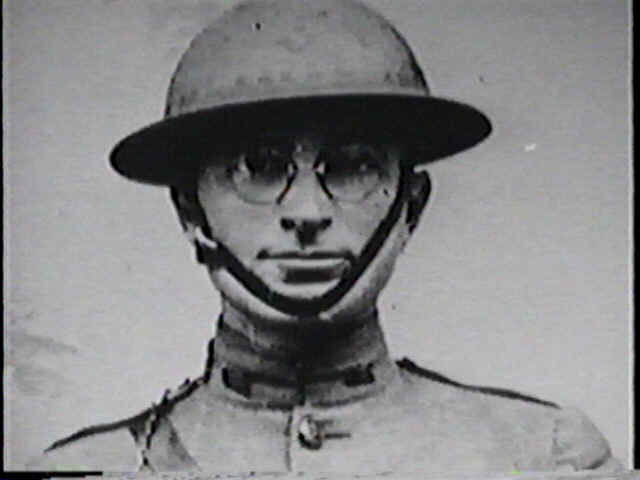
HARRY TRUMAN IN WWI UNIFORM
1945;
- Following Roosevelt’s death, Truman becomes the 33rd President of the U.S. at the age of 60.
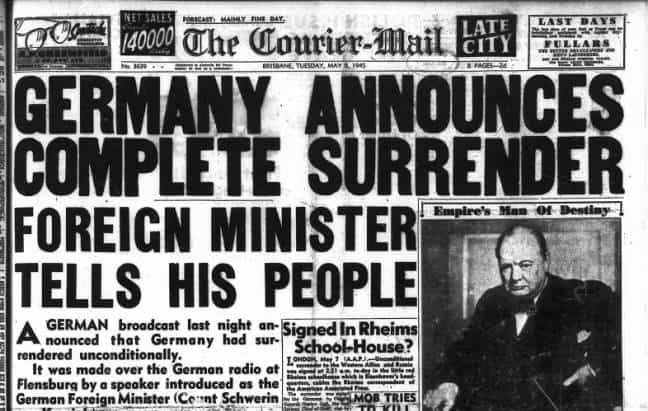
- Germany surrenders, ending World War II in Europe
- Representatives from the United States, Britain, and the Soviet Union attend the Potsdam Conference
- Adolf Hitler is found dead from a self inflicted gun shot wound.
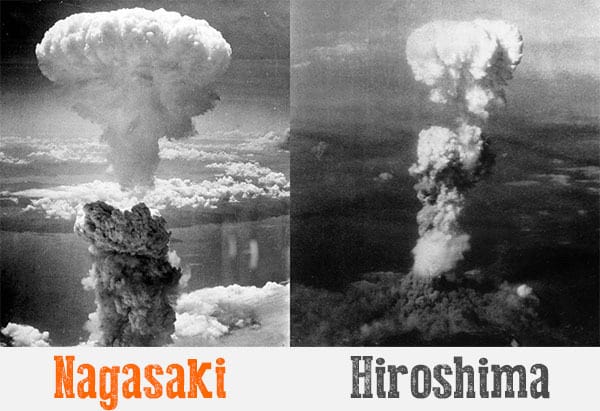
- The United States drops an atomic bomb on Hiroshima, Japan
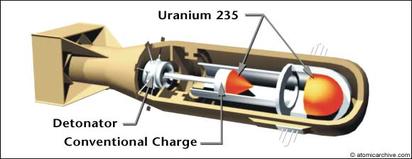
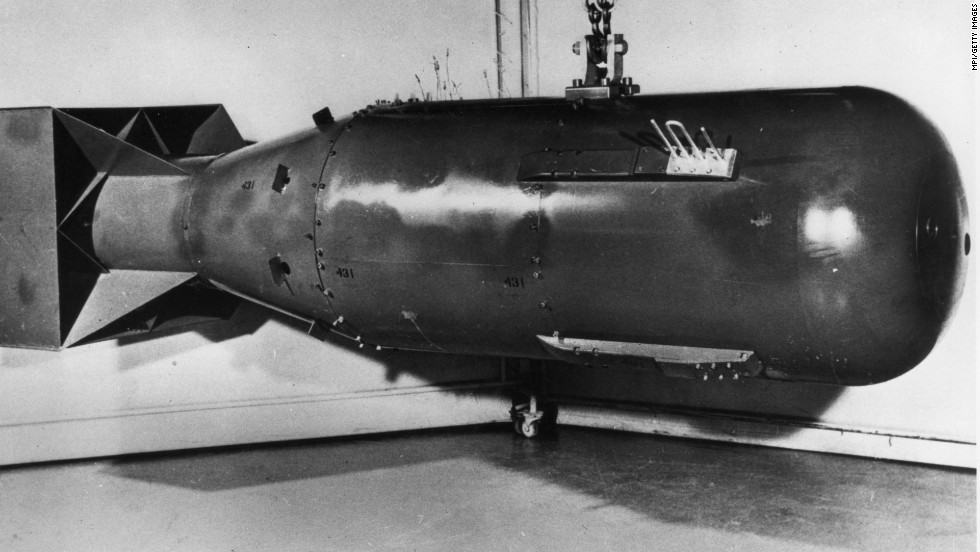
“LITTLE BOY” ATOMIC BOMB
- The United States drops an atomic bomb on Nagasaki, Japan
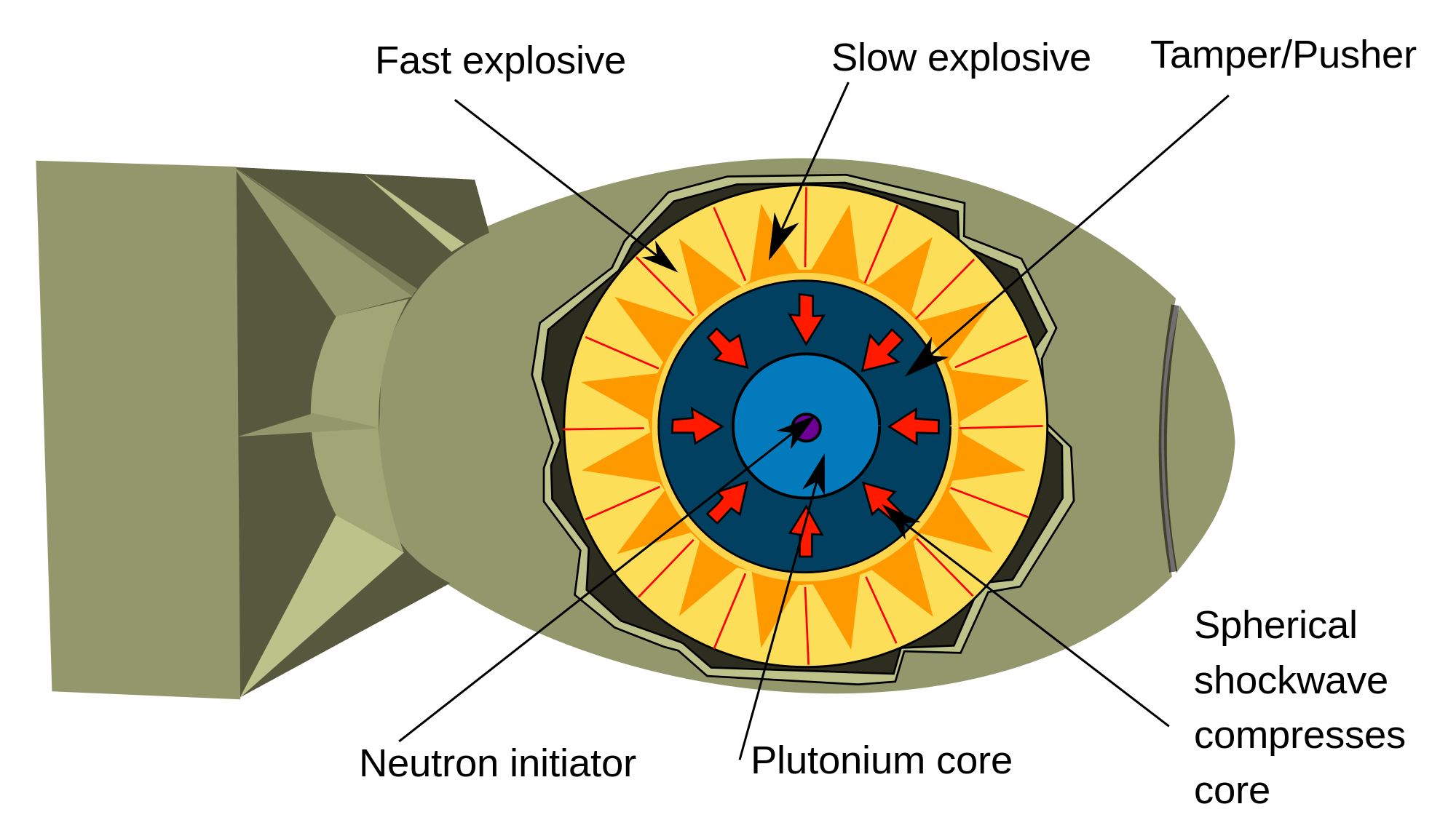
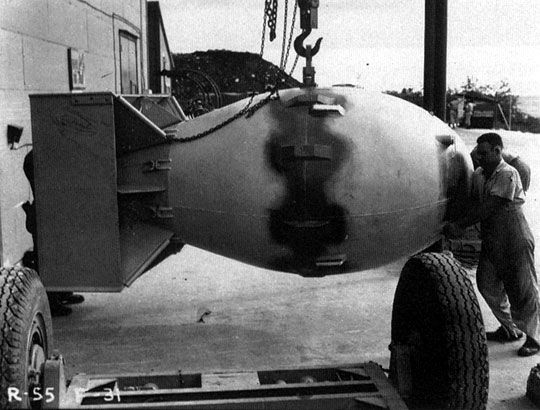
“FAT BOY” ATOMIC BOMB
- Japan surrenders, ending World War II in Asia
- Truman presents Congress with his 21-point plan for Re-conversion
1946;
- Truman signs the Employment Act
- Phillipine legislature meets the terms of the Tydings-McDuffie Act and wins their independence
- State Department official George Kennan, serving in the Soviet Union, sends his “Long Telegram,” in which he analyzes the sources of Soviet conduct and Moscow’s geopolitical intentions, and suggests American responses
- Winston Churchill delivers his “Iron Curtain” speech at Westminster College in Fulton, Missouri
1947;
- While relations begin to sour with the Soviet Union, pushing into the Cold War, Truman delivers his “Truman Doctrine” speech to Congress, asking for a $400 million appropriation to fight the spread of Communism in Greece and Turkey.
- Truman issues an executive order creating the Federal Employee Loyalty Program
- Jackie Robinson plays his first game with the Brooklyn Dodgers and integrates major league baseball

- Truman signs the “Truman Doctrine” appropriation approved by Congress for Greece and Turkey
- George Marshall proposes economic aid to Europe in an address at Harvard University. Officially titled the Economic Recovery Program, the package becomes known as the “Marshall Plan.”
- Truman vetoes the Taft-Hartley Act but Congress overrides it
- Truman becomes the first President to address the NAACP
- The National Security Act passes Congress, creating the National Security Council, the Central Intelligence Agency, the Department of Defense, and the National Security Resources Board.
1948;
- Truman sends a message to Congress asking for legislation to secure the civil rights of the nation’s minorities
- Congress passes the European Recovery Program (the “Marshall Plan”)
- The United States recognizes the state of Israel
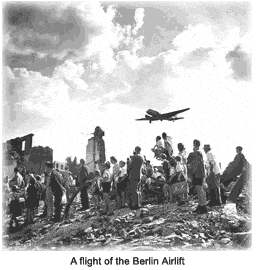
- The Soviet Union blockades the overland access routes to West Berlin
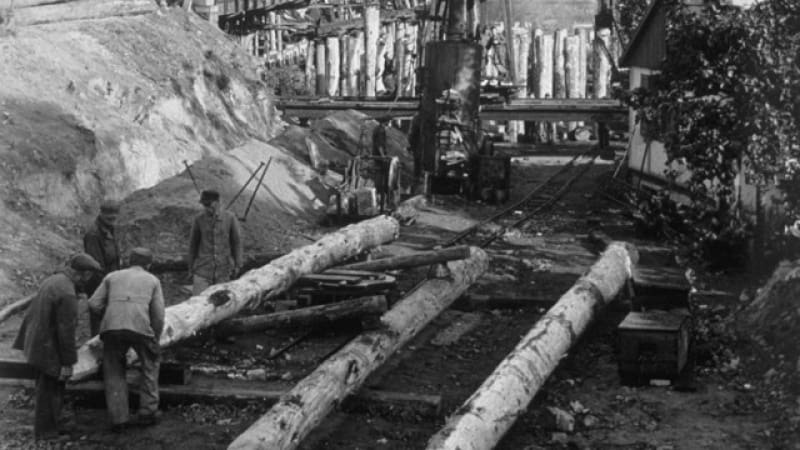
BERLIN BLOCKADE
- In conjunction with the British, Truman orders the airlifting of supplies into West Berlin
- Truman opens a special session with Congress asking for legislation on housing, civil rights, and price controls. He also establishes an executive order desegregating the Armed Forces
1949;
- Truman wins a second term with Alben W. Barkley as his V.P. and proposes the “Fair Deal” in his State of the Union address
- Twelve nations from Europe and North America sign the North Atlantic Treaty
- The Soviet Union lifts the Berlin blockade
- Truman signs the Housing Act, establishing a national housing agency and providing federal aid to slum clearance programs and low-cost housing projects
- The State Department issues its “White Paper” on China
- Truman announces that the Soviet Union has detonated an atomic bomb
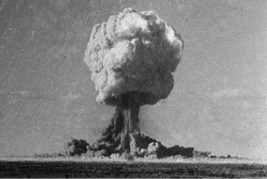
SOVIET UNION’S FIRST ATOMIC BOMB TEST
- Mao Zedong announces the establishment of the People’s Republic of China
- Congress raises the minimum wage from forty cents to seventy-five cents an hour
1950;
- Truman announces that the United States will develop a hydrogen bomb
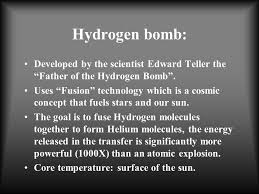
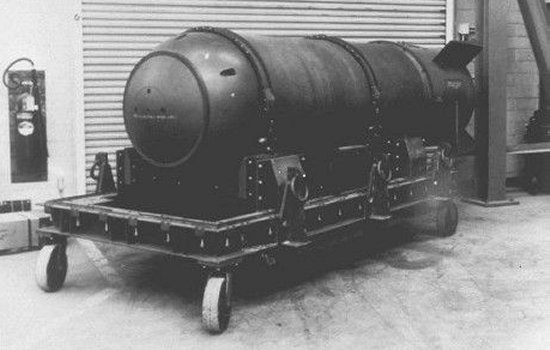
MK15 H-BOMB
- Mao and Stalin sign the Sino-Soviet alliance
- During White House renovations, the Trumans stayed at the Blair House, during that time a pair of would-be assassins attacked the house from the front but guards fought them off before any harm could come to the President.
- The National Security Council presents NSC-68: United States Objectives and Programs for National Security to Truman
- Korean War starts as North Korea invades South Korea

- Truman announces that he has ordered American ground forces stationed in Japan to Korea. General Douglas MacArthur commands the U.S. (and United Nations) troops
- Truman signs the 1950 Social Security Amendments, expanding coverage and increasing benefits
- United States military forces successfully spearhead a counterattack at Inchon, South Korea
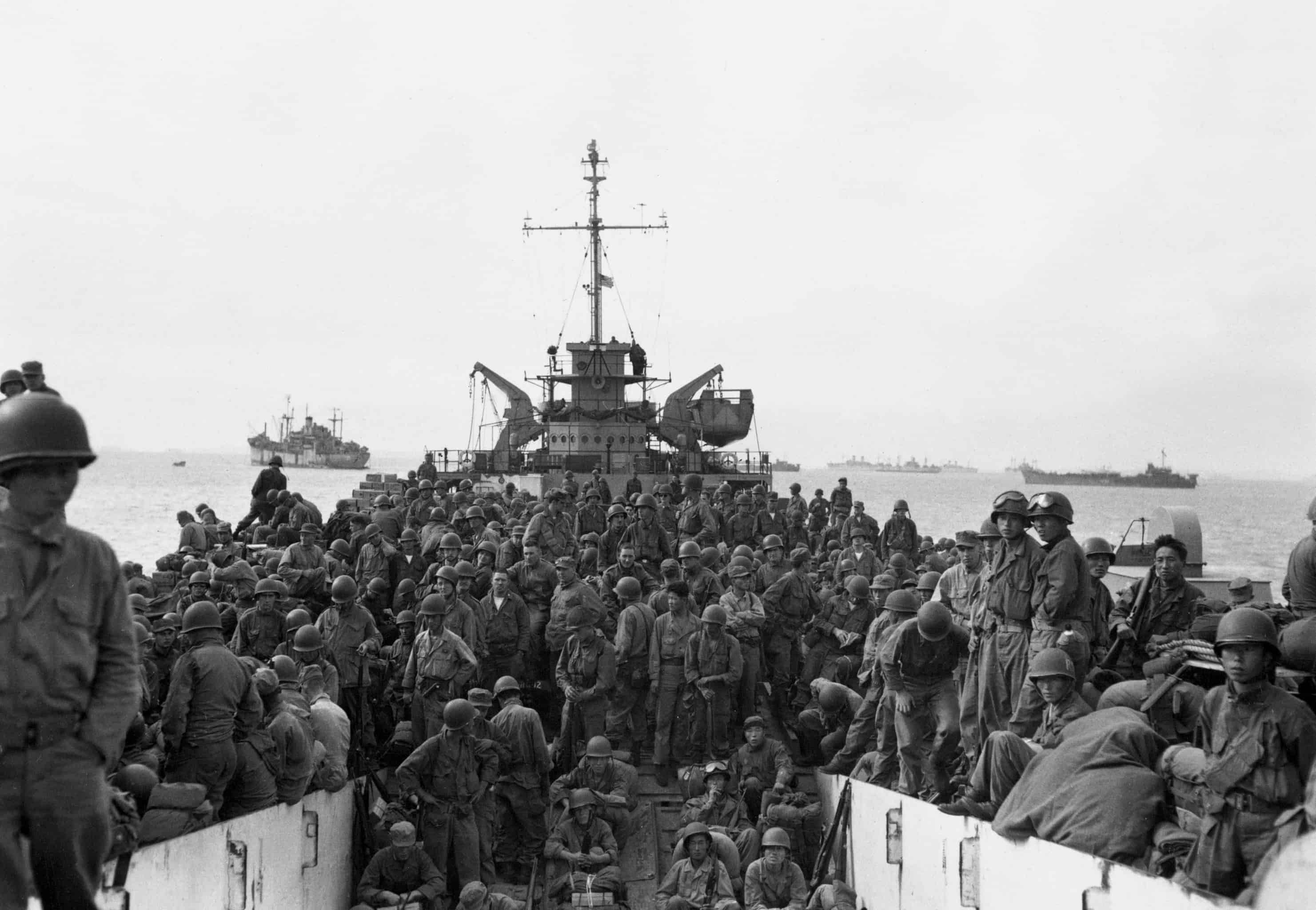
U.S. TROOPS LAND IN INCHON, S. KOREA
- Truman vetoes the Internal Security Act but Congress passes it over his veto
- Truman signs the Revenue Act of 1950, increasing corporation and income taxes
- China launches a massive counteroffensive against American advances in North Korea
- Truman proclaims a state of national emergency and imposes wage and price controls
1951;
- Truman relieves General Douglas MacArthur from his command of both U.S. and U.N. forces in Korea
- Twenty-second amendment is ratified, making President ineligible to run for a 3rd term
- Truman signs the Mutual Security Act, authorizing more than $7 billion for foreign economic, military, and technical aid
1952;
- Truman signs an Executive Order directing the secretary of commerce to seize steel mills in order to prevent a strike by steel workers
- The Supreme Court declares the seizure of steel mills unconstitutional
- Truman vetoes the McCarran-Walter Immigration Bill but the House and Senate override his veto
- The United States detonates the first hydrogen bomb

FIRST HYDROGEN BOMB TEST
After Presidency, Truman retired to Missouri with financial problems, opting not to use his past Presidency to get into corporations and just living off his army pension. He also wrote memoirs to help make ends meet and is partially the reason Presidents get a retirement package now.
Famous quotes;
“It is amazing what you can accomplish if you do not care who gets the credit.“
“America was not built on fear. America was built on courage, on imagination and an unbeatable determination to do the job at hand.“
“In reading the lives of great men, I found that the first victory they won was over themselves… self-discipline with all of them came first.“
“A pessimist is one who makes difficulties of his opportunities and an optimist is one who makes opportunities of his difficulties.“