
#34 Dwight Eisenhower- Supreme Allied Commander

10/14/1890 – 3/28/1969
Party: Republican
Timeline; 1953-1961
#34 Dwight Eisenhower- Supreme Allied Commander
Eisenhower served in the U.S. Army (1915-1953), training tank crews in World War I and worked his way up to a five-star general and Supreme Commander of the Allied Forces in World War II, most known for his role in the North Africa invasion, also known as Operation Torch.
1953;
- Eisenhower becomes the 34th President of the United States at the age of 62. Richard M. Nixon is his VP
- The Soviet Union announces the death of Josef Stalin
- All price controls officially ended by the Office of Price Stabilization
- The Department of Health, Education, and Welfare is created by joint congressional action
- Eisenhower delivers his “Chance for Peace” speech to the American Society of Newspaper Editors
- Eisenhower signs the Submerged Lands Act
- Eisenhower addresses the American public and announces an armistice in Korea
- Eisenhower proposes broadening the provisions of the Social Security Act to cover more than 10 million additional Americans
- Eisenhower signs the Refugee Relief Act of 1953, admitting 214,000 more immigrants than permitted under existing immigration quotas
- Iranians, with the backing of the CIA, overthrow the government of Prime Minister Mohammed Mossadegh, ensuring Mohammed Reza Shah Pahlavi’s hold on power

IRAN/U.S. COUP
- Eisenhower announces that the Soviet Union has tested a hydrogen bomb
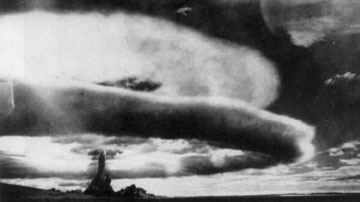
SOVIET UNION FIRST HYDROGEN BOMB TEST
- Eisenhower gives his “Atoms for Peace” speech to the U.N. General Assembly
1954;
- Eisenhower sends a special message to Congress asking for changes in the Taft-Hartley labor law
- The United States and Japan sign a mutual defense agreement that provides for the gradual and partial rearmament of Japan
- The Army-McCarthy hearings begin
- France surrenders its garrison at Dien Bien Phu to the Viet Minh
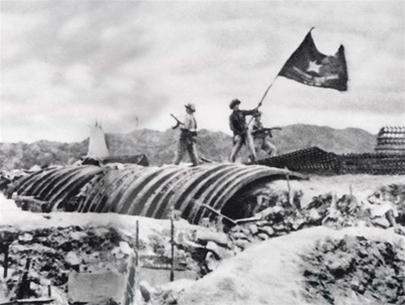
VIET MINH TROOPS RAISE FLAG AFTER TAKING FRENCH GARRISON
- Eisenhower signs the St. Lawrence Seaway Bill
- The Supreme Court announces a decision in Brown v. Topeka Board of Education, ruling that racial segregation in public schools is unconstitutional.
- A CIA-sponsored coup in Guatemala overthrows the government of Jacobo Arbenz Guzman
- The first “White Citizens Council” is organized in Indianola, Mississippi
- The Geneva Accords are signed, establishing a cease-fire and partition of Vietnam. The United States refuses to sign.
- The United States signs the South East Asian Treaty Organization Pact
- The United States signs a mutual defense pact with Taiwan
1955;
- Chinese Communist Air Force raid the nationalist-controlled Tachen Islands and seize Ichiang Island in the Taiwan Straight Crisis, Battle of Yijiangshan, and Battle of Dachen Archipelago
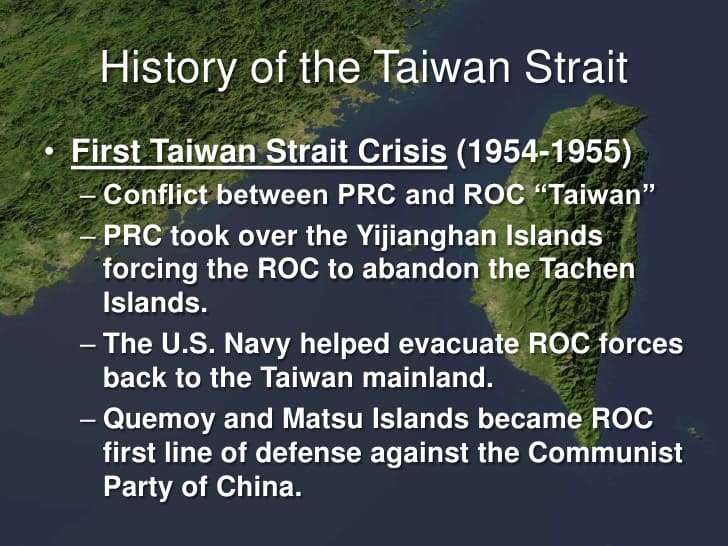
- Eisenhower announces that the United States would use atomic weapons in the event of war with Communist China
- In Brown II, the Supreme Court orders schools integrated “with all deliberate speed.”
- The Geneva Conference opens, attended by the heads of state of Britain, France, the U.S.S.R, and the United States
- Plans for the first artificial satellites, scheduled to be launched in 1957, are announced by the United States
- The Interstate Commerce Commission bans racial segregation on interstate trains and buses
- Rosa Parks is arrested in Montgomery, Alabama, for refusing to give up her seat on a bus to a white man. During the following week, the Montgomery African American community, led by Reverend Martin Luther King Jr., organizes a boycott of the city’s buses
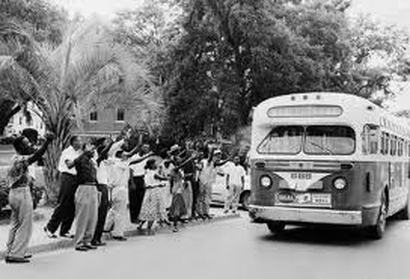
MONTGOMERY BUS BOYCOTT
- The merger of the American Federation of Labor and the Congress of Industrial Organizations is ratified
1956;
- African American student Autherine Lucy is admitted to the University of Alabama following a court order
- Eisenhower releases $1 billion worth of Uranium-235 for peaceful atomic purposes
- Nineteen senators and eighty-one representatives sign the “Southern Manifesto,” promising to use “all lawful means” to reverse the Brown decisions
- In Browder v. Gayle, a three-judge district court rules that bus segregation in Montgomery, Alabama, is unconstitutional
- Eisenhower signs the Federal Aid Highway Act, providing federal funding for the construction of a system of interstate highways for transportation and national defense
- Eisenhower signs the Social Security Act, permitting women to retire at age sixty-two and disabled workers at age fifty
- The recently discovered Salk Polio Vaccine is sold on the open market
- The Hungarian Revolution begins
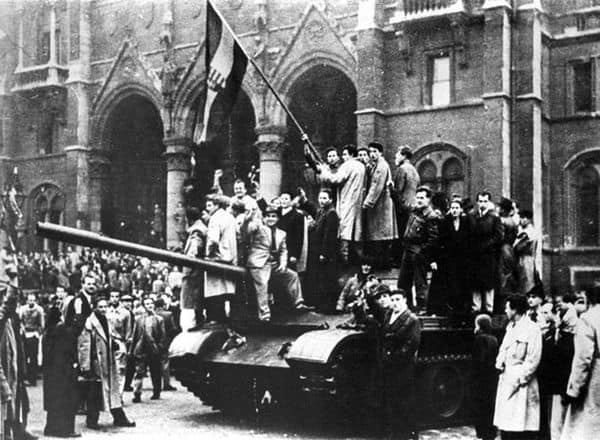
HUNGARIAN FREEDOM FIGHTERS TAKE OVER SOVIET TANK
- Israel, Britain, and France attack Egypt in the Suez Crisis; Eisenhower condemns the attack
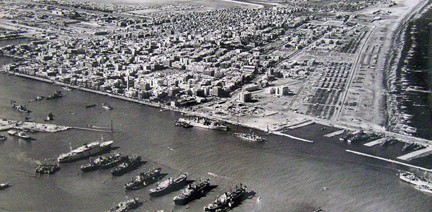
SUEZ CRISIS
- The Soviet Union crushes the Hungarian Revolution via armed intervention
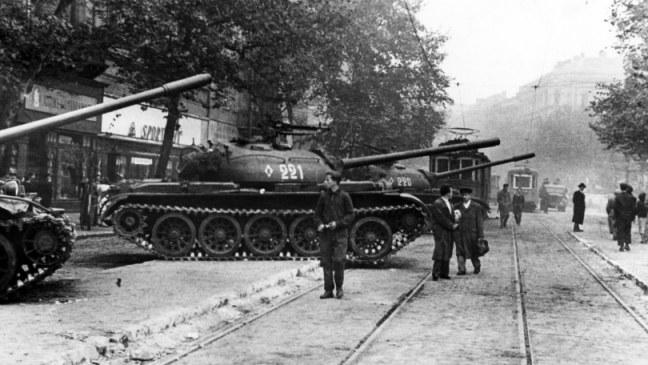
RUSSIAN TANKS CRUSH HUNGARIAN REVOLUTION
- A cease-fire is established in Egypt
- Supreme Court holds up Browder v. Gayle
- The Montgomery Bus Boycott comes to an end
1957;
- Eisenhower proposes the “Eisenhower Doctrine” regarding defense of the Middle East
- Elvis Presley makes his third appearance on the Ed Sullivan Show; and concern that his gyrating dance style is too lewd lead network executives to show him only from the waist up
- Eisenhower wins a second term Presidency, Richard Nixon is his VP
- The Southern Christian Leadership Conference is organized in New Orleans. Martin Luther King, Jr., is elected president of the organization
- Congress sanctions the “Eisenhower Doctrine.”
- Eisenhower signs the Civil Rights Act of 1957, the first civil rights bill since Reconstruction
- Eisenhower orders federal troops to Little Rock, Arkansas, to end the school desegregation crisis
- The Soviet Union launches Sputnik

SPUTNIK SATELLITE
1958;
- Eisenhower signs legislation to stimulate housing construction and help combat a developing economic recession
- Eisenhower orders 1,000 troops from Caribbean bases to rescue Nixon, if necessary, after the Vice President was threatened on his tour of Latin America
- Eisenhower doubles the strength of the Sixth Fleet in the Mediterranean Sea in Operation Blue Bat, due to tensions causing the Lebanon Crisis
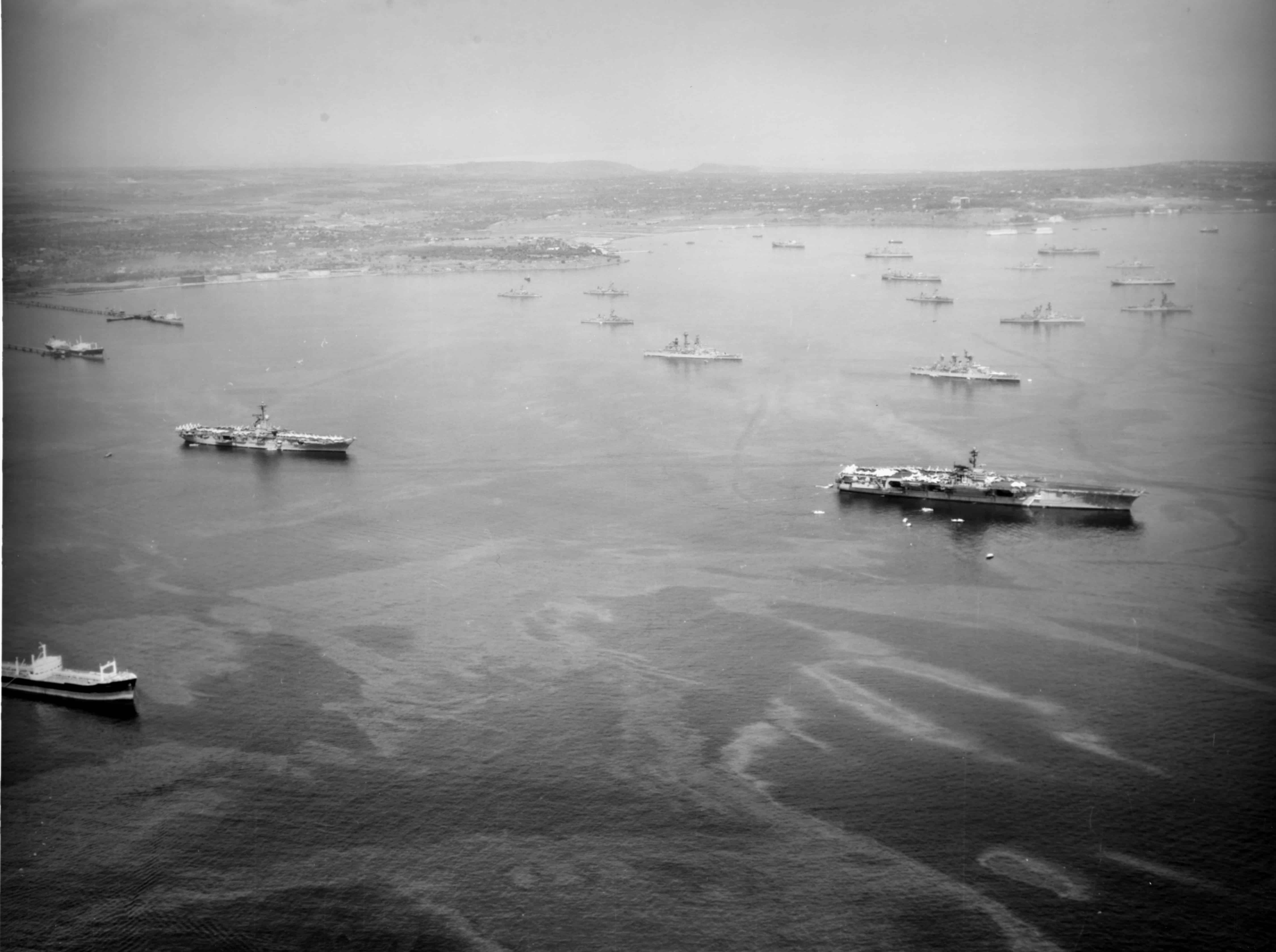
SIXTH FLEET IN MEDITERRANEAN SEA FOR OPERATION BLUE BAT
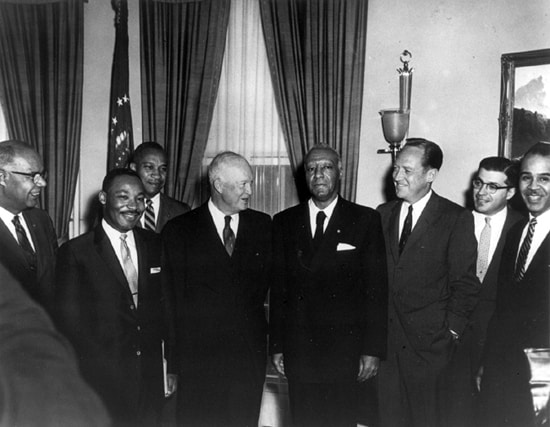
- Eisenhower meets with African American leaders Martin Luther King, Roy Wilkins, A. Philip Randolph, and Lester Granger
- Eisenhower orders the U.S. Marines into Lebanon
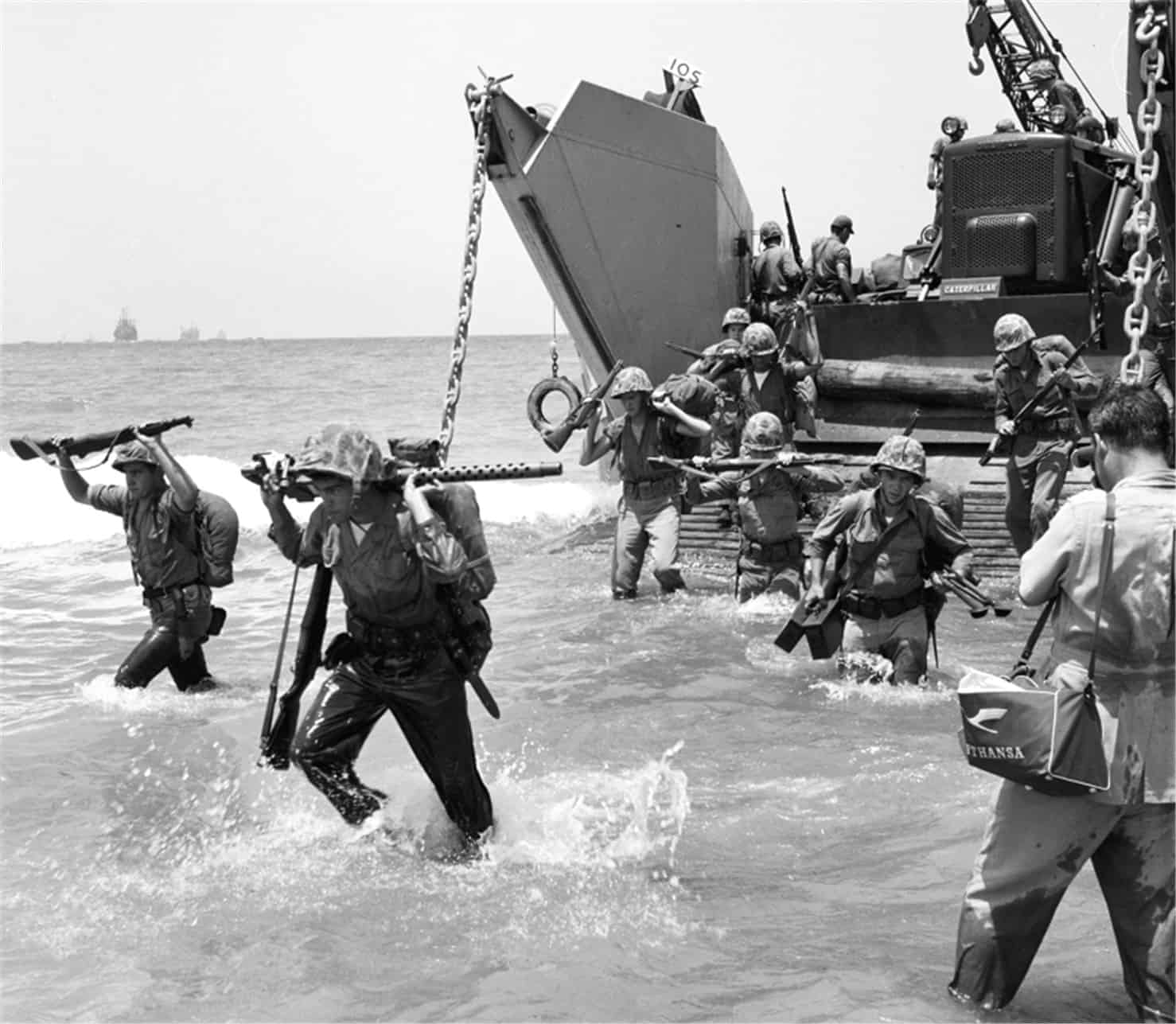
MARINES LAND IN LEBANON
- Eisenhower signs the National Defense Education Act
- Eisenhower orders the withdrawal of the last U.S. Marines from Lebanon
1959;
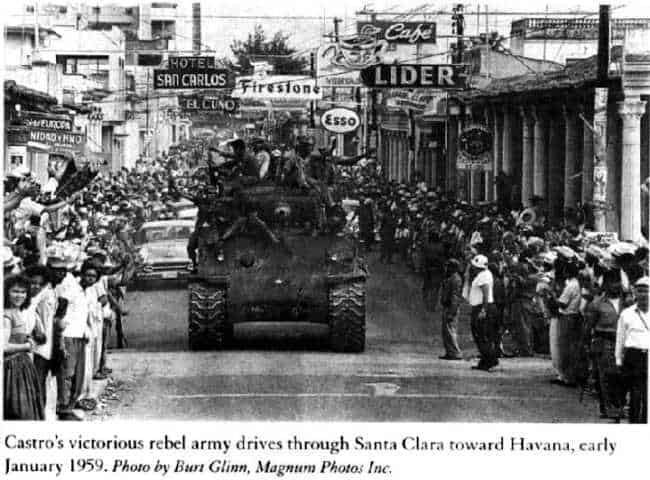
- Fidel Castro’s revolutionaries overthrow Cuban dictator Fulgencio Batista
- Alaska becomes the 49th state of the United States.
- St Lawrence Seaway opens
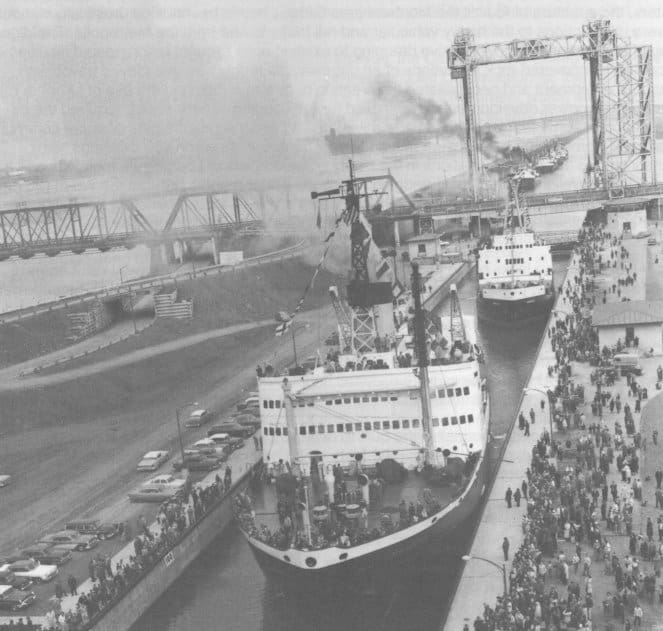
ST. LAWRENCE SEAWAY
- Hawaii becomes the 50th state of the United States
- Eisenhower meets Nikita Khrushchev asking for a partial test-ban agreement
1960;
- A U-2 reconnaissance plane piloted by Francis Gary Powers is shot down over the U.S.S.R.
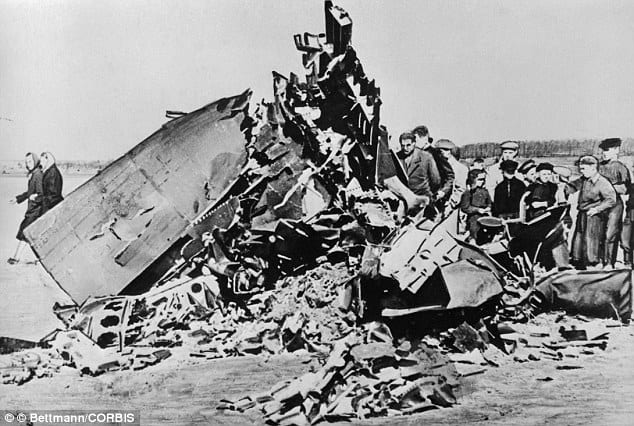
RUSSIANS LOOKING AT THE CRASH SITE OF THE U-2 THAT WAS SHOT DOWN
- The Paris Summit meeting collapses when Khrushchev demands an apology from President Eisenhower for the U-2 flights.
- The Congo (Zaire) becomes independent from Belgium on June 30, 1960 and widespread violence leads to intervention by U.N. troops

Eisenhower became the first President not constitutionally allowed to run for a third term since the twenty-second amendment was ratified. He did however, get to be the first President to fall under the Former Presidents Act, an Act that entitles former Presidents a pension for life, state provided staff and Secret Service detail. After his Presidency, he got his commission of being 5-star general reinstated and retired to a fairly quiet political life.
Famous quotes;
“A people that values its privileges above its principles soon loses both.”
“In preparing for battle I have always found that plans are useless, but planning is indispensable.”
“History does not long entrust the care of freedom to the weak or the timid.”
“If you want total security, go to prison. There you’re fed, clothed, given medical care and so on. The only thing lacking… is freedom.“


