2nd Amendment: Arms
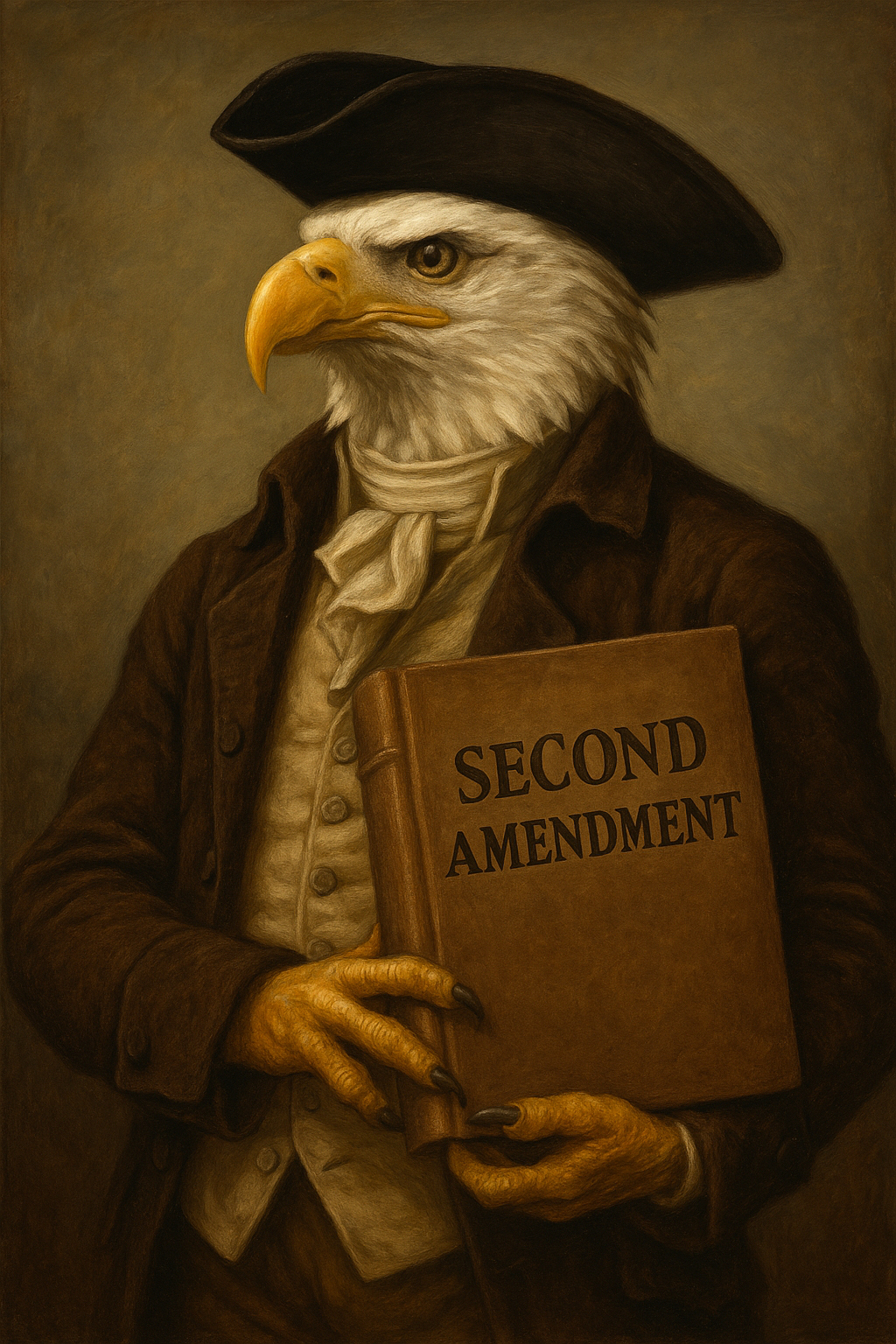
The Second Amendment: Arms
“A well regulated Militia, being necessary to the security of a free State, the right of the people to keep and bear Arms, shall not be infringed.”
1. A Well-Regulated Militia
- At the time, militias were groups of ordinary citizens trained to defend their communities.
Translation: Citizens could form local defense forces, but they needed to be organized and regulated.
2. Security of a Free State
- The Founders saw an armed population as protection against tyranny and foreign threats.
Translation: Guns weren’t just for hunting, they were tied to survival and independence.
3. Right to Keep and Bear Arms
- Citizens have the right to own and carry weapons.
Translation: You can have them for protection, sport, or defense.
4. “Shall Not Be Infringed”
- Government cannot eliminate the right to bear arms.
Translation: The right is protected, but it can still be regulated (background checks, bans on certain weapons).
How It’s Treated Today
- Firearms are heavily regulated at both state and federal levels. Automatic weapons are banned, and some states impose limits on magazine size, rifle types, or carry laws.
- Courts recognize the individual right to bear arms, but allow regulations in the name of public safety.
- Rights vary widely by state; what you can own in Texas might be illegal in California.
How It Should Be Applied
- The right to bear arms should be consistent across all states to prevent unequal rights.
- Regulation should ensure safety but not disarm citizens. If the government and military have access to certain classes of weapons, citizens should not be barred entirely from similar ownership.
- Reasonable checks (like verifying mental stability or criminal background) are acceptable, but outright bans tilt power toward the state and away from the people.