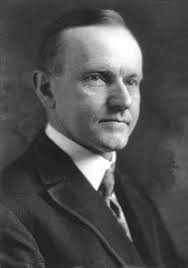
#14 Franklin Pierce- The Divisive Leader

11/23/1804 – 10/8/1869
Party: Democratic
Timeline; 1853-1857
Pierce was studying law as his father was rising in political ranks, he joined his father’s campaign and helped him become governor in 1827. By 1833, the younger Pierce was elected to Congress as New Hampshire’s “at large” district representative where he stayed until moving to Senator
(1837-1842). After losing his seat he went back to practicing law where he was a success due to his popularity and outgoing personality, but eventually he had to take part in the Mexican–American War (1847-1848) when he was summoned to lead as a brigadier general in the Army in the assault on Mexico City but arrived too late for the final battle where he suffered minor wounds and embarrassment when his horse badly stumbled and he fainted and fell. He had to be hoisted back into the saddle to ride out too late for the climactic Battle of Chapultepec. After the war Pierce retired back to his successful law firm until he was called back out of New Hampshire.

BATTLE OF CHAPULTEPEC
1853;
- Pierce becomes the 14th President of the United States at the age of 48. William R. King was his Vice President.
- Andrew Jackson Battle of New Orleans statue put up

ANDREW JACKSON STATUE
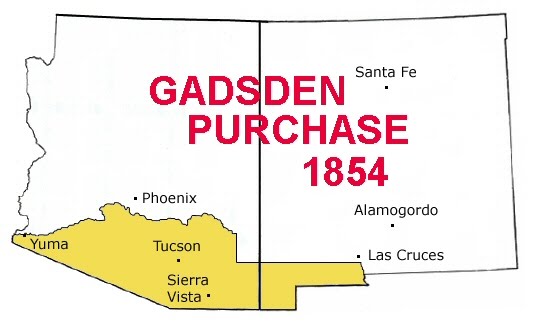
- Gadsden purchase treaty signed
1854;
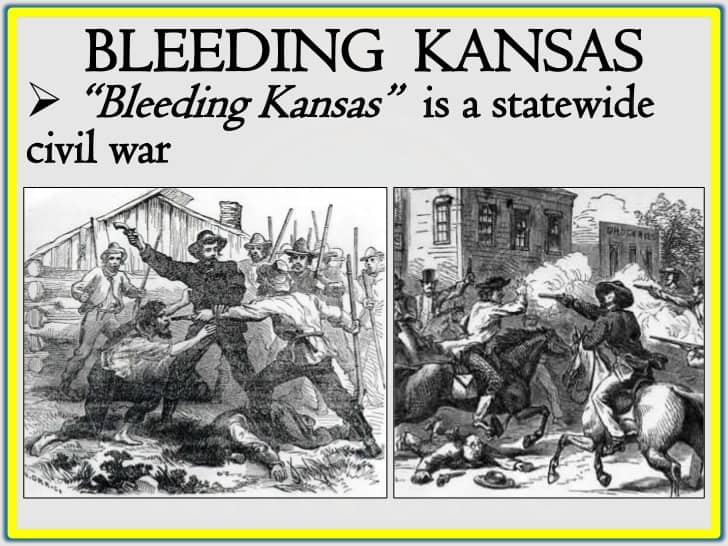
- A guerilla war between pro-slavery and anti-slavery settlers emerges and consumes Kansas for two years, dubbed “Bleeding Kansas”
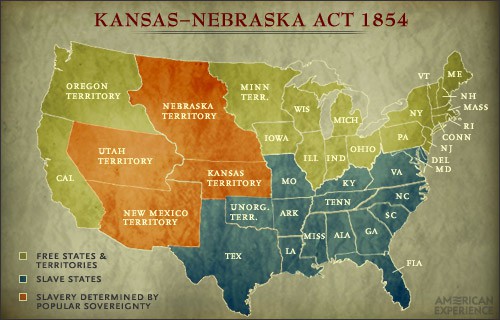
- The Kansas-Nebraska Act is signed into law
- The Canadian Reciprocity Treaty opens the U.S. market to Canadian agricultural products. In return, the United States gets new commercial rights in Canadian waters and on the Great Lakes
- Coinciding with the further disintegration of the Whig Party, the Republican Party is founded. Its membership is composed of Whigs, Free-Soilers, and northern Democrats angry at the passage of the Kansas-Nebraska Act.
- The Ostend Manifesto, written by U.S. minister to Spain; Pierre Soule suggests that the United States threaten to invade Cuba if Spain is not willing to sell the island to the United States. The State Department disavows any connection to the document and forces Soule’s resignation later that year.

- In congressional elections, the Whigs continue to decline in power while Democrats also suffer losses. The Republican Party has yet to prove its ability to contest the Democrats but boasts impressive gains through cooperation with the American Party. Forty-four Republicans are elected to the House of Representatives.
1855;
- Nationality Laws change so that children born abroad by American citizens, were in fact American citizens themselves.
- Anti-slavery settlers in Kansas form an army they called Free State Forces and write the Topeka Constitution, which creates a second government in Kansas.
- Border ruffians invade Lawrence, Kansas starting the Wakarusa War but they are chased off by the Free State Forces.
1856;
- Pro-slavery and Border Ruffians attack Lawrence again.
- Sumner-Brooks affair occurs
- In response to the pro-slavery invasion of Lawrence, some Free State Forces conduct the Pottawatomie Massacre, killing five unarmed pro-slavery Kansans along the Pottawatomie Creek.
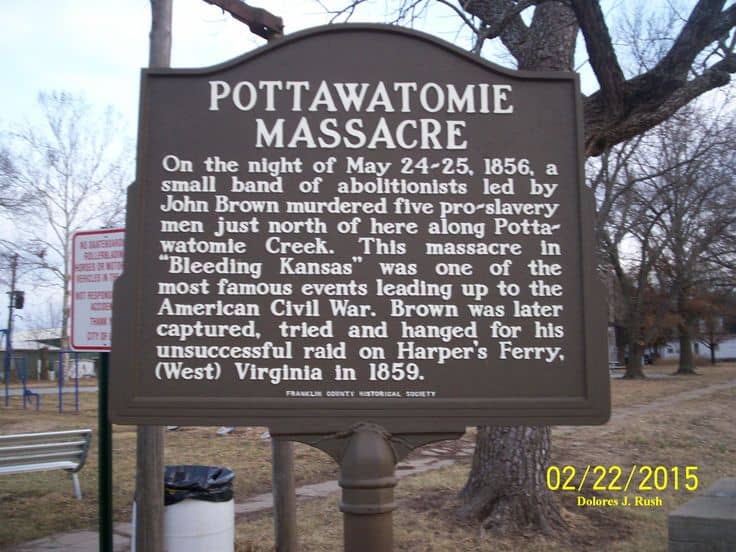
- “Bleeding Kansas” continues to rage; hundreds killed and a lot of homes burnt down,
1857;
- State of disunion convention is held Massachusetts to peacefully separate North and South.
- Congress determines foreign coins are not legal tender in the states.
You wouldn’t know by looking at him because of his outgoing demeanor but his family life was a very grim affair, his wife Jane suffer from illness and depression for much of her life and all of their children died young, their last son was killed in a train accident while the family was traveling, shortly before Pierce’s inauguration. His polarizing actions in championing and signing the Kansas–Nebraska Act and enforcing the Fugitive Slave Act failed to settle differences between North and South, setting the stage for Southern secession. Pierce signed the Gadsden Purchase of land from Mexico and led a failed attempt to acquire Cuba from Spain. He signed trade treaties with Britain and Japan, while his Cabinet reformed their departments and improved accountability, but these successes were overshadowed by political strife as his administration was further damaged when several of his diplomats issued the Ostend Manifesto, calling for the annexation of Cuba, a document which was roundly criticized. Pierce, who had been a heavy drinker for much of his life, died of severe cirrhosis of the liver in 1869. US historians and other political commentators generally rank Pierce’s presidency among the worst.
Famous quotes:
“We have nothing in our history or position to invite aggression; we have everything to beckon us to the cultivation of relations of peace and amity with all nations.”
“The storm of frenzy and faction must inevitably dash itself in vain against the unshaken rock of the Constitution.”