Introduction
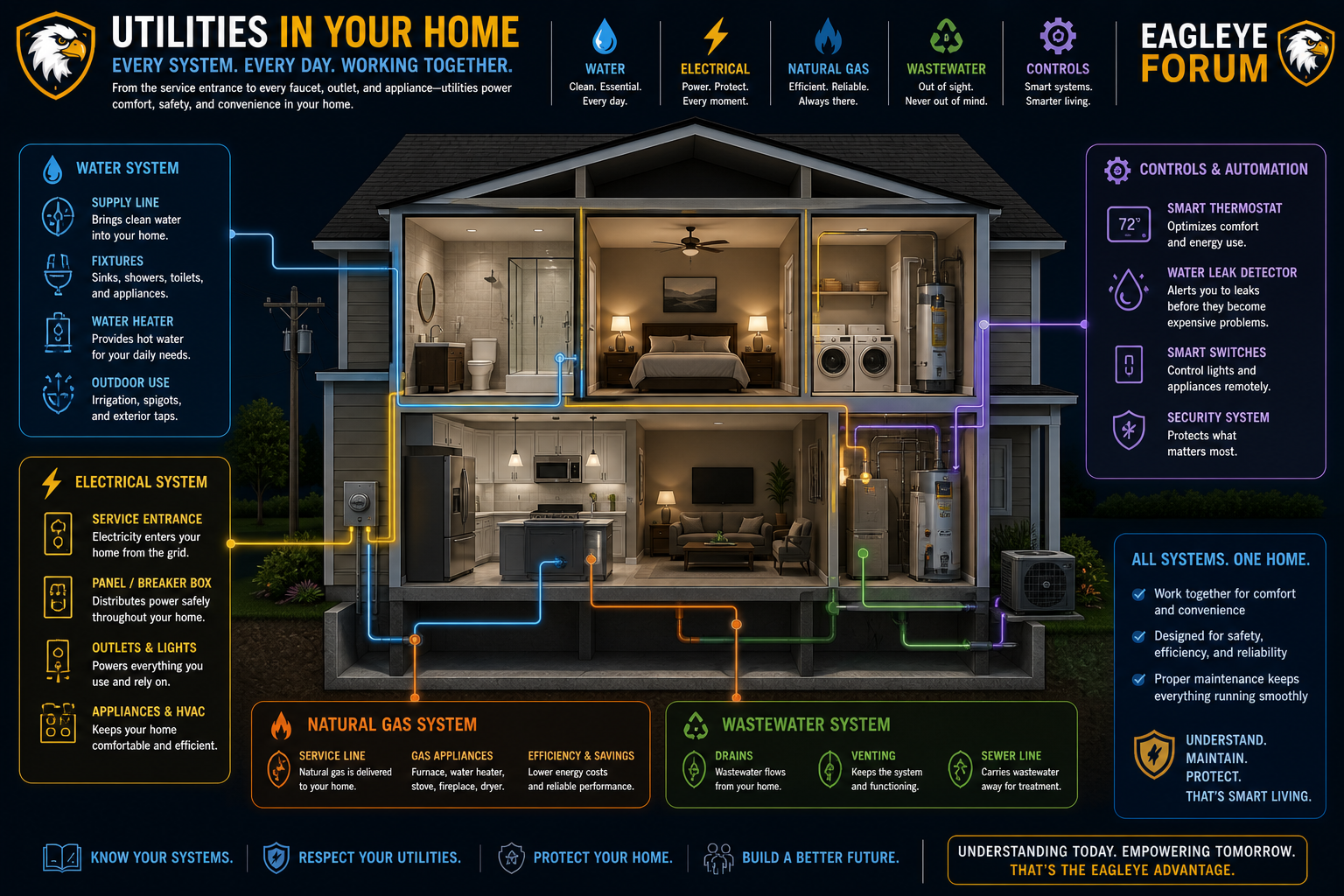
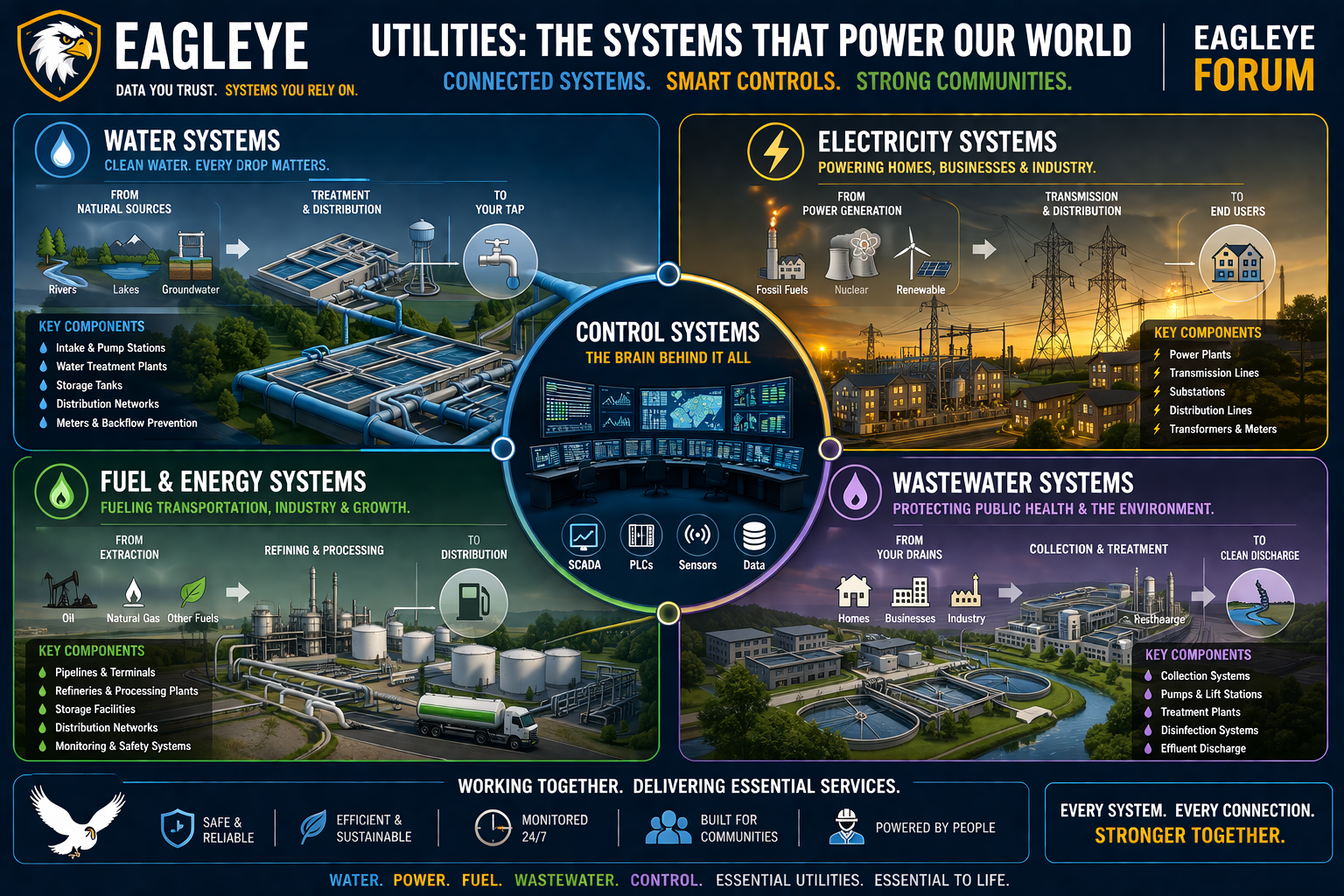
Every modern system we rely on—clean water, electricity, fuel, and wastewater treatment—depends on complex utility infrastructure working behind the scenes.
Most people never see it.
Even fewer understand it.
But these systems are what:
- Deliver clean water to your tap
- Power your home and devices
- Fuel transportation and industry
- Safely remove and treat waste
And at the center of all of it?
Control systems — the brains that keep everything running safely and efficiently.
Why This Matters
Understanding utilities isn’t just for engineers or operators.
It helps you:
- Think critically about infrastructure
- Understand real-world systems (not just theory)
- Build valuable technical skills
- Prepare for careers in trades, engineering, or operations
The Core Utility Systems
Water Systems
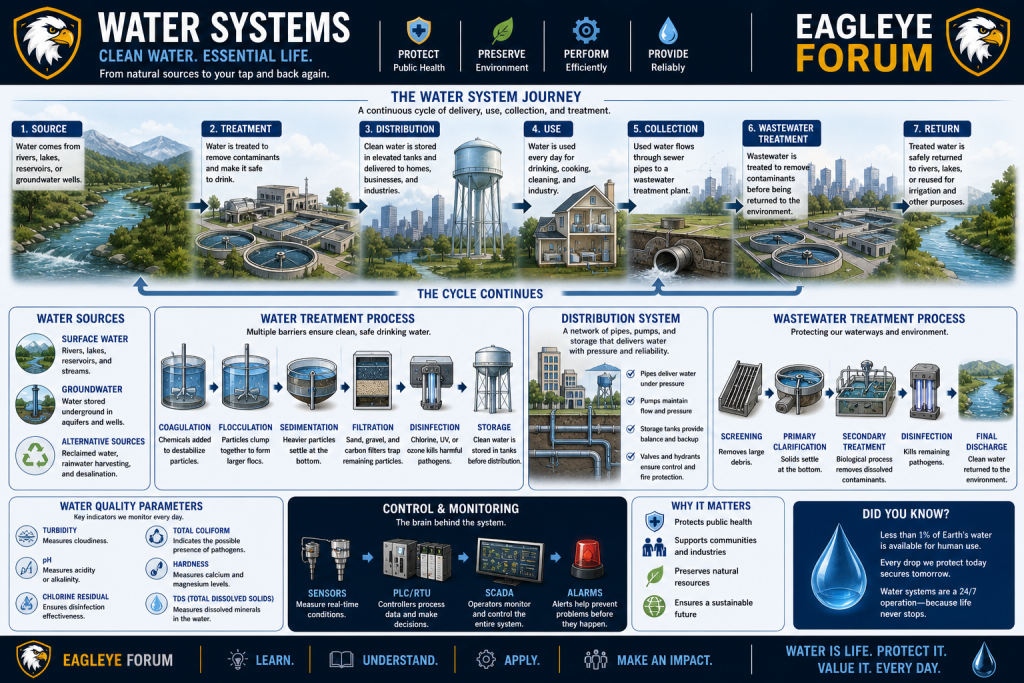
Where does our water come from, and where does it go?
Water doesn’t just appear when you turn on a faucet.
It comes from:
- Surface water (rivers, lakes, reservoirs)
- Groundwater (aquifers, wells)
- Recycled/reclaimed water systems
Then it is:
- Treated → distributed → used → collected → treated again
Explore more:
Electrical Systems
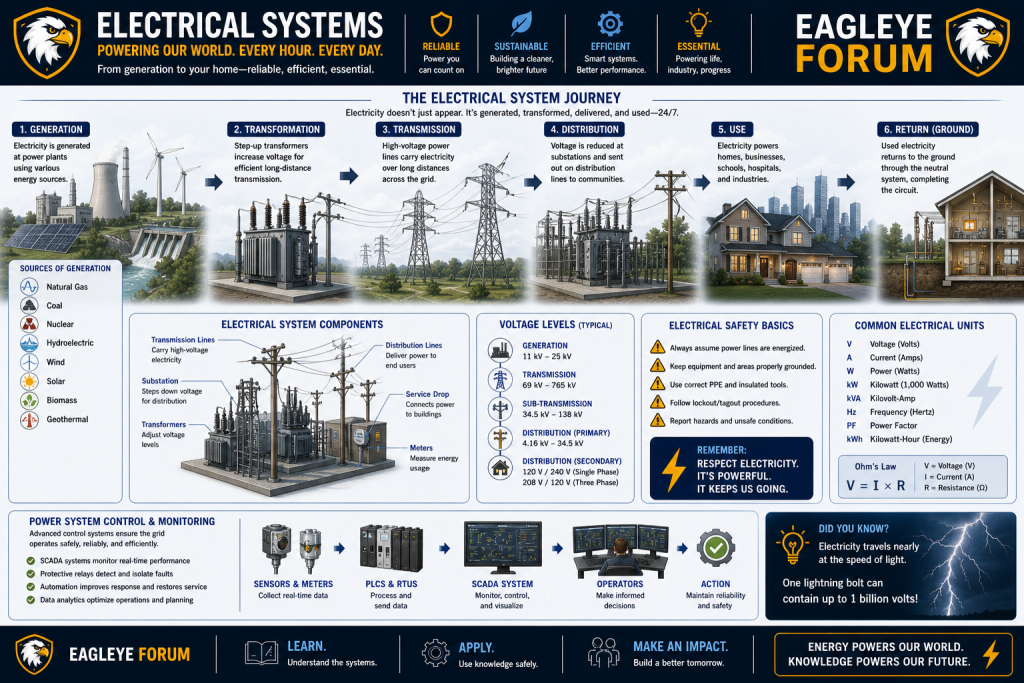
Powering everything you touch
Electricity is generated from:
- Fossil fuels
- Nuclear energy
- Renewable sources (solar, wind, hydro)
Then it moves through:
- Generation → transmission → distribution → end use
Explore more:
Fuel Systems
What keeps the world moving
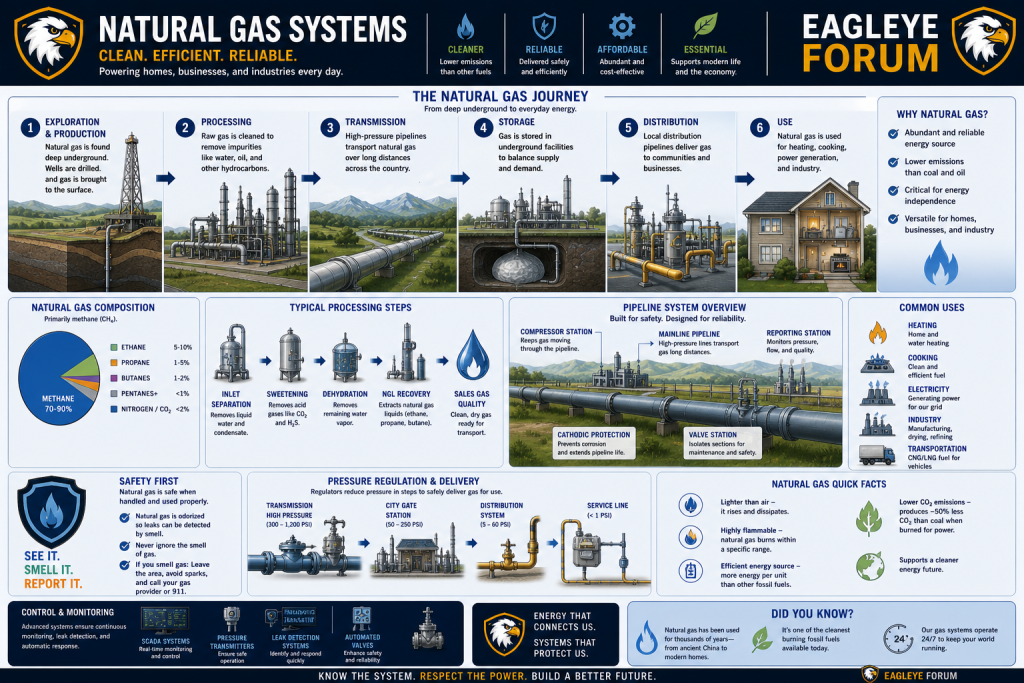
Fuel systems include:
- Oil and gasoline
- Natural gas
- Alternative fuels
These systems involve:
- Extraction → refining → storage → distribution
Explore deeper:
Wastewater Systems
The system nobody sees—but everyone depends on
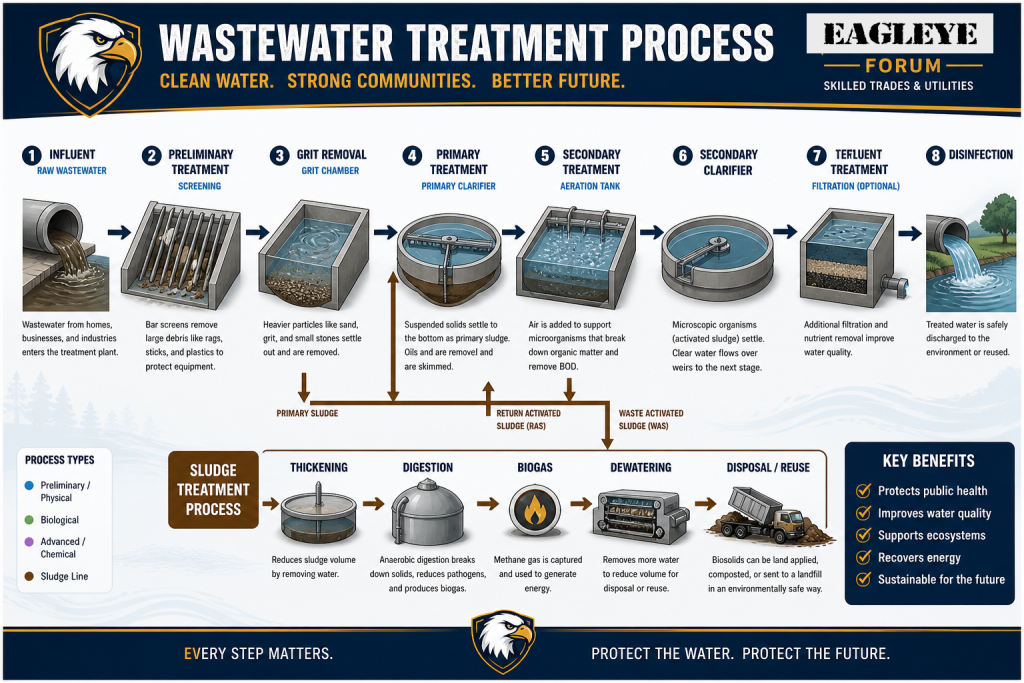
Every time you:
- Flush a toilet
- Drain a sink
- Run a washing machine
You’re contributing to a system that must:
- Remove contaminants
- Protect the environment
- Prevent disease
Explore deeper:
The Brain Behind It All: Control Systems
What Are Control Systems?
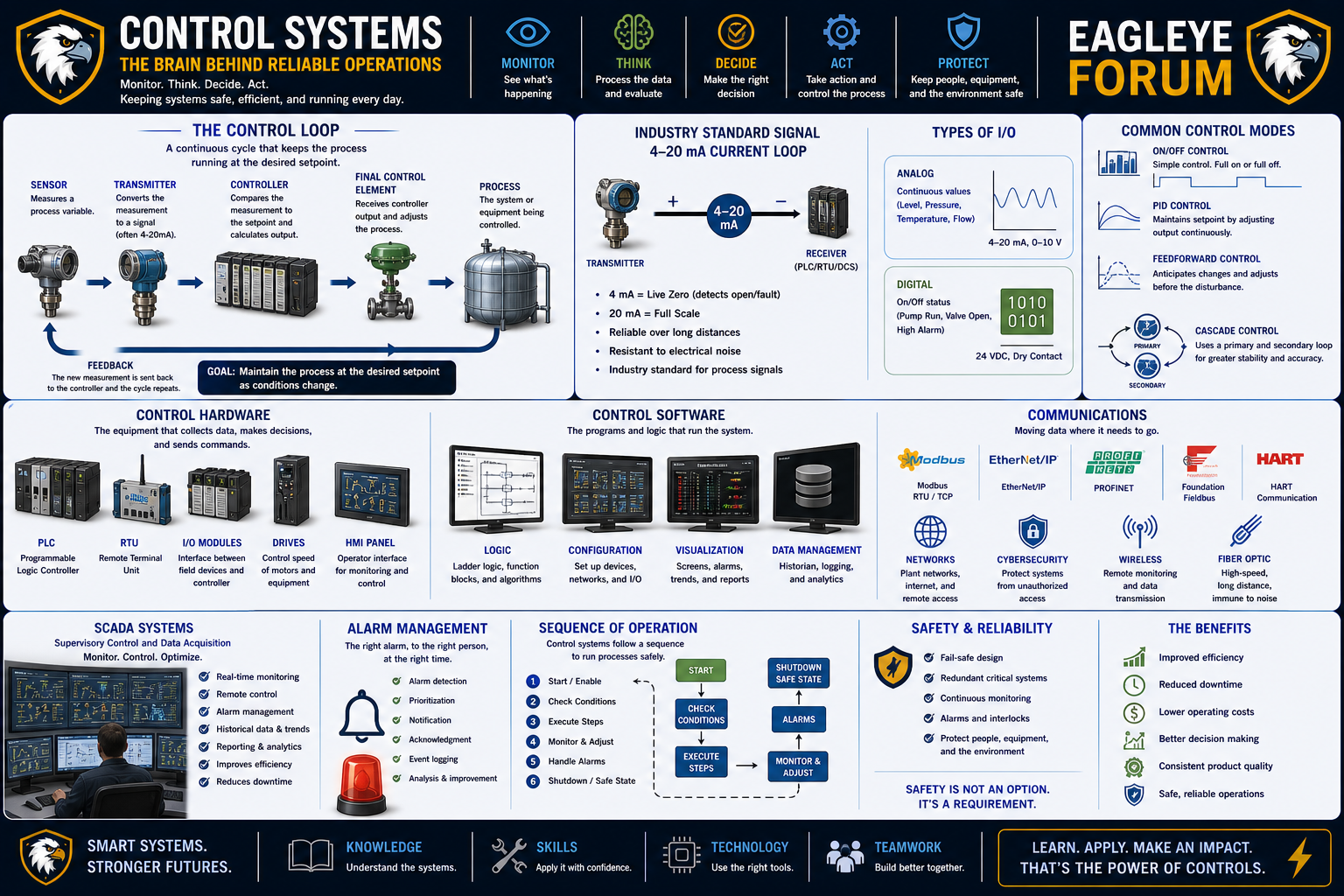
Control systems are what allow utilities to:
- Monitor conditions
- Adjust processes
- Maintain stability
- Prevent failure
Without them, utilities would be:
- Unsafe
- Inefficient
- Unreliable
4–20 mA Current Loop Systems
The industry standard for control signals
One of the most important control methods in utilities is the 4–20 mA signal.
Why it matters:
- Reliable over long distances
- Resistant to electrical noise
- Detects system failures
How it works:
- 4 mA = minimum signal (not zero → detects faults)
- 20 mA = maximum signal
Example:
- Tank level sensor
- Flow meter
- Pressure transmitter
Explore deeper:
SCADA Systems
Supervisory Control and Data Acquisition
These systems:
- Monitor plant conditions in real time
- Control equipment remotely
- Store data for analysis
Used in:
- Water plants
- Wastewater facilities
- Power grids
- Industrial systems
PLCs (Programmable Logic Controllers)
PLCs act as:
- The decision-making units
- The automation controllers
They:
- Receive signals
- Process logic
- Control outputs
How It All Connects
Every utility system follows a similar pattern:
Input → Process → Output → Control
Example (Wastewater):
- Input → Raw sewage
- Process → Treatment stages
- Output → Clean effluent
- Control → Sensors + SCADA + operators
This same concept applies to:
- Water treatment
- Electrical grids
- Fuel systems
Why Utilities + Controls Go Together
You can’t understand one without the other.
Utilities = physical systems
Controls = intelligence behind them
Together they create:
- Efficiency
- Safety
- Reliability