
Origins of Electricity: History, Power, Safety, and Modern Use
Electricity is one of the most important forces in the modern world. It powers our homes, businesses, tools, machines, communication systems, hospitals, transportation systems, and nearly every piece of technology we depend on today.
This page introduces the origins of electricity, the key people who helped advance it, how electrical power is produced and delivered, and why understanding electrical systems is still important for technicians, homeowners, students, and skilled trades workers.
What Is Electricity?
Electricity is a form of energy caused by the movement or buildup of electrical charge. There are two basic types:
Static electricity is the buildup of charge on a surface. A common example is the shock you feel after walking across carpet and touching metal.
Current electricity is the flow of electrical charge through a conductor, such as a wire. This is the type of electricity used to power lights, motors, appliances, tools, computers, and control systems.
Early Discoveries
The study of electricity began thousands of years ago. Ancient Greeks noticed that rubbing amber, a fossilized tree resin, could attract small objects. This was an early observation of static electricity.
Over time, scientists and inventors began turning these observations into real discoveries.
Key Figures in the Advancement of Electricity
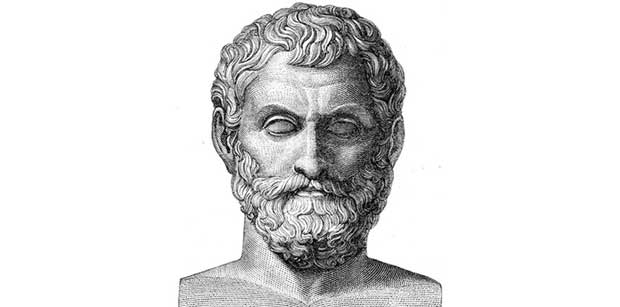
Thales of Miletus
Thales was a Greek philosopher and is often credited as one of the first people to recognize static electricity in nature. His observations helped start the long road toward understanding electrical charge.
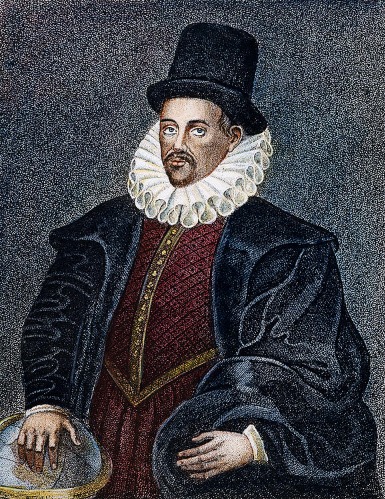
William Gilbert
In 1600, English physician William Gilbert used the term electricus to describe the attractive force created when certain materials were rubbed together. His work helpedgive electricity its name.
Otto von Guericke
In 1660, Otto von Guericke developed an early electrostatic generator, allowing people to produce static electricity more intentionally.
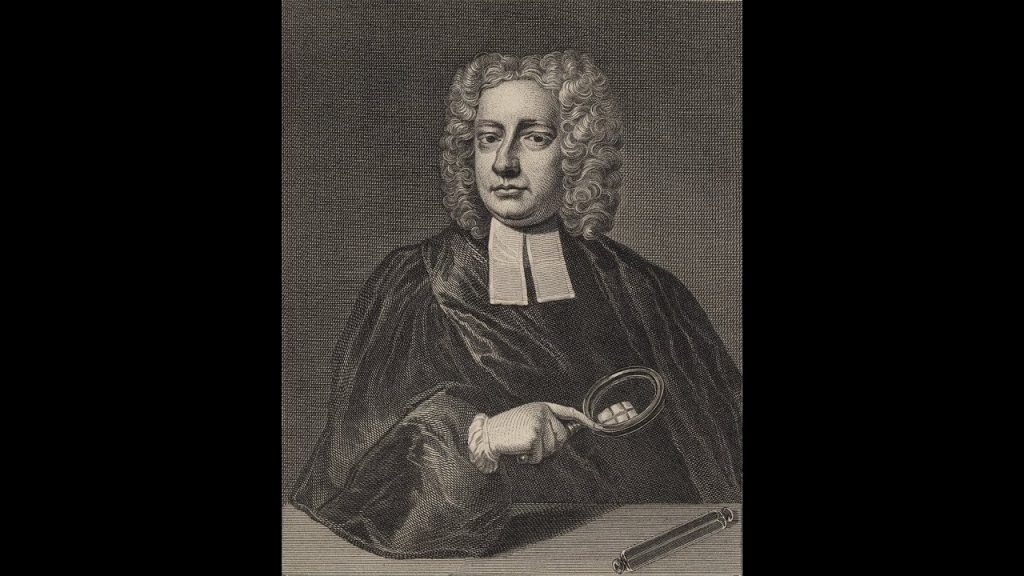
Stephen Gray
In 1729, Stephen Gray discovered that electricity could be conducted through certain materials. This helped establish the difference between conductors and insulators.
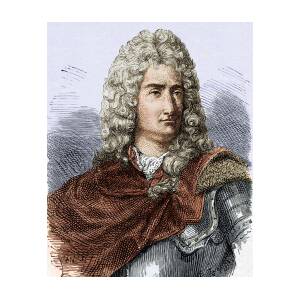
Charles François du Fay
In 1733, du Fay discovered that electricity appeared in two forms, later understood as positive and negative charge.
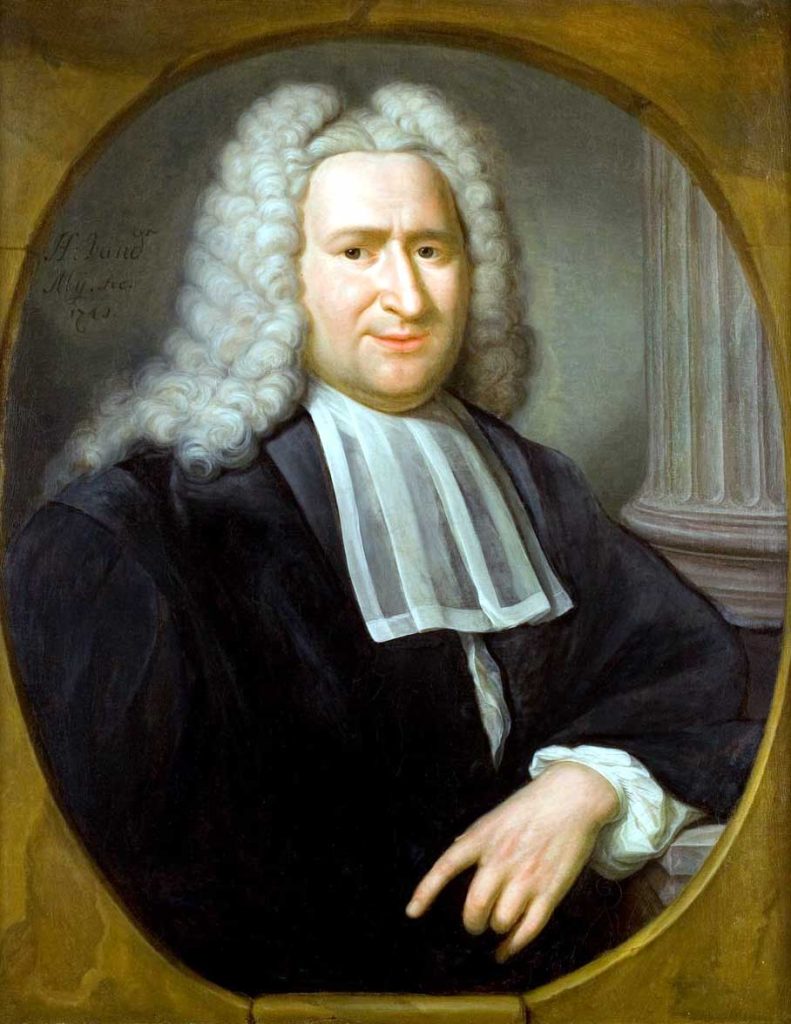
Pieter van Musschenbroek and the Leyden Jar
In the mid-1700s, the Leyden jar was developed as an early device for storing static electricity. It was one of the first forms of an electrical capacitor.
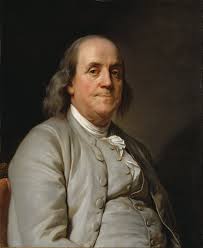
Benjamin Franklin
In 1752, Benjamin Franklin famously demonstrated that lightning and electrical sparks were related. His work helped connect electricity in nature with electricity produced in experiments.
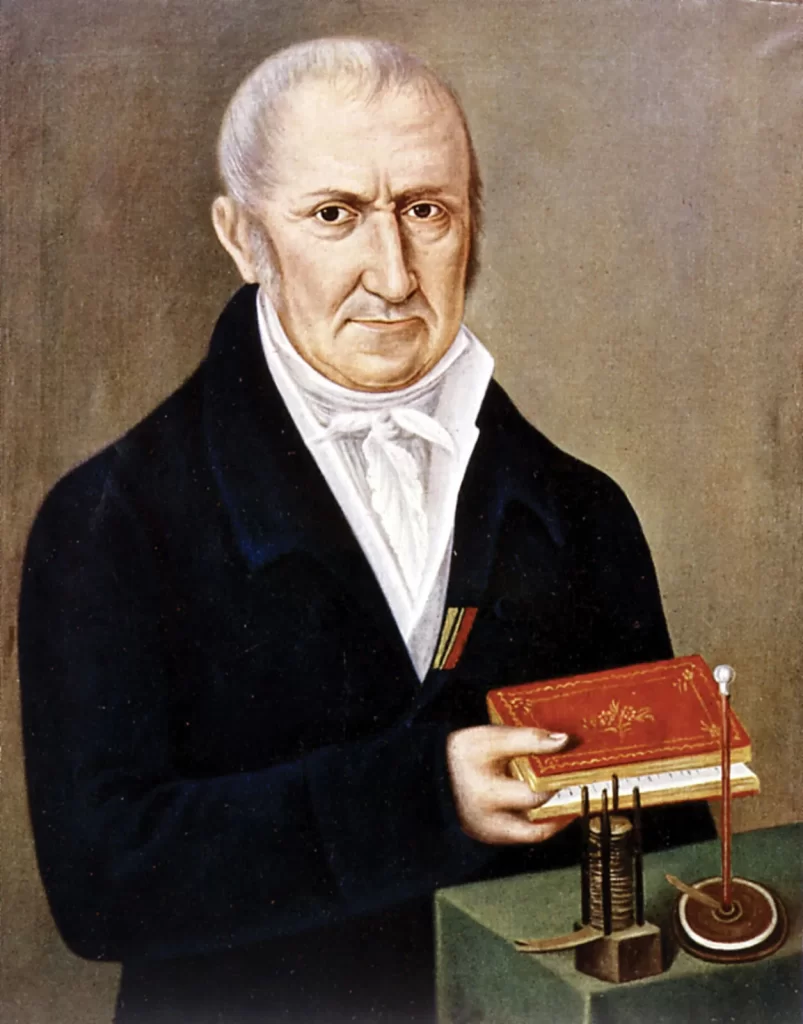
Alessandro Volta
Alessandro Volta created the voltaic pile, an early battery that produced a steady electrical current. The unit volt is named in his honor.
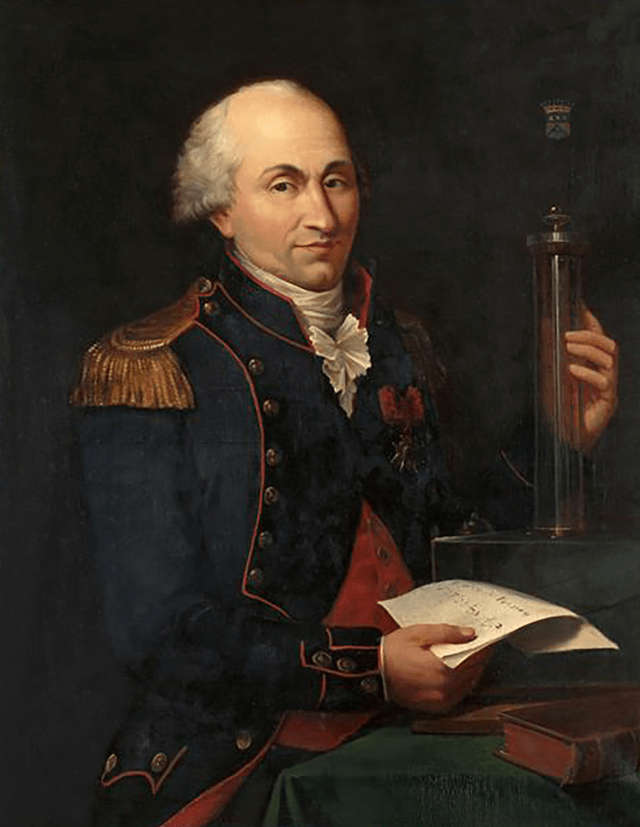
Charles-Augustin de Coulomb
Coulomb developed important laws describing the force between electrical charges. The unit coulomb is named after him.

Hans Christian Ørsted
In 1820, Ørsted discovered that electric current produces a magnetic field. This discovery helped connect electricity and magnetism.
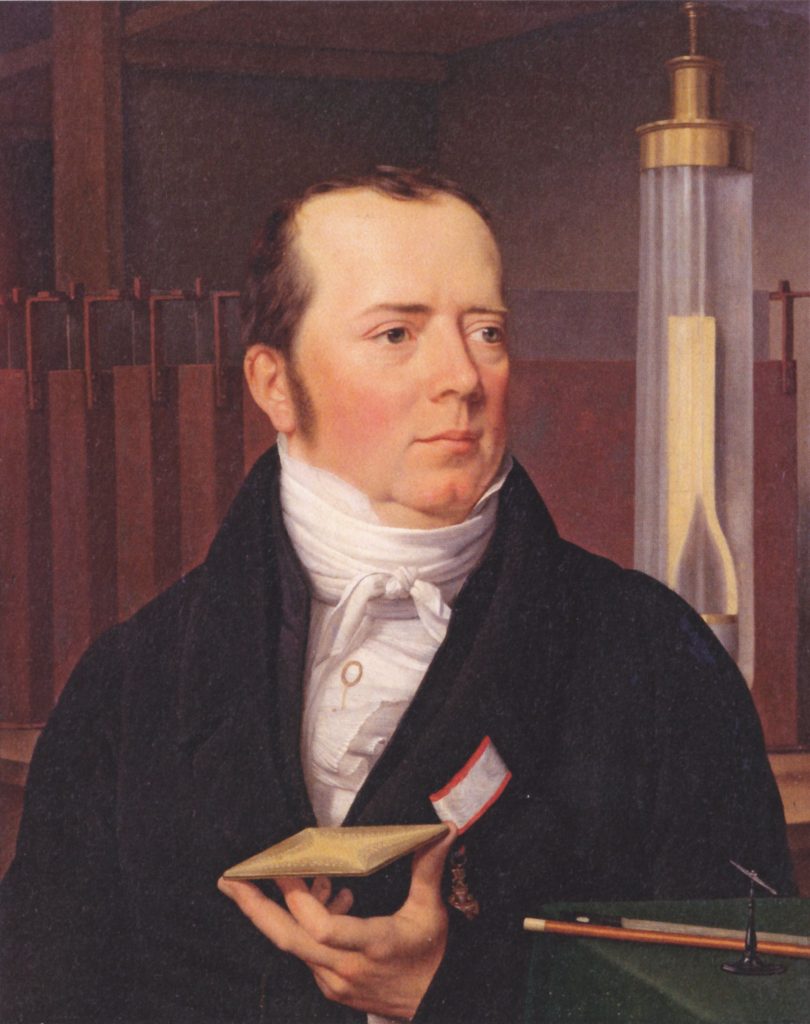

André-Marie Ampère
Ampère helped develop the science of electromagnetism. The unit ampere, or amp, is named after him and is used to measure electrical current.
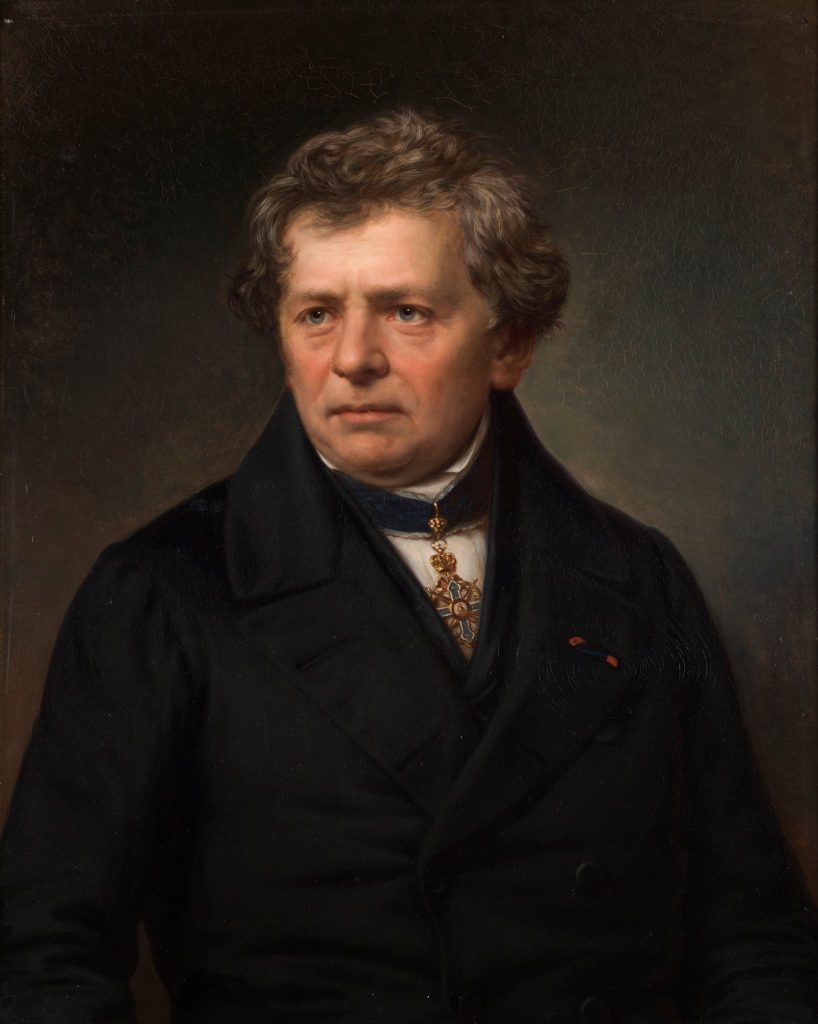
Georg Ohm
In 1827, Ohm developed Ohm’s Law, one of the most important formulas in electrical work. The unit ohm is named after him and measures resistance.

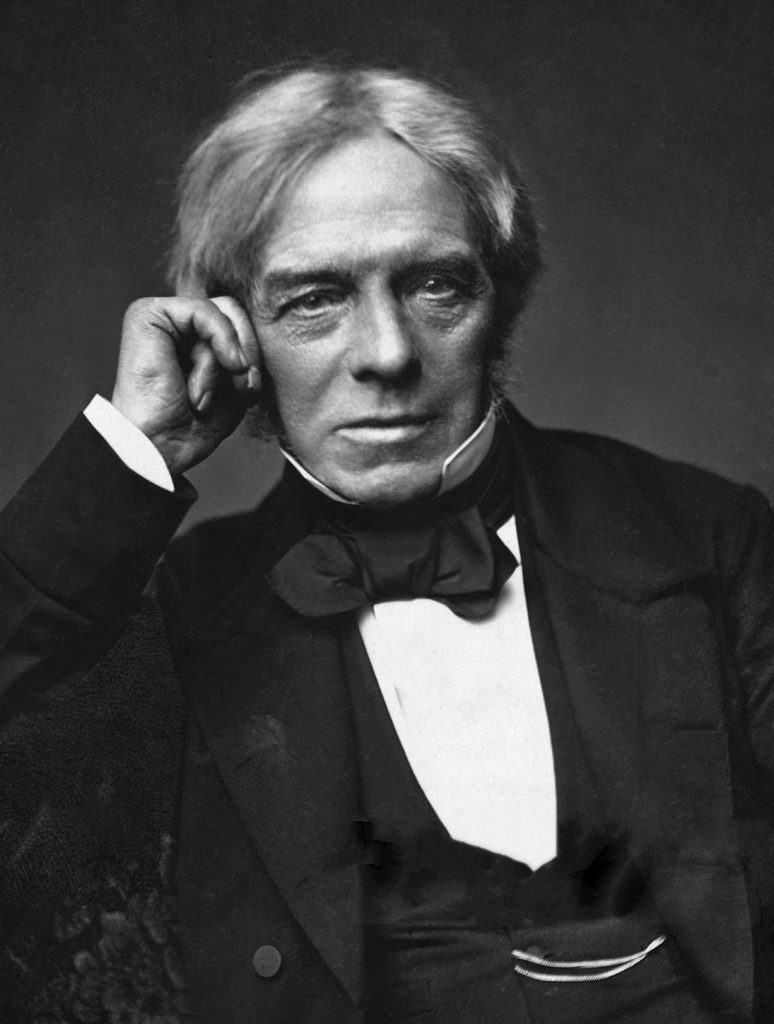
Michael Faraday
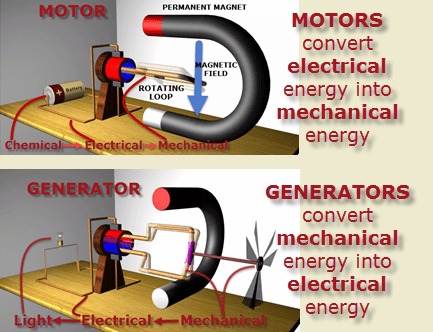
In 1831, Faraday created an early electric generator, showing that moving a magnet through a coil of wire could produce electrical current. This principle still powers much of the world today.
Faraday cages are conductive enclosures used to block external static and non-static electric fields by redistributing charges across the enclosure and sparing the compenets within.
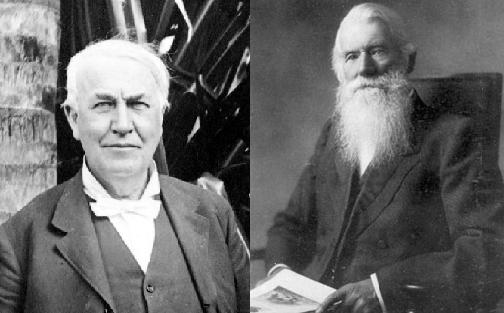
Thomas Edison and Joseph Swan
Edison and Swan helped make practical electric lighting possible through the development of the incandescent light bulb. Edison also promoted direct current power systems.
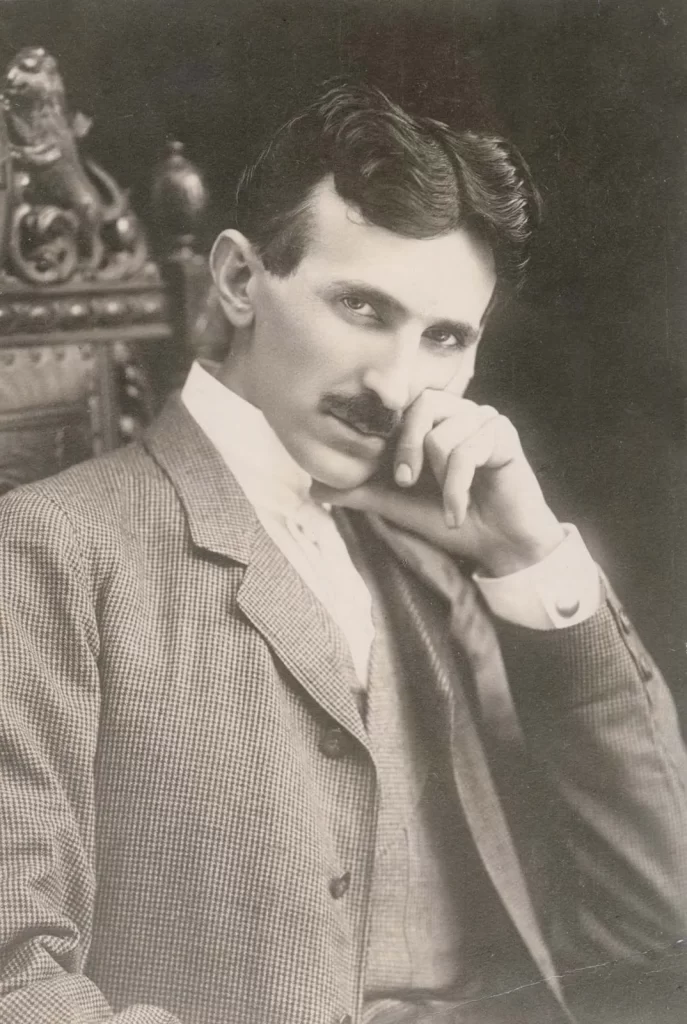
Nikola Tesla
Tesla advanced alternating current, AC motors, and polyphase power systems. His work helped shape the modern electrical grid.
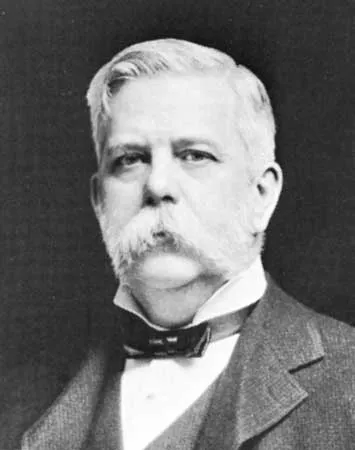
George Westinghouse
Westinghouse supported and developed Tesla’s AC system, helping prove that alternating current was better suited for long-distance power distribution.
James Watt
James Watt improved the steam engine and helped advance industrial power. The unit watt, used to measure power, is named after him.
Ohm’s Law: A Core Electrical Formula
Ohm’s Law is still one of the most important tools in electrical testing and troubleshooting.
Voltage = Current × Resistance
Common forms include:
V = I × R
I = V ÷ R
R = V ÷ I
Power formulas are also important:
Watts = Volts × Amps
Amps = Watts ÷ Volts
For example, a 1,500-watt space heater on a 120-volt circuit draws about 12.5 amps.
That matters because a 15-amp circuit should not be loaded continuously beyond 80%, which is about 12 amps. This is why high-draw appliances like space heaters, microwaves, refrigerators, and other heavy loads often need dedicated circuits.
How Electricity Is Produced
Electricity is a secondary energy source. That means it is produced by converting another source of energy into electrical energy.
Common energy sources include:
Coal
Natural gas
Nuclear energy
Hydroelectric power
Wind
Solar
Geothermal
Biomass
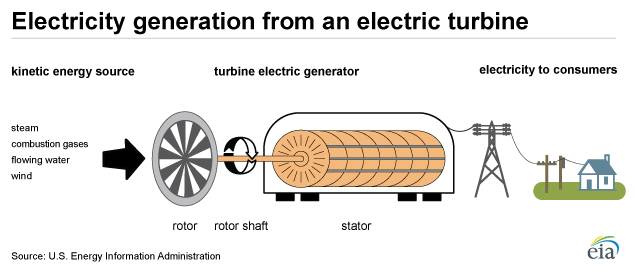
Most large power plants use turbines. A turbine spins a generator. Inside the generator, magnets move near coils of wire, causing electrons to move. That movement creates electrical current.
A simple way to remember it:
Magnets + copper wire + motion = electricity
The source may change, but the principle is often the same. Coal, natural gas, nuclear, hydro, wind, and diesel generators can all produce electricity by spinning a generator.
How Electricity Gets to Your Home
After electricity is produced, transformers increase the voltage so power can travel long distances more efficiently.
From there, electricity moves through:
Power plants
Transmission lines
Substations
Distribution lines
Pole-mounted or pad-mounted transformers
Service drops
Meters
Main electrical panels
Breakers or fuses
Branch circuits
Outlets, switches, lights, and equipment
The electrical grid connects power plants, substations, and distribution systems so electricity can be moved where it is needed.
In the United States, the three major power grids are:
Eastern Interconnection
Western Interconnection
Texas Interconnection
Electricity: Production, Distribution, and Safety
Electricity is both a fundamental part of nature and one of the most widely used forms of energy in the modern world. It powers nearly every system we rely on—from homes and HVAC systems to industrial controls and national infrastructure.
Electricity as an Energy Source
Electricity is a secondary energy source, meaning it is created by converting primary energy sources such as:
- Coal
- Natural gas
- Nuclear energy
- Solar
- Wind
- Hydroelectric
Because it can be converted into other forms like mechanical energy, heat, or light, electricity is often referred to as an energy carrier.
Primary energy sources may be renewable or nonrenewable—but electricity itself is neither—it is the result of conversion.
U.S. Electricity Generation (Reference Data)
Based on available data:
- ~65% from fossil fuels
- Coal: 30.4%
- Natural Gas: 33.8%
- Other: <1%
- ~20% from nuclear energy
- ~15% from renewables
- Hydro: 6.5%
- Wind: 5.6%
- Biomass: 1.5%
- Solar: 0.9%
- Geothermal: 0.4%
- Additional small-scale solar contributes billions of kWh annually.
How Electricity Is Generated
Electricity is produced using turbine-driven generators.
Most systems follow the same core principle:
Magnets + Copper Wire + Motion = Electric Current
- Energy (steam, gas, wind, water, etc.) spins a turbine
- The turbine turns a generator
- Magnets rotate inside coils of wire
- This motion causes electrons to move → producing electricity
Regardless of the source, the output electricity is the same.
The Power Grid & Distribution
Electricity travels from generation to your home through a connected system called the power grid.
Major U.S. Grids:
- Eastern Interconnection
- Western Interconnection
- Texas Interconnection (ERCOT)
(Alaska operates smaller, isolated grids)
How Power Reaches You:
- Generation (Power Plant)
- Step-Up Transformers (increase voltage for distance)
- Transmission Lines (long-distance travel)
- Substations (reduce voltage)
- Distribution Lines (local delivery)
- Pole/Pad Transformers (final voltage reduction)
- Service Drop → Meter → Panel
- Branch Circuits → Outlets & Equipment
The grid allows power plants to support each other. If one facility cannot meet demand, another supplies the deficit.
Instant Availability
Electricity appears instant at the switch, regardless of distance. Whether power is generated nearby or miles away, the grid maintains continuous supply.
Understanding Circuits
Electricity flows in a closed circuit:
- Closed circuit → electricity flows
- Open circuit → flow stops
Example:
- Turning a light switch on closes the circuit
- Turning it off opens the circuit
Electrical Safety
Electricity is dangerous and must always be respected.
Key Safety Principles:
- Always assume circuits are energized
- Verify with a meter before working
- De-energize whenever possible
- Avoid water and wet conditions
- Inspect tools and cords before use
- Never trust wire color alone
- Remove metal jewelry
- Avoid metal ladders near circuits
Important Reality:
Electricity can shock, burn, or kill—even at relatively low voltages.
Your body is mostly water, making it a strong conductor. Electrical current can cause:
- Muscle contraction
- Internal burns
- Cardiac arrest
- Severe injury or death
Jobsite Awareness
Before starting work:
- Check for overhead lines
- Identify underground utilities (call before digging)
- Watch for hidden conductors behind structures or trees
- Maintain distance from energized systems
Best Practices
- Turn power off and test before touching
- Use proper insulation or grounding
- Avoid extension cords unless rated and protected
- Replace damaged cords immediately
- Keep work areas dry
Wire Color Basics (General Reference)
Ground:
- Green / Green-Yellow / Bare
AC Systems:
- Black or Red → Hot
- White or Gray → Neutral
DC Systems:
- Red → Positive
- Black → Negative
3-Phase (varies by system):
- L1 → Blue or Brown
- L2 → Red or Orange
- L3 → Blue or Yellow
Control Systems (Generalized):
- Power → Black / Red / White
- Signal → Blue / Violet
- Sensors → Orange / Yellow
- Coils → Brown / Red
Always verify with drawings and a meter—color codes are not guaranteed.
Why This Matters
Electricity is often taken for granted, but it is the backbone of:
- HVAC systems
- Water and wastewater systems
- Industrial automation
- Control systems (4–20 mA, PLCs, SCADA)
- Homes and commercial buildings
Without electricity, modern life as we know it would not exist.
If you are looking to understand current loop and why most industries use 4-20mA, check out this page;