
Modern civilization is powered by energy systems that most people rarely think about. Every light switch, manufacturing plant, hospital, water treatment facility, commercial building, and transportation network depends on a complex web of fuels, electricity, power generation, storage, transmission, distribution, and control systems working together behind the scenes.
This section explores the technologies that produce, store, distribute, and manage energy. From fossil fuels and renewable sources, to electrical generation, substations, transformers, instrumentation, current loop systems, automation, and modern control technologies, these articles explain how energy is converted from its source into usable power that keeps homes, businesses, industries, and critical infrastructure operating every day.
You’ll also discover how different energy sources compare, how electrical grids maintain reliability, how industrial facilities monitor and optimize energy consumption, and how emerging technologies are reshaping the future of power generation and sustainability. By understanding both traditional and renewable energy systems, you’ll gain a broader perspective on the engineering decisions that balance efficiency, reliability, safety, environmental impact, and economic cost.
Whether you’re beginning your journey into facility operations, pursuing a career in the skilled trades, preparing for technical certifications, or simply expanding your engineering knowledge, understanding energy is one of the most valuable foundations you can build. Nearly every mechanical, electrical, industrial, and utility system relies on the principles covered throughout this section, making energy one of the most important subjects in modern engineering and infrastructure.

⛽ A look into all the different sources of fuel
Understanding fuel sources begins with understanding where energy comes from. From fossil fuels buried deep beneath the Earth to renewable resources powered by the sun, wind, and water, every fuel has its own advantages, limitations, and role in modern society. This article explores the major energy sources that power our homes, industries, transportation, and electrical grid, explaining how they work and why they remain essential to everyday life.
⚡ Origins of Electricity
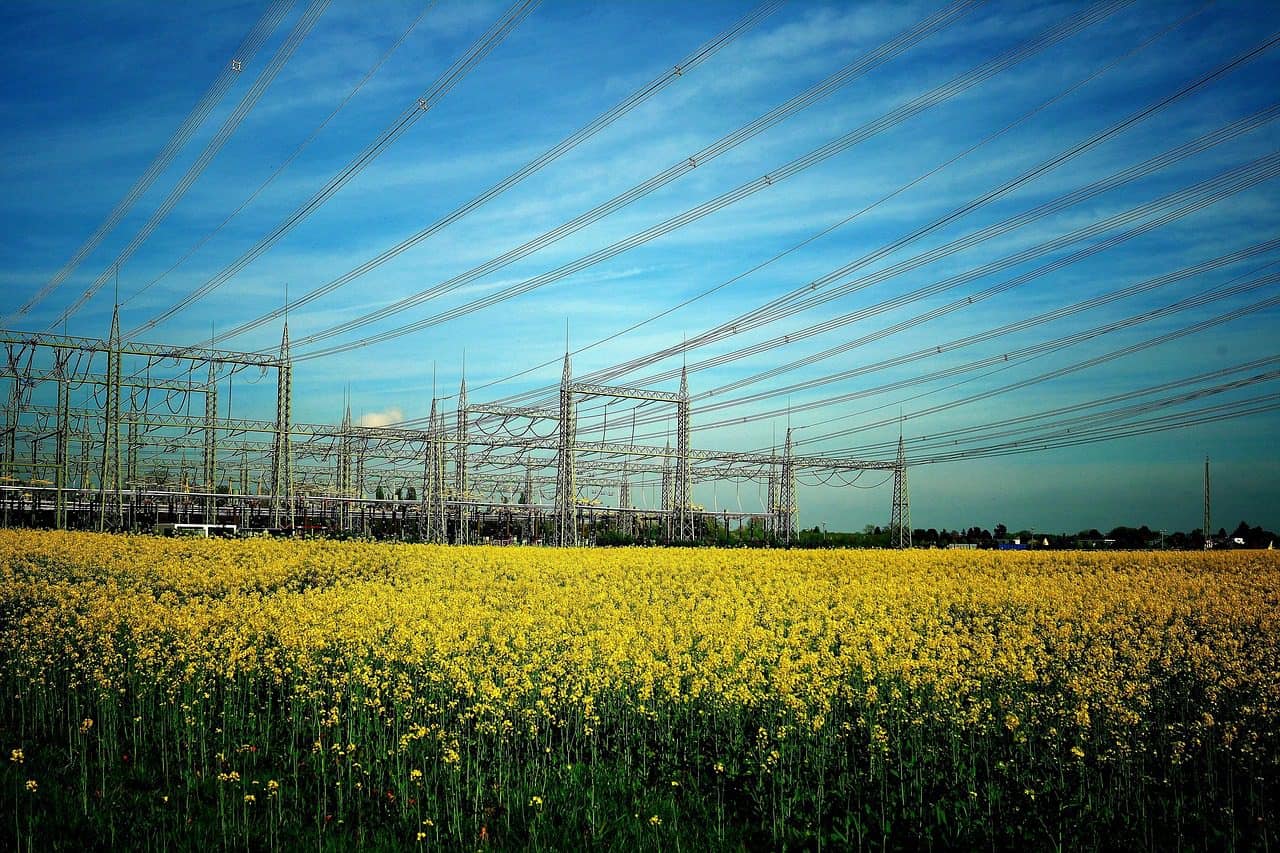
Electricity did not emerge from a single discovery but through centuries of observation, experimentation, and innovation. From the earliest studies of static electricity to the groundbreaking work of scientists and inventors who developed practical electrical systems, each breakthrough helped shape the modern world. This article explores the origins of electricity and the key individuals whose discoveries laid the foundation for today’s electrical power generation, transmission, and technology.

🌞 Solar Energy
Solar energy is one of the fastest-growing renewable energy sources in the world. By capturing sunlight and converting it into electricity or heat, solar power provides a clean, sustainable alternative to fossil fuels. From rooftop panels on homes to massive solar farms supplying the electrical grid, this abundant energy source helps reduce emissions while harnessing a resource that is available every day.