
#13 Millard Fillmore- The Compromising President

1/7/1800 – 3/8/1874
Party: Whig
Timeline; 1850-1853
Fillmore started work in a law office at an early age, being admitted to the bar in 1823. Entering politics in 1828, he served in the New York assembly (1829-1832) and eventually won a spot in congress as New York’s 32nd district representative (1833-1835) and again (1837-1843). Then he went on to be the first comptroller of New York (1848-1849) before he was put on the ballot with General Taylor as Taylor’s Vice President which he served from 1848 until Taylor’s passing in 1850, where he took over office during the Crisis of 1850.
1850;
- Fillmore is sworn in at the age of 50 after Taylor’s untimely death. He becomes the 13th President of the Union
- California (free) becomes the 31st state
- Fillmore signs Fugitive Slave Act
- Congress passes the Compromise of 1850, with Fillmore’s support
- Fillmore names Brigham Young President of Mormon church, Young leads thousands from Illinois to Utah Valley
1851;
- U.S. ratifies first commercial treaty with El Salvador
- First installment of Uncle Tom’s Cabin comes out, which some believe is a book that helped raise tensions into the Civil War era
- Gold is found in Oregon along the Rogue River prompting thousands to go.
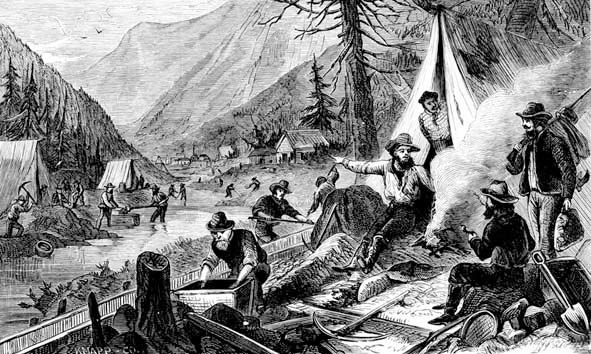
ROGUE RIVER OREGON GOLD RUSH
1852;
- Uncle Tom’s Cabin is published
- Rail service from New York to Chicago is under construction
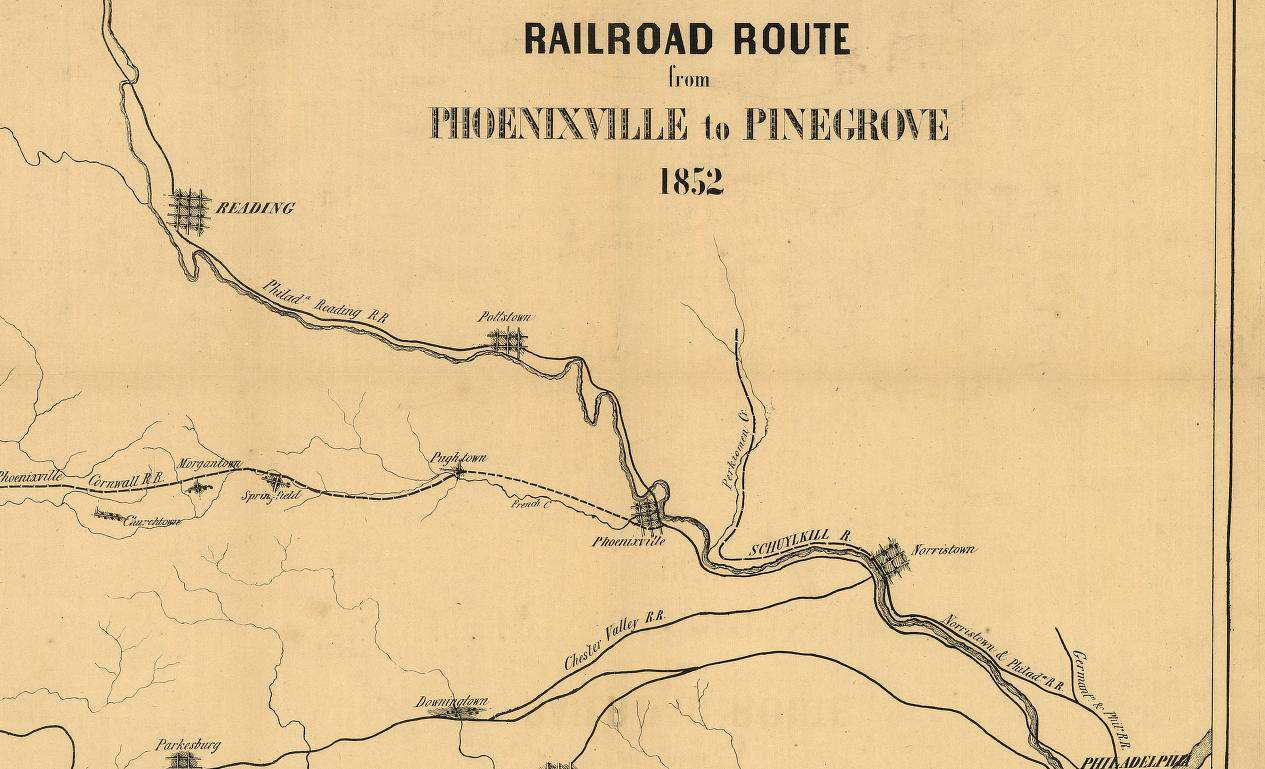
1852 RAIL SERVICE
1853;
- Fillmore sent the Navy to force Japan into trade talks
- The territory of Washington is formed after its separation from the Oregon territory
- Congress authorizes Transcontinental railroad survey
Fillmore’s insistence on federal enforcement of the Fugitive Slave Act of 1850 alienated the North and helped lead him to being the last Whig President, and the last President that didn’t fall under Democrat or Republican. Fillmore approved the Compromise of 1850, allowing slavery in the South. But neither North nor South were happy with it, and Fillmore was blamed for the law’s failure which is why he only served that one term, although he did run again in 1856 for the anti-immigrant “Know-Nothing Party“, which he lost. He retired to Buffalo, becoming a leader in the city’s civic and cultural life. With his health on a decline, he died in 1874 due to the aftereffects of a stroke.
Famous Quotes:
“Nothing brings out the lower traits of human nature like office-seeking. Men of good character and impulses are betrayed by it into all sorts of meanness.”
“May God save the country, for it is evident that the people will not.”
“Let us remember that revolutions


