
Human societies are built on systems: governments, institutions, laws, and cultural ideas that shape how people live and interact. Yet many of these systems are rarely examined beyond headlines or political slogans.
This section explores the deeper mechanics behind society. Here you will find discussions on political structures, historical patterns of power, corruption, governance, and the philosophies that influence how civilizations evolve.
Rather than focusing on outrage or partisan narratives, these articles aim to step back and analyze the broader systems at work. History shows that many of the same patterns repeat across generations, and understanding those patterns can provide valuable perspective on the present.
If you are interested in examining society through a lens of critical thinking, historical context, and systemic analysis, this section is a place to begin.
U.S. Politics and Presidents
- Political History of the World
- Founding Fathers
- U.S. Presidents
- Constitution
- Editorials
Major League Sports
Major professional sports leagues differentiate from other sports leagues by popularity, quality, business and economic factors.
The four major brands have strict rules regarding who may own a team, for example; they generally do not allow anyone to have stakes in more than one franchise of the same sport, citing conflict of interest. This rule was implemented due to high profile controversies involving ownership of Baseball and Hockey teams in the past. There have been incidents where the league even stepped in to take over teams in order to avoid the controversy, such as;
- MLB purchased the Montreal Expos, moved the franchise to Washington, D.C. and renamed it the Nationals, before selling the team to a local group.
- The NHL took over the Buffalo Sabres in 2002 after the owner was arrested for embezzlement. They sold the team the following year
- The NHL seized the Phoenix Coyotes in 2009 to prevent its owner from selling it to a buyer who intended to relocate the team, and sold the team to a Phoenix-area group in 2013.
- The NBA purchased the New Orleans Hornets from its owner in December 2010, and sold the team to the NFL’s New Orleans Saints owner Tom Benson in April 2012.
- MLB took over the operations of the Los Angeles Dodgers in 2011, citing financial and governance issues stemming from the divorce of the co-owners.
- MLS purchased Chivas USA in 2014 and folded the team after the season.
A seventh example can be found in the CFL, when the league seized the Ottawa Renegades in 2006 suspended the franchise, then sold it to be reactivated in 2014 as the Ottawa Redblacks.
The NFL has not taken over operations of any team since 1962, when the American Football League took over the nearly bankrupt Titans of New York in an effort to prevent the team from folding; in 1963, a new ownership group bought the franchise and it became the New York Jets.
Major leagues also grant territorial exclusivity to their owners to avoid marketing and revenue hits, such as a case in MLB where, in order for Nationals to be placed in Washington, Orioles were given rights to television and radio broadcast of Nationals so they did not take a big hit on their revenue bringing in a team that close. NFL is a little less reluctant since all the owners split television revenue equally, for example; when Baltimore Ravens were created, it did not affect Redskins one bit as far as monetary gains goes.

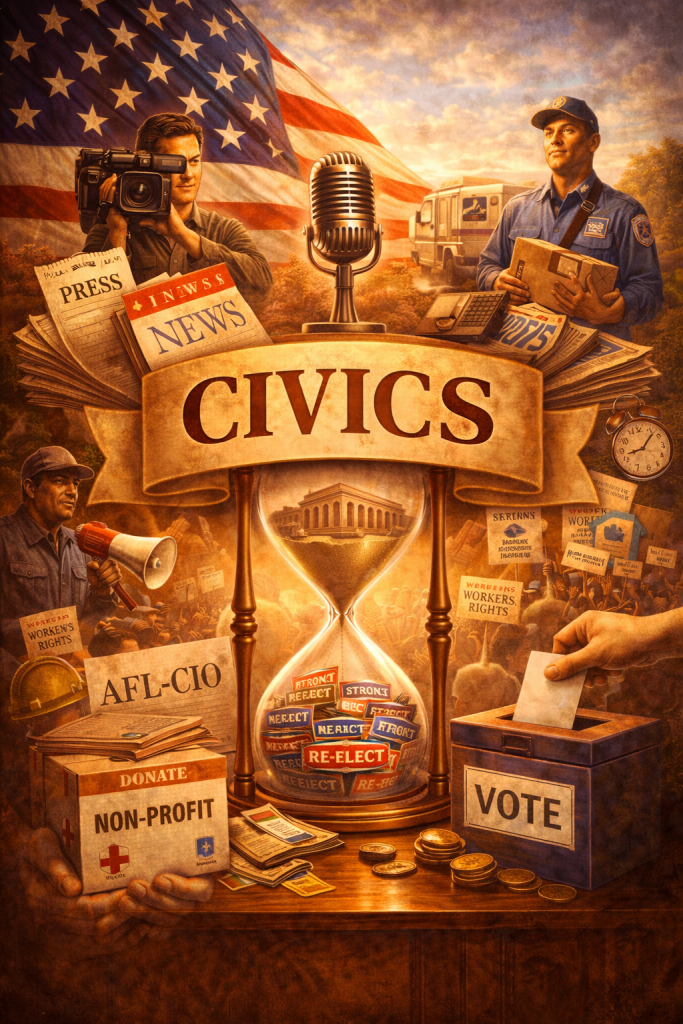
The connective tissue of society—where journalism, labor, service, and civic action shape public life beyond government walls.
Jounalism: From Watchdog to Gatekeeper