
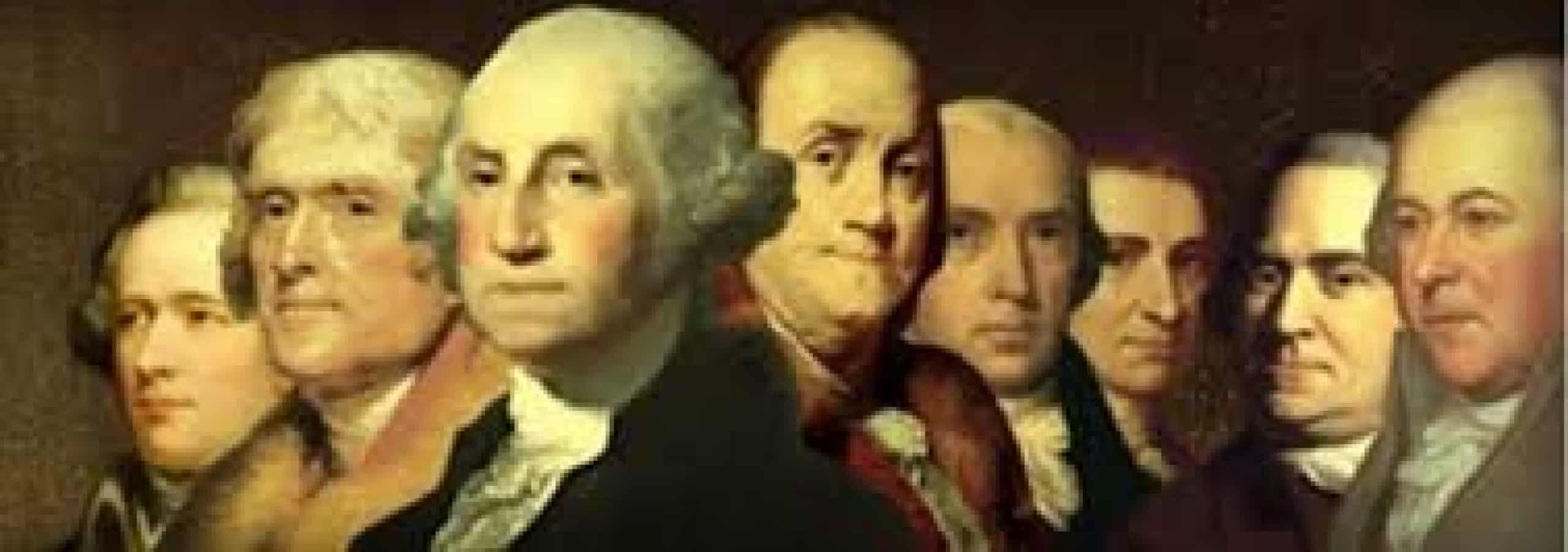
Founding Fathers and Mothers of the United States of America
Presidential Structure of the United States
The President of the United States (POTUS) is the elected head of the federal government and serves as both the Commander-in-Chief of the U.S. Armed Forces and the chief executive of the nation. As the highest office in the land, the presidency is one of the most powerful and influential positions in the world—blending military authority, economic leadership, and diplomatic strategy into a single role. The president is responsible for enforcing federal laws, overseeing the executive branch, shaping domestic and foreign policy, and guiding the country through times of peace and crisis.
Elected every four years through a national vote, the president also has the power to sign legislation into law or veto it, appoint Supreme Court justices and federal judges, and negotiate treaties with other nations (with Senate approval). Beyond policy and procedure, the president often serves as a symbol of unity, hope, and leadership, representing the voice and will of the American people on the global stage.
Since the office was first held by George Washington in 1789, each president has faced unique challenges—wars, economic downturns, civil unrest, and technological revolutions—helping to shape the trajectory of the United States and its role in the world. The presidency continues to evolve with each administration, reflecting the ever-changing political, cultural, and social landscape of the nation.
Constitutional Powers and Responsibilities
Article II of the U.S. Constitution grants the president executive power, which includes:
- Enforcing federal law
- Appointing federal officials, judges, and diplomats
- Negotiating treaties (with Senate approval)
- Issuing pardons and reprieves
- Calling or adjourning Congress during extraordinary events
- Shaping domestic and foreign policy
The president leads the executive branch and represents the United States to the world, wielding both hard power (military strength) and soft power (diplomatic and cultural influence).
Election and Term Limits
The president is indirectly elected through the Electoral College to a four-year term. Alongside the Vice President, the president is one of only two federal officials elected nationwide.
In 1951, the Twenty-Second Amendment was ratified, limiting a president to two elected terms. This followed Franklin D. Roosevelt, who was elected to four terms during the Great Depression and World War II. Before that, a two-term tradition was observed voluntarily—established by George Washington, who refused to serve a third term.
To date, 45 individuals have served in 47 presidencies, with Grover Cleveland and Donald Trump counting twice for their non-consecutive terms.
Presidents 6-10
Presidents 11-15
Presidents 16-20
Presidents 21-25
Presidents 26-30
Presidents 31-35
Presidents 36-40
Presidents 41=45