

Science Forgot the Spark: What the Fire Triangle Gets Wrong About Ignition
We’ve all memorized it: heat, fuel, air. The Fire Triangle. It’s on safety posters, in textbooks, and on every certification exam from middle school to the fire academy.
And it’s not wrong, exactly. It’s just incomplete in a way that matters.
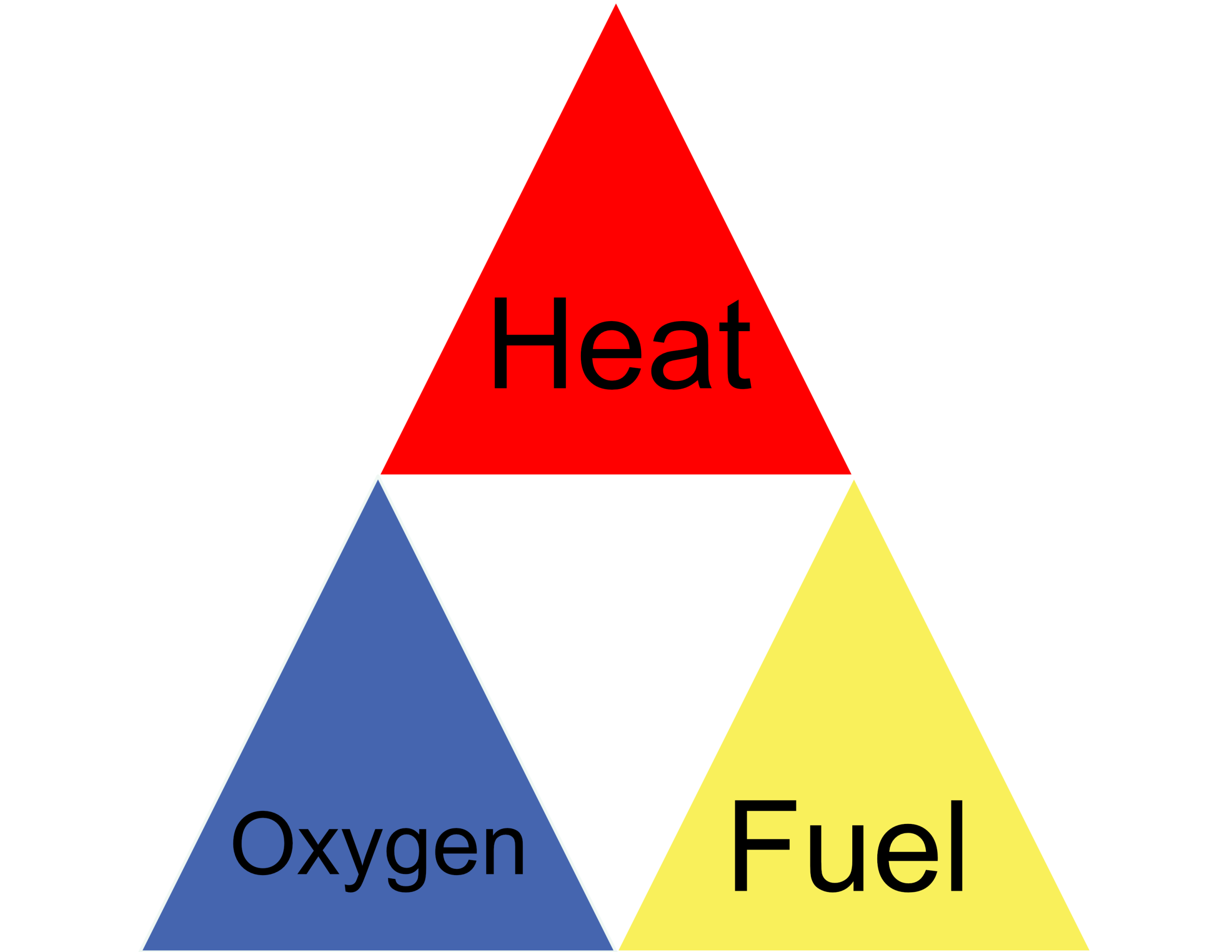
Because here’s what the triangle never explains: you can have all three of those things present, simultaneously, and still have no fire. A gas stove burner surrounded by air, soaked in fuel, in a warm kitchen — nothing happens. Not until you turn the knob and hear that click.
That click is the spark. And the spark is what the triangle leaves out.
Heat Is a Condition. Ignition Is an Event.
The triangle lumps ignition energy under “heat,” as if warmth and ignition are the same thing. They aren’t.
Heat is a state, a measure of thermal energy present in a system. Ignition is a moment, the crossing of a threshold where a chain reaction becomes self-sustaining. You can have plenty of the former without ever triggering the latter.
A metal plate heated to 400°F won’t start a fire sitting in open air. Wood left in the sun on a hot day doesn’t burst into flame. Even the conditions for spontaneous combustion, oily rags in a closed space, for example, require a slow internal buildup to a precise ignition threshold before anything actually burns. The heat creates the conditions. Something still has to trip the wire.
That something is ignition. A spark, a flame, a chemical reaction crossing its activation energy. Without it, the triangle is just a description of a room that could catch fire, not one that does.
Why the Triangle Persists Anyway
To be fair to the triangle, it was never designed to be a complete model of combustion chemistry. It was designed to teach fire prevention — remove any one side and the fire can’t sustain itself. For that purpose, it works fine.
The problem is what gets lost in the simplification.
Students walk away thinking fire is almost automatic, that heat plus fuel plus air naturally equals flames. That mental model makes ignition seem passive, ambient, inevitable. It isn’t. Ignition requires a specific event, and understanding that distinction matters — not just in classrooms, but in fire safety, in engineering, and in the way we reason about cause and effect more broadly.
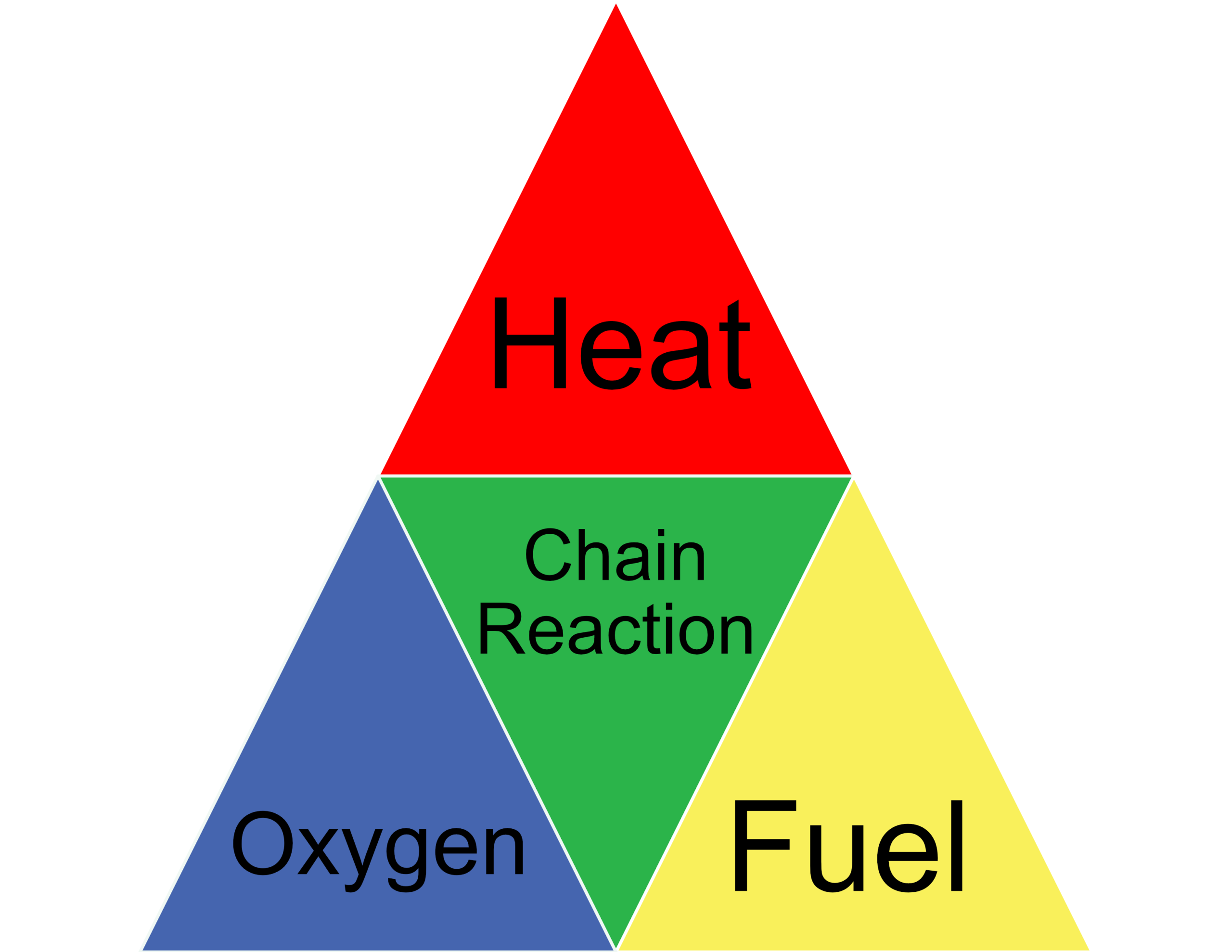
The more modern Fire Tetrahedron does add a fourth element; the chemical chain reaction, which is closer to the truth. But even that model focuses on sustaining combustion rather than starting it. The moment of ignition still gets glossed over.
What the Model Should Teach
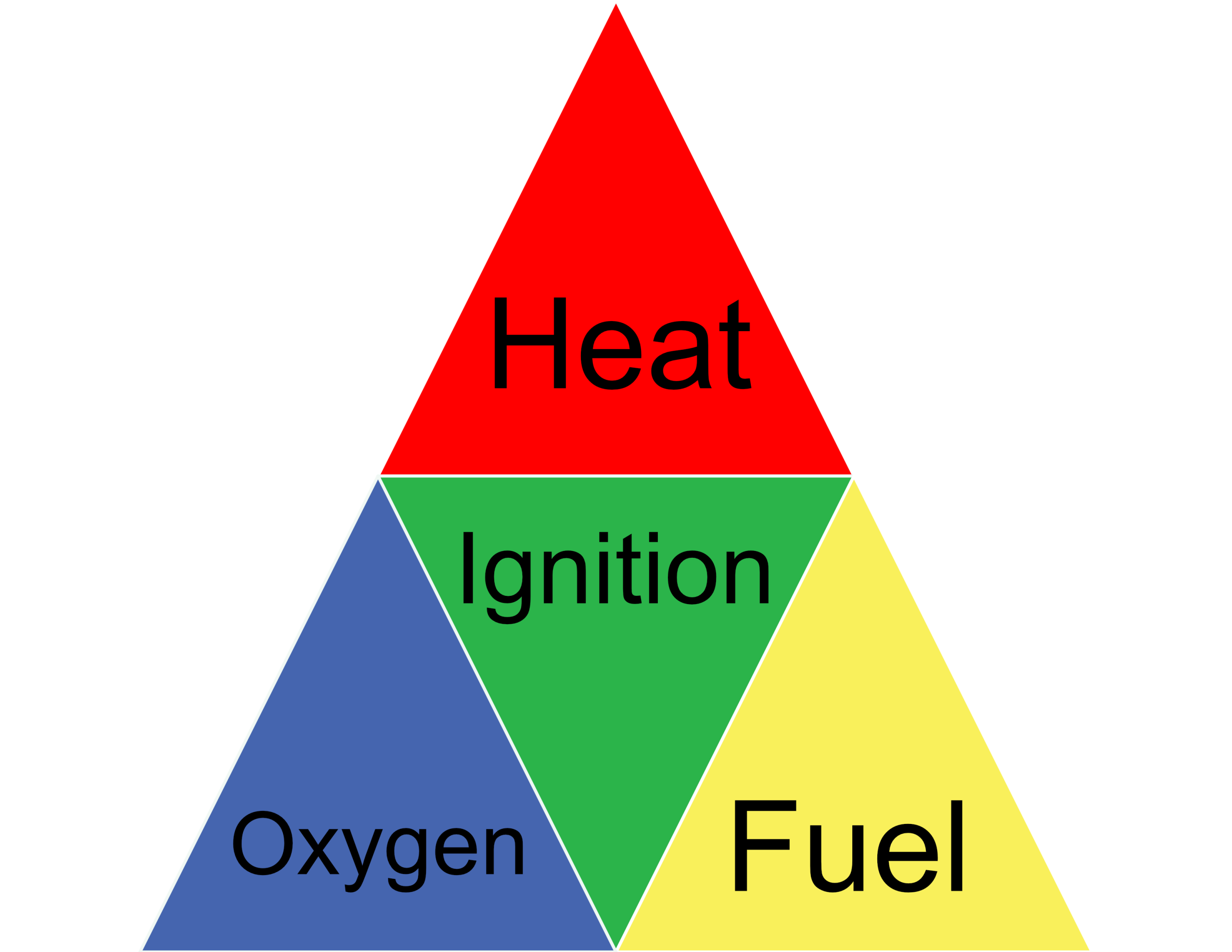
Here’s a cleaner framework, one that reflects how fire actually works:
Fuel — the material available to burn
Oxygen — what sustains the reaction
Heat — the environmental condition that makes ignition possible
Ignition — the event that actually starts it
That last element isn’t a minor footnote. It’s the difference between a fire and a near-miss. Between a controlled burn and an accident. Between conditions and consequences.
A mechanic, a wildland firefighter, or anyone who’s ever coaxed a campfire in the wind already understands this intuitively. You can have everything ready and still not have fire. You need the spark.
The Bigger Point
The fire triangle is a useful teaching tool. It shouldn’t be retired, it should be completed.
The goal of good science education isn’t to hand students a simplified model and call it done. It’s to give them models that hold up when they push on them. The fire triangle, pushed even slightly, reveals a gap. That gap is worth talking about.
Because the habit of asking “what’s actually missing here?” — that’s not rebellion against science. That’s how science is supposed to work.
Without ignition, there is no fire. Without the right questions, there is no progress.