Microbiology: The Invisible World Constantly Shaping Our Lives
Before We Begin
Microbiology is one of the most fascinating—and rapidly evolving—fields in science. New discoveries regularly reshape our understanding of bacteria, viruses, fungi, the immune system, and the microscopic ecosystems that sustain life.
Throughout Eagleye Forum, I try to distinguish between facts, observations, probabilities, possibilities, and personal perspectives. Science is strongest when we understand not only what we know, but also what we’re still learning.
In this article:
- Facts refer to concepts that are well supported by current scientific evidence.
- Observations come from real-world experience, field work, or personal study.
- Probabilities reflect what current evidence suggests is most likely.
- Possibilities are thoughtful questions or hypotheses that may deserve further investigation.
- Perspectives are my own interpretations based on years of reading, experience, and curiosity.
Science has never been about having all the answers. It has always been about asking better questions.
The Greatest Battle on Earth Is Mostly Unseen
When most people think of war, they picture armies, aircraft, or battlefields. Yet one of the oldest and most relentless struggles on Earth happens on a scale too small to see.
Welcome to microbiology—the study of the microscopic organisms that surround us, live within us, and quietly shape nearly every aspect of life.
Every second, bacteria, viruses, fungi, and countless other microorganisms interact with one another, with our environment, and with our immune systems. Some are harmless. Many are beneficial. Others have the potential to cause disease.
Together, these microscopic interactions have influenced evolution, medicine, ecosystems, agriculture, and human history for billions of years.
Rather than a single battle, the microbial world is a constantly changing ecosystem where survival depends on adaptation.
The Many Fronts of the Microscopic World
Microbial interactions occur continuously in ways most of us never notice.
- Microbes competing with microbes – Bacteria, fungi, and other microorganisms compete for nutrients and space, sometimes producing natural compounds that inhibit or eliminate competing species.
- Pathogens and the immune system – When harmful microorganisms enter the body, the immune system responds by identifying, attacking, and eliminating potential threats.
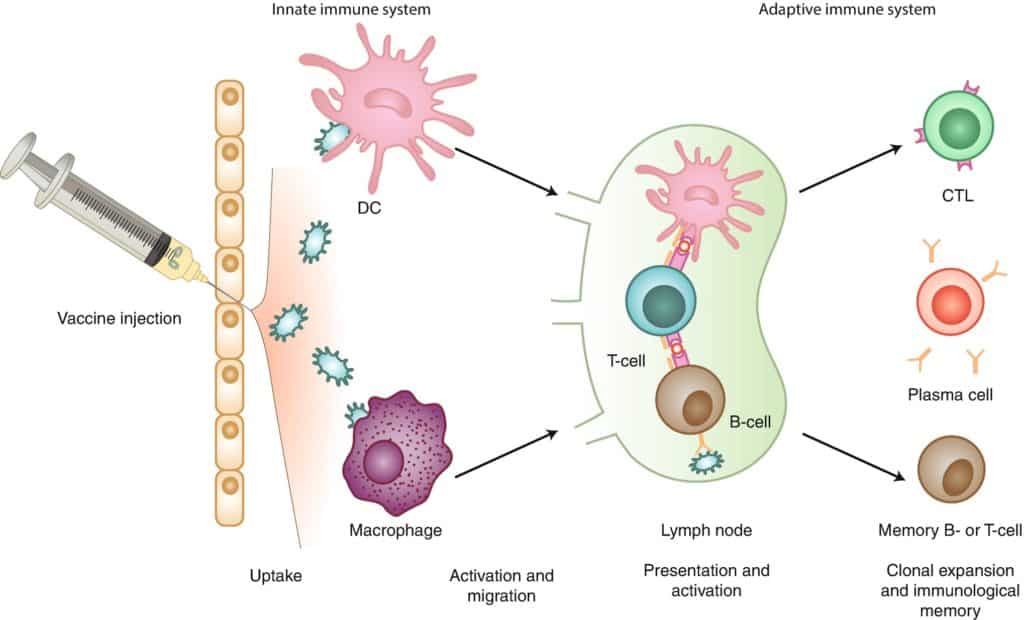
- Vaccination and immune memory – Vaccines expose the immune system to harmless components of a pathogen, allowing it to build protective memory before encountering the real disease.
- The microbiome and health – Trillions of beneficial microorganisms help digest food, regulate immunity, and make it more difficult for harmful microbes to become established.
Every breath we take, every meal we eat, and every surface we touch introduces new microorganisms into our environment. Most never cause illness because our immune system is constantly monitoring, adapting, and responding.
The microscopic world never stops changing—and neither do we.
Understanding Vaccines and the Immune Response
One of the immune system’s greatest strengths is its ability to learn.
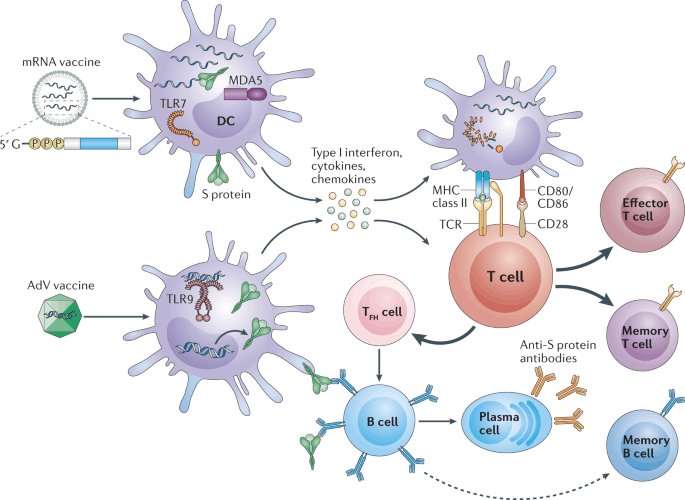
Vaccines help develop that learning by exposing the body to harmless forms or components of a pathogen. Depending on the vaccine, this may involve an inactivated virus, weakened organism, purified proteins, or genetic instructions that allow our cells to temporarily produce a harmless portion of a pathogen.
Regardless of the method, the objective remains the same: teach the immune system to recognize a threat before encountering the actual disease.
This process activates several important immune responses:
- White blood cells recognize foreign material.
- Chemical messengers coordinate immune activity.
- Antibodies are produced.
- Memory B and T cells develop long-term protection.
Because the immune system is actively responding, temporary side effects such as soreness, fatigue, fever, or muscle aches are relatively common. These symptoms generally reflect immune activation rather than infection itself.
Why Everyone Responds Differently
One of the most interesting realities in microbiology and immunology is that no two immune systems are identical.
Many factors influence how an individual responds to infection or vaccination, including:
- Genetics
- Age
- Nutrition
- Overall health
- Chronic medical conditions
- Previous exposure to pathogens
- The health of the gut microbiome
- Lifestyle and environmental factors
Most people develop immunity with few side effects, while others experience stronger short-term immune responses. Rarely, serious adverse reactions occur, which is why vaccine safety continues to be monitored long after approval.
Understanding these differences remains one of immunology’s greatest challenges—and one of its most exciting frontiers.
Science Is Always Evolving
Science is not a collection of permanent answers.
It is a process of observation, experimentation, refinement, and sometimes correction.
As new evidence emerges, scientific understanding changes. During rapidly evolving events such as the COVID-19 pandemic, recommendations changed because researchers were learning about a new virus in real time.
Changing conclusions when better evidence becomes available is not a weakness.
It is one of science’s greatest strengths.
Why This Subject Fascinates Me
My interest in microbiology extends well beyond textbooks.
For more than a decade, I’ve studied microorganisms, immunology, environmental biology, and the systems that quietly protect public health. Working in wastewater operations allowed me to observe microbial ecosystems functioning outside the laboratory, where environmental conditions constantly change and biology rarely behaves exactly as expected.
I’ve also spent years reading peer-reviewed research, following developments in microbiology, and learning from operators, laboratory technicians, engineers, and scientists who work with these systems every day.
I’m not a microbiologist or physician.
I’m simply someone who enjoys asking questions, studying the science, and connecting what I’ve learned in the field with what researchers continue to discover.
A Personal Turning Point
During the 2009 H1N1 influenza pandemic, I received a seasonal flu vaccination and became seriously ill shortly afterward.
Whether my illness was related to an infection I had already contracted, my immune response, or something else entirely is something I’ll probably never know with certainty.
What I do know is that the experience changed my perspective.
It motivated me to begin studying microbiology, immunology, infectious disease, and the remarkable complexity of the human immune system far more deeply than I ever had before.
Sometimes the most meaningful questions begin with personal experience.
A Real-World Reminder
Years later, while working in wastewater operations during the emergence of COVID-19, I watched how quickly an infectious disease could affect an entire workforce. Employees across multiple departments became ill before widespread testing was available, demonstrating just how rapidly respiratory viruses can spread through communities.
The pandemic also highlighted something microbiologists have understood for decades:
Microbiology isn’t an isolated academic discipline.
It influences medicine, wastewater treatment, environmental science, biotechnology, food production, epidemiology, agriculture, and countless other fields that quietly support modern society.
Questions Worth Asking
One of the reasons I continue studying microbiology is because so many important questions remain unanswered.
For example:
- How much do environmental conditions influence microbial evolution?
- What role does the human microbiome play in long-term health?
- How much of our immune resilience is shaped by genetics versus environment?
- Could wastewater surveillance become one of our best early-warning systems for future outbreaks?
- What microorganisms remain undiscovered, and what roles might they play?
These aren’t conclusions.
They’re reminders that science continues to evolve—and that curiosity often precedes discovery.
Why Microbiology Matters
The invisible world is anything but insignificant.
Microbiology influences medicine, agriculture, food production, wastewater treatment, pharmaceuticals, biotechnology, environmental science, and public health. The organisms we cannot see often have the greatest impact on the health of our communities and the stability of the ecosystems around us.
The greatest discoveries in microbiology may not come from proving what we already believe. They may come from asking better questions about a world we’ve only begun to understand.
Every drop of water, every breath of air, and every handful of soil contains an entire universe of microscopic life. Most of it works quietly behind the scenes, sustaining ecosystems, protecting our health, and occasionally challenging our understanding of biology itself.
The more we learn about that invisible world, the more we realize just how connected we are to it—and how much there is still left to discover.
Lessons Learned from the Front Lines
One of the greatest advantages of working in municipal and industrial wastewater operations is seeing microbiology outside the laboratory.
Textbooks explain how microorganisms behave under controlled conditions. Wastewater systems reveal how they respond in the real world—where weather changes, industrial discharges fluctuate, biological communities compete, and no two days are exactly alike.
Over the years, I had the opportunity to work alongside engineers, laboratory technicians, microbiologists, environmental specialists, and experienced operators. While each brought a different perspective, they all reinforced the same lesson:
Microbiology isn’t static.
It’s a living, constantly changing system.
Every basin, clarifier, aeration tank, laboratory sample, and microscope slide offered another opportunity to watch biology in motion.
What We Know
Wastewater treatment depends almost entirely on microorganisms.
Beneficial bacteria consume organic waste, recycle nutrients, and perform much of the biological work that allows wastewater to be safely treated before being returned to the environment.
These microbial communities are influenced by countless variables, including:
- Temperature
- pH
- Dissolved oxygen
- Nutrient availability
- Flow rates
- Industrial discharge
- Seasonal weather patterns
Operators don’t simply manage pumps and valves—they manage living biological ecosystems.
Understanding those ecosystems is often the difference between a stable treatment process and one that begins to fail.
What I Observed
Working in wastewater taught me something that books alone could never fully demonstrate:
Microorganisms are remarkably adaptable.
As environmental conditions changed, so did the biological communities responsible for treatment. Some populations flourished. Others declined. Occasionally entirely different microbial communities became dominant.
Watching these changes happen over time gave me a greater appreciation for just how dynamic biological systems really are.
The microbes weren’t following a script.
They were responding to the environment around them.
A Lesson in Evolution
One principle appeared repeatedly, both in the field and in the scientific literature.
Microorganisms are constantly changing.
Bacteria reproduce rapidly, allowing populations to adapt to changing environmental conditions. Viruses accumulate genetic mutations as they replicate, and while many of those mutations have little effect, some improve survival or transmission. Natural selection then favors the variants best suited to their environment.
Although the mechanisms differ between bacteria and viruses, the broader lesson is the same:
Life continually adapts.
That principle sits at the heart of microbiology.
Viruses and Their Hosts
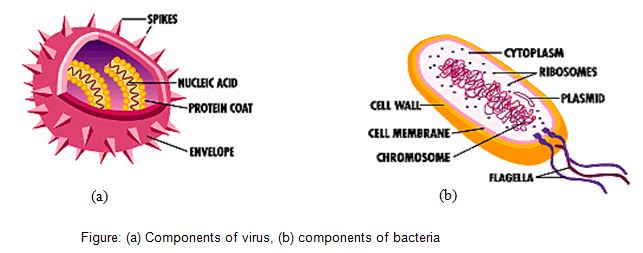
Unlike bacteria, viruses cannot reproduce on their own.
They must enter living cells and use the host’s biological machinery to create new virus particles. Whether the host is a human, animal, plant, or even another bacterium in the case of bacteriophages, the relationship between host and pathogen determines whether an infection succeeds or fails.
Understanding that relationship remains one of the central goals of microbiology and immunology.
What Wastewater Taught Me About Public Health
Before working in wastewater, I viewed treatment plants primarily as environmental infrastructure.
After working there, I began seeing them as something more.
They are also public health infrastructure.
Modern wastewater surveillance has demonstrated that communities often leave biological fingerprints long before hospitals recognize broader trends. During the COVID-19 pandemic, wastewater monitoring became an important tool for tracking infection levels. Similar approaches have been used to monitor viruses such as norovirus and poliovirus, along with antimicrobial-resistant organisms.
Watching this develop reinforced a simple but important lesson:
Microorganisms don’t respond to opinions, politics, or public debate.
They respond to biology, environmental conditions, and opportunity.
The better we understand those biological systems, the better prepared we become to protect public health.
Questions Worth Exploring
Working in the field also left me with questions that continue to shape my interest in microbiology.
For example:
- How much do changing environmental conditions influence microbial adaptation?
- Are there interactions within complex microbial communities that laboratory studies struggle to reproduce?
- Could environmental monitoring become one of our most valuable early-warning systems for emerging diseases?
- What biological relationships are we observing today that science has not yet fully explained?
These are not conclusions.
They are observations that continue to fuel my curiosity.
History has shown that many scientific breakthroughs begin with someone noticing a pattern before fully understanding why it exists.
Learning from Experience
Some of the most valuable lessons I learned didn’t come from journals or classrooms.
They came from operators who had spent decades working with biological systems every day.
They taught me that successful wastewater treatment isn’t just about pumps, valves, or chemical dosing.
It’s about understanding the living organisms performing the work.
They showed me how microbial communities influence treatment performance, why disinfection is more complex than simply adding chlorine, and how engineering and biology work together to protect public health.
Most importantly, they taught me something that extends well beyond wastewater treatment:
The closer you observe nature, the more you realize how much there is still to learn.
That lesson continues to shape the way I study microbiology today—not as a collection of final answers, but as an ongoing process of observation, discovery, and asking better questions.
How Bacteria Respond to Viral Invasion
When most people think about infectious diseases, they picture viruses attacking humans or bacteria causing illness.
What often goes unnoticed is that these microorganisms spend just as much time interacting—and competing—with each other.
One of the most fascinating examples is the relationship between bacteria and bacteriophages, often called phages. These are viruses that infect bacteria rather than humans, animals, or plants. In fact, phages are believed to be the most abundant biological entities on Earth, quietly influencing microbial populations in oceans, rivers, soil, wastewater systems, and even within the human body.
To me, this is one of microbiology’s greatest reminders:
The invisible world isn’t simply occupied by microbes—it is an entire ecosystem, complete with competition, adaptation, cooperation, and survival.
What We Know
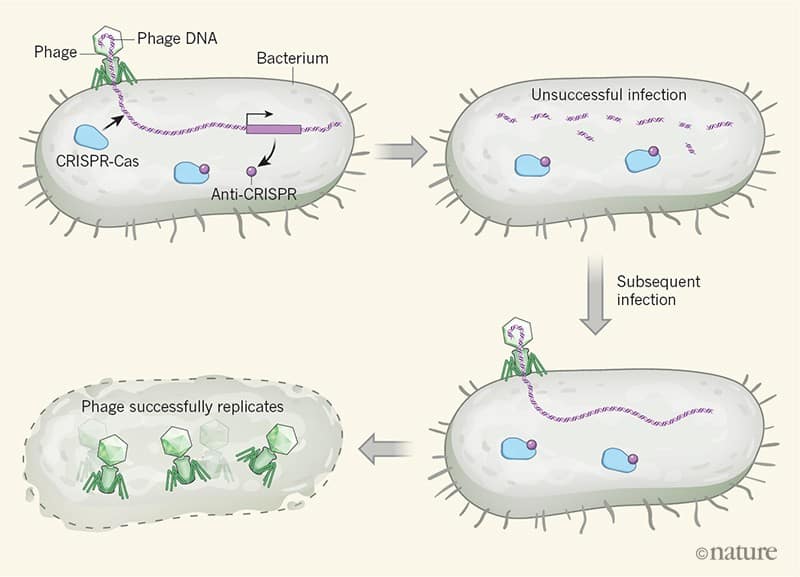
When a bacteriophage encounters a susceptible bacterium, it attaches to the cell and injects its genetic material.
From that point forward, several outcomes are possible depending on both the virus and the bacterium involved.
The Bacterium Defends Itself
Bacteria have evolved remarkable ways to resist viral infection.
Some prevent viruses from attaching in the first place. Others recognize and destroy invading genetic material. Some even possess sophisticated defense systems, such as CRISPR-Cas, which allow them to recognize certain viruses and defend against future infections.
Far from being passive organisms, bacteria are constantly adapting to survive.
The Virus Takes Control
If the bacterium’s defenses fail, the virus hijacks the cell’s biological machinery.
Instead of producing more bacterial components, the infected cell begins manufacturing new virus particles. Eventually, the cell often ruptures, releasing hundreds of new bacteriophages capable of infecting neighboring bacteria.
For the virus, replication is survival.
Evolution Never Stops
One of microbiology’s most consistent lessons is that evolution is continuous.
As bacteria develop new defenses, viruses evolve new ways to overcome them. Over time, natural selection favors whichever adaptations improve survival, creating an ongoing biological arms race that has existed for billions of years.
Neither side permanently “wins.”
Instead, each continually responds to the other.
Sacrifice for the Colony
Some bacteria possess defense mechanisms that trigger programmed cell death after infection.
Although the individual bacterium dies, sacrificing itself may prevent the virus from spreading throughout the rest of the bacterial population.
Even among microorganisms, survival sometimes depends on protecting the larger community.
What This Taught Me
One realization stood out as I learned more about bacteriophages and microbial ecology.
The microscopic world is far more dynamic than most people imagine.
Microorganisms are not simply drifting through their environments waiting for something to happen. They are constantly responding to changing conditions, competing for resources, adapting to new threats, and influencing the ecosystems around them.
Whether in the human gut, a wastewater treatment basin, agricultural soil, or the open ocean, these interactions are happening every second of every day.
Most of us never realize they are taking place.
The Incredible Diversity of Viruses
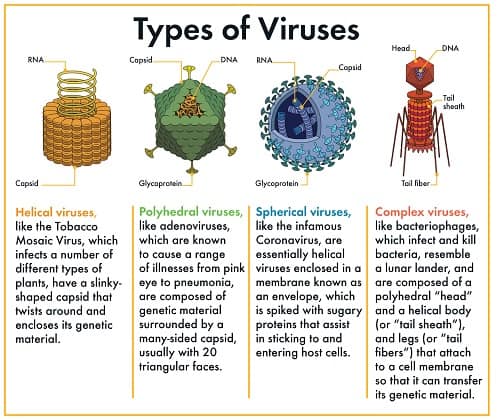
Viruses occupy nearly every environment on Earth.
Some infect:
- Humans
- Animals
- Plants
- Fungi
- Bacteria (bacteriophages)
- Archaea
Many viruses are highly specialized, infecting only a single species—or sometimes only a specific type of cell.
Others possess the ability to cross species boundaries, creating opportunities for entirely new infectious diseases.
Understanding why some viruses remain highly specialized while others occasionally expand into new hosts remains one of microbiology’s most important questions.
When Viruses Cross Species
Occasionally, a virus acquires the ability to infect a new host species. This process, known as zoonotic spillover, has contributed to several important infectious diseases throughout history.
Examples include:
- Influenza viruses that circulate among birds, pigs, and humans.
- West Nile virus, which cycles primarily between birds and mosquitoes before occasionally infecting humans and horses.
- Ebola virus, which is believed to originate in wildlife before spilling into human populations.
- Several coronaviruses that are thought to have originated in animal reservoirs before infecting humans.
Because people often have little existing immunity to newly emerging pathogens, zoonotic diseases have the potential to spread rapidly if they become established within human populations.
Questions Worth Exploring
One question naturally follows another.
Why are some viruses remarkably specialized while others successfully cross species?
What environmental pressures increase the likelihood of spillover events?
How much influence do habitat loss, wildlife trade, climate change, agricultural practices, or expanding human populations have on creating new opportunities for disease transmission?
Researchers continue investigating these questions, and while many answers are emerging, much remains to be understood.
Science progresses by continuing to ask them.
Understanding Disease Origins
Determining how a new infectious disease begins is one of the most complex challenges in microbiology.
Scientists examine genetic evidence, ecological data, wildlife reservoirs, epidemiological patterns, laboratory records, and many other sources of information before drawing conclusions. In some cases, the evidence points strongly toward a particular explanation. In others, uncertainty remains.
The origin of COVID-19 is one example where multiple hypotheses have been investigated, including zoonotic spillover and a possible laboratory-related incident. Research continues, and while evidence has informed the discussion, there is not a universally accepted scientific conclusion establishing the exact origin of the virus.
For me, the broader lesson extends beyond any single outbreak.
Whether a pathogen emerges through natural spillover, an unexpected accident, or another pathway, every outbreak reminds us that biology does not recognize political borders, personal beliefs, or human assumptions.
Looking Ahead
Perhaps the greatest lesson microbiology offers is one of humility.
The microbial world has been evolving for billions of years, and humanity has only recently begun to understand it.
Every new technology—from genome sequencing to wastewater surveillance—reveals another layer of complexity. Every discovery answers one question while raising several more.
The more we learn about bacteria, viruses, and the ecosystems they inhabit, the more we realize that the invisible world is not merely something we study.
It is something we are part of.
And understanding that relationship may be one of the most important scientific challenges of our time.
Vaccines, Microbes, and the Seasonal Nature of Illness
One of the biggest lessons I’ve learned from studying microbiology is that biology is rarely as simple as “good versus bad.”
The microscopic world is built on relationships.
Microorganisms compete, cooperate, adapt, and evolve. Our immune system responds to those changes, learning from each encounter while constantly balancing protection with tolerance.
Vaccines, beneficial microbes, harmful pathogens, and even the changing seasons are all part of that larger biological picture.
What We Know About Vaccines
Vaccines are designed to prepare the immune system before it encounters a disease-causing pathogen.
Depending on the vaccine, they may contain an inactivated virus, a weakened organism, purified proteins, or genetic instructions that allow the body to temporarily produce a harmless piece of a pathogen. Although the technologies differ, the objective remains the same:
Teach the immune system to recognize a threat before the real infection occurs.
When vaccination stimulates the immune system, it is normal for some people to experience temporary soreness, fatigue, fever, or muscle aches. These symptoms are generally signs that the immune system is responding and building immune memory rather than indications that the vaccine is causing the disease itself.
Why Everyone’s Experience Is Different
One observation that continues to fascinate researchers is how differently people respond to the same infection—or even the same vaccine.
Age, genetics, nutrition, existing health conditions, previous exposure to pathogens, medications, and the health of the gut microbiome all influence the immune response.
Most people experience only mild, temporary side effects. Others notice stronger immune reactions, while serious adverse events remain uncommon but continue to be carefully monitored through ongoing safety systems.
The differences remind us that the immune system is highly individualized.
No two people bring exactly the same biological history into an immune challenge.
Not All Microbes Are the Enemy
One of the first surprises many people encounter when studying microbiology is that the overwhelming majority of microorganisms are either harmless or beneficial.
Beneficial bacteria help digest food, produce vitamins, regulate immune function, recycle nutrients, and compete with organisms that might otherwise cause disease.
Even viruses can play important ecological roles.
Bacteriophages, for example, infect bacteria rather than humans and help regulate bacterial populations throughout oceans, soil, wastewater systems, and the human microbiome.
Without these microscopic interactions, many of Earth’s ecosystems would function very differently.
What I Observed
Working in wastewater operations gave me the opportunity to observe microbial communities in ways few people ever experience.
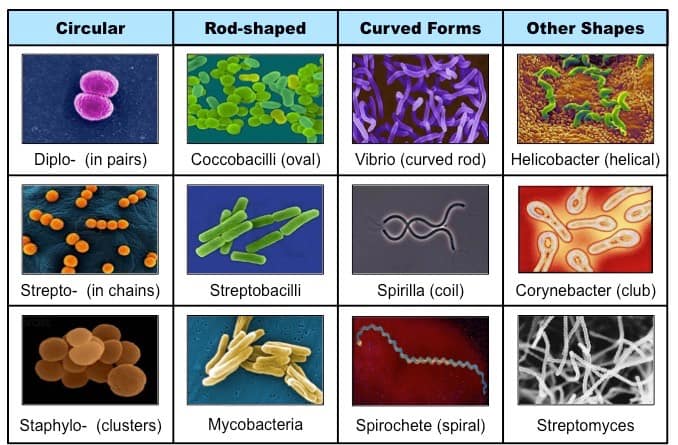
Under the microscope, I watched bacterial populations grow, divide, compete, and respond to changing environmental conditions. Laboratory reference charts helped identify what we were seeing, but the most valuable lesson came from simply watching biology unfold in real time.
The microbial world wasn’t static.
It was constantly changing.
One day a particular bacterial population would dominate. A shift in temperature, nutrient availability, pH, or flow conditions could gradually favor an entirely different community.
Those observations reinforced something I continue to see throughout microbiology:
Life responds to its environment.
Why Illness Changes with the Seasons
Many infectious diseases follow seasonal patterns, but the reasons are more complex than warmer weather or colder weather alone.
Researchers have identified several contributing factors.
During the colder months:
- People spend more time indoors, increasing close contact with others.
- Dry indoor air may reduce the effectiveness of the body’s natural respiratory defenses.
- Some respiratory viruses, including influenza and several coronaviruses, spread more efficiently under cooler, drier conditions.
- Seasonal changes in sunlight, activity levels, and overall health may also influence immune function.
Meanwhile, warmer months often bring an increase in foodborne illnesses, mosquito-borne diseases, and certain bacterial infections that thrive under different environmental conditions.
The seasons influence both microorganisms and the environments they inhabit.
Questions Worth Exploring
Seasonality raises interesting questions that scientists continue to investigate.
For example:
- Why do some pathogens thrive during one season while others become more active months later?
- How much influence do humidity, temperature, and sunlight have on microbial survival?
- Could changes in the human microbiome contribute to seasonal patterns of illness?
- How much of our seasonal susceptibility is driven by environmental exposure versus changes within our own immune system?
Current research continues exploring these questions, and the answers will likely involve many interacting biological systems rather than a single explanation.
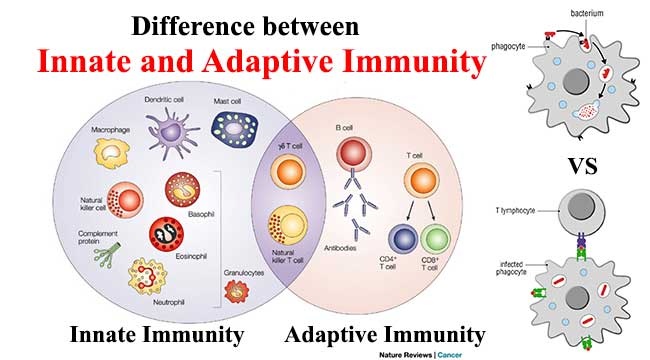
Looking at the Bigger Picture
Whether we’re discussing vaccines, beneficial microbes, seasonal illnesses, or the immune system itself, one theme appears again and again:
Adaptation.
Microorganisms adapt to changing environments.
Our immune system adapts to changing threats.
Medical science adapts as new evidence emerges.
Understanding these relationships is one of the reasons microbiology remains such a fascinating field. Every new discovery reminds us that health isn’t simply the absence of disease—it’s the result of countless biological interactions taking place every second, most of them completely invisible.
The more we understand those interactions, the better equipped we become to protect ourselves, improve public health, and continue asking the questions that lead to tomorrow’s discoveries.
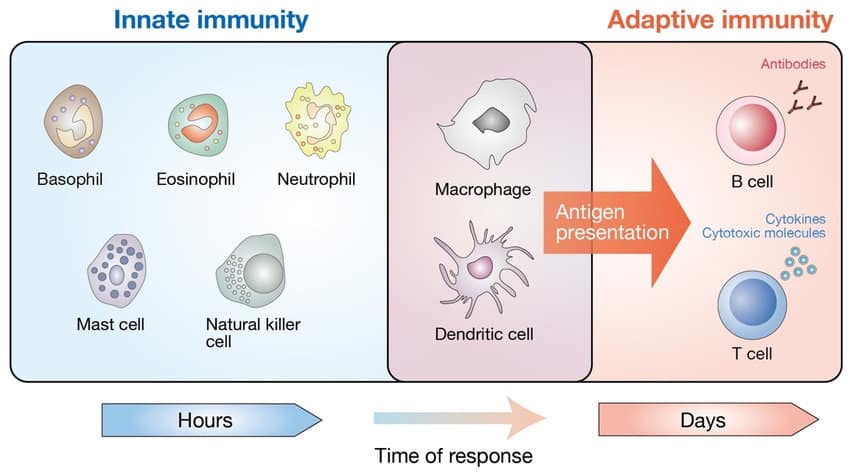
Hospitals, Infection Control, and the Questions That Keep Me Curious
Hospitals exist to heal people, but they also operate on the front lines of one of nature’s oldest battles.
Every day, healthcare professionals work against bacteria, viruses, fungi, and countless other microorganisms using sterilization procedures, personal protective equipment (PPE), ventilation systems, medications, isolation protocols, and decades of scientific research.
Despite these advances, microorganisms continue to adapt.
Healthcare-associated infections still occur. New pathogens emerge. Existing pathogens evolve. Infection control remains a continual process of learning, improving, and adapting.
To me, hospitals represent something larger than healthcare.
They demonstrate the ongoing relationship between human innovation and microbial evolution.
What We Know
Modern infection control has transformed medicine.
Practices such as hand hygiene, sterilization, environmental cleaning, vaccination, ventilation, and appropriate use of personal protective equipment have saved countless lives and dramatically reduced the spread of infectious disease.
At the same time, microorganisms continue to evolve.
Some bacteria develop resistance to antibiotics.
Viruses accumulate genetic mutations as they replicate.
Fungi and other pathogens adapt to changing environments.
This continual process of biological change is one reason microbiology remains such an active field of research.
What I’ve Observed
One lesson I’ve carried with me from wastewater operations is that biological systems rarely behave exactly the way we expect.
Laboratory studies provide essential knowledge by isolating individual variables under controlled conditions. Operational environments, however, are far more complex.
Temperature changes.
Humidity changes.
Flow patterns change.
Chemical conditions change.
Microbial communities change.
People change.
Watching these systems over time made me appreciate how many variables influence biology simultaneously.
Rather than seeing biology as predictable, I began seeing it as interconnected.
Questions Worth Exploring
Those experiences naturally led me to ask questions that continue to shape my interest in microbiology.
For example:
- How much influence do environmental conditions such as temperature, humidity, and airflow have on microbial behavior in real-world settings?
- Could an individual’s immune status at the time of vaccination influence the intensity or duration of their immune response?
- Do people who spend years working around diverse microbial environments develop different patterns of immune adaptation than those with lower occupational exposure?
- Are there biological interactions occurring in complex environments that controlled laboratory studies cannot easily reproduce?
These questions are not presented as conclusions.
They are observations that I believe deserve thoughtful investigation.
Some may eventually be supported by evidence.
Others may not.
That uncertainty is not a weakness of science—it is one of the reasons science continues to move forward.
Microorganisms and the Immune System
The relationship between microorganisms and the immune system is remarkably complex.
Researchers continue investigating how infections, inflammation, genetics, and the human microbiome influence immune regulation throughout life.
Some infections have been associated with triggering autoimmune responses in genetically susceptible individuals. One leading explanation is molecular mimicry, where the immune system mistakes healthy tissue for a foreign pathogen because of structural similarities.
Scientists are also exploring how chronic infections, environmental exposures, and microbial communities influence long-term immune health.
Each new discovery reminds us that the immune system is far more sophisticated than simply recognizing what is “self” and “non-self.”
Different Microbes, Different Strategies
One lesson microbiology teaches repeatedly is that bacteria and viruses should not be viewed as the same opponent.
Bacteria are living organisms that grow, reproduce, communicate, and respond directly to their surroundings. In wastewater treatment, operators intentionally create stable environments where beneficial bacterial communities can thrive and perform the biological work of treatment.
One experienced operator shared a phrase that has always stayed with me:
“Keep them fat, dumb, and happy.”
It was his way of explaining that healthy microbial communities tend to remain stable when their environmental needs are consistently met.
Viruses operate differently.
They depend entirely on living host cells for reproduction. As they replicate, mutations naturally occur. Most have little impact, while a small number improve survival, transmission, or the ability to evade existing immunity.
Understanding these different survival strategies is one of the reasons microbiology remains such a fascinating science.
Curiosity Drives Discovery
Vaccines remain one of the most successful public health tools ever developed, and ongoing research continues improving their safety and effectiveness.
At the same time, viruses continue to evolve, immune systems continue to vary, and researchers continue uncovering new layers of biological complexity.
For me, the most interesting questions are often found at the intersection of those systems.
How do genetics, environmental exposure, nutrition, stress, occupational hazards, microbial diversity, and previous infections combine to shape an individual’s immune response?
Current research continues exploring these relationships, and every answer seems to reveal several new questions.
That is exactly how science is supposed to work.
Looking Beyond the Answers
One of the greatest lessons microbiology has taught me is humility.
Nature is extraordinarily complex.
Microorganisms continually adapt.
Immune systems differ from person to person.
Environmental conditions are constantly changing.
Every scientific discovery expands our understanding while reminding us how much remains unknown.
Rather than viewing science as a collection of permanent answers, I see it as an ongoing process of observation, evidence, experimentation, and thoughtful debate.
The goal is not simply to defend what we already believe.
It is to remain curious enough to recognize when nature is teaching us something new.
That curiosity is what first drew me to microbiology, and it continues to be one of the reasons I find the invisible world so endlessly fascinating.
Masks, Immunity, and the Body’s Layered Defenses
One of the most important lessons microbiology teaches is that complex problems rarely have simple solutions.
Protecting ourselves from infectious disease isn’t accomplished by one tool, one habit, or one medical intervention. Instead, it relies on layers of protection working together.
Masks, vaccines, hand hygiene, ventilation, nutrition, sleep, exercise, environmental awareness, and a healthy immune system each contribute in different ways.
No single layer is perfect.
Together, however, they can significantly reduce risk.
Nature itself often works this way. Biological systems rarely depend on a single line of defense—they build redundancy.
The human immune system is no exception.
What We Know About Masks
Masks are designed to reduce the movement of infectious respiratory droplets and, depending on their design and fit, many airborne particles.
Research has consistently shown that properly worn masks can reduce the spread of many respiratory illnesses, particularly in crowded indoor environments and healthcare settings.
Not all masks perform equally.
A properly fitted respirator generally provides greater filtration than a surgical mask, while cloth masks vary considerably depending on their construction and fit.
Perhaps the most useful way to view masks is not as perfect protection, but as one layer within a larger strategy for reducing exposure.
The Remarkable Human Immune System
Long before modern medicine existed, the human immune system was protecting us from the microbial world.
Every day it encounters countless microorganisms, distinguishing between beneficial microbes, harmless environmental organisms, and potential pathogens.
Most of these encounters happen without us ever realizing they occurred.
Whether immunity develops through previous infection, vaccination, or a combination of both, the immune system continually learns from experience.
Each encounter becomes another lesson, helping prepare the body for future challenges.
Rather than eliminating every microorganism—which would be impossible—the immune system focuses on maintaining balance while responding efficiently to genuine threats.
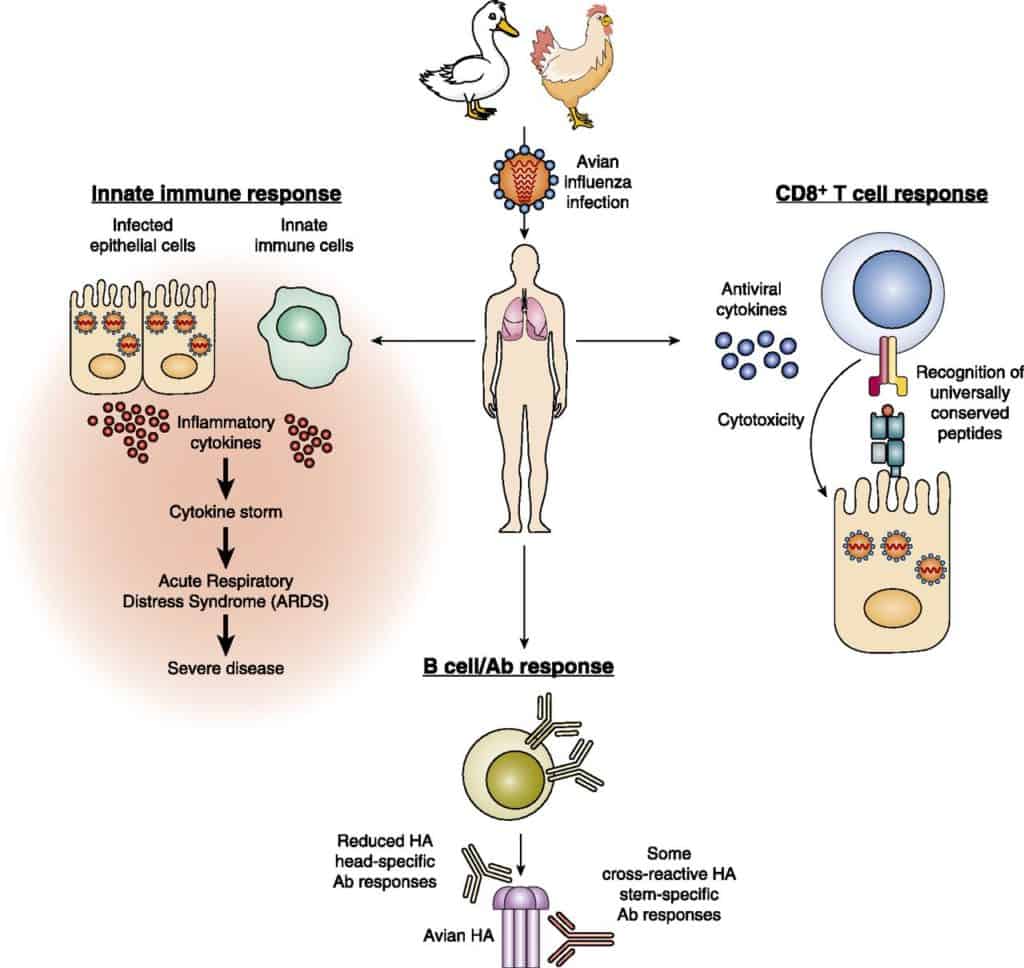
Two Layers of Defense
One of the reasons the immune system is so effective is that it doesn’t rely on a single response.
It operates through multiple layers that complement one another.
Innate Immunity — The Immediate Response
The innate immune system provides the body’s first line of defense.
Physical barriers such as the skin, mucous membranes, and specialized immune cells respond quickly whenever unfamiliar microorganisms are detected.
This response is broad, rapid, and designed to slow an infection before it becomes established.
Adaptive Immunity — The Learned Response
The adaptive immune system works more slowly, but with remarkable precision.
As it encounters specific pathogens, it develops targeted antibodies and specialized memory cells that allow future responses to occur more rapidly and efficiently.
This biological memory forms the foundation of long-term immunity following many infections and is also the principle behind many modern vaccines.
Together, these two systems create a layered defense that is both immediate and adaptable.
What I’ve Come to Appreciate
The more I studied microbiology—and the more time I spent working around biological systems—the more I realized that the immune system shouldn’t be viewed as a single mechanism.
It’s an ecosystem.
Every day it responds to influences both inside and outside the body.
Nutrition.
Sleep.
Stress.
Exercise.
Age.
Genetics.
Environmental exposure.
Previous infections.
Vaccination history.
The gut microbiome.
None of these factors act alone.
They constantly interact, making every person’s immune system slightly different from everyone else’s.
That complexity is one of the reasons biology rarely offers simple answers.
Questions Worth Exploring
As our understanding of immunology continues to grow, researchers are asking increasingly sophisticated questions.
For example:
- How much does the gut microbiome influence immune resilience?
- How do nutrition, sleep, and chronic stress interact with immune function?
- To what extent do environmental and occupational exposures shape immune adaptation over a lifetime?
- Why do some people experience dramatically different responses to the same infection or vaccine?
- Which factors have we not yet identified that influence long-term immune health?
Many of these questions remain active areas of research.
Some may eventually reshape how we think about immunity.
Others may simply deepen our appreciation for how complex the immune system truly is.
Looking at the Bigger Picture
One idea continues to emerge throughout microbiology.
Living systems are built on layers.
Our skin forms a barrier.
Beneficial microbes compete with harmful ones.
The innate immune system responds immediately.
The adaptive immune system learns over time.
Medical interventions add additional layers of protection.
Healthy habits strengthen the system as a whole.
Each layer contributes something valuable, but none operates in isolation.
Perhaps that’s the most important lesson of all.
Health isn’t built by relying on a single solution.
It’s built by understanding how many interconnected systems work together to protect us every moment of every day.
The more we learn about those systems, the more we recognize that the goal of microbiology isn’t simply to understand disease.
It’s to better understand life itself.
Timing, Vaccines, and the Complexity of the Immune Response
One lesson I’ve come to appreciate while studying microbiology and immunology is that timing matters.
Biological systems are constantly changing. Our immune system is never standing still—it is responding to previous infections, environmental exposures, stress, nutrition, sleep, and countless other influences every single day.
Because of that, no two people receive a vaccine under exactly the same biological conditions.
That doesn’t mean vaccines are unpredictable.
It means the immune system is remarkably complex.
What We Know
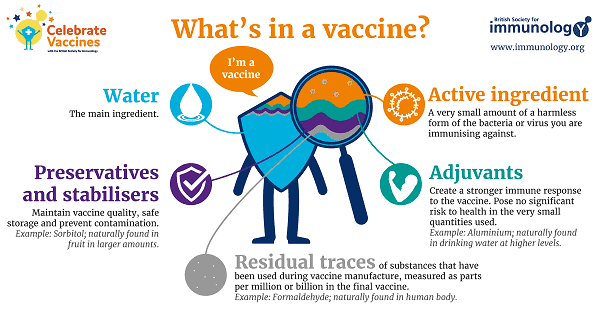
Vaccines are designed to prepare the immune system before exposure to a disease-causing pathogen.
By introducing harmless components of a virus or bacterium, the immune system learns to recognize that organism and develop immune memory. This allows the body to respond more rapidly if it encounters the real pathogen in the future.
Like any immune challenge, vaccination temporarily activates the immune system.
For most people, that response is mild. Some experience soreness, fatigue, fever, or muscle aches. Others notice very little at all.
Researchers also recognize that immune responses vary considerably between individuals due to genetics, age, health status, medications, previous infections, and many other biological factors.
A Perspective That Interests Me
One question that has always fascinated me is how much a person’s immune status at the moment of vaccination influences their experience.
For example:
If someone is unknowingly fighting an infection, recovering from another illness, under significant physical stress, or dealing with chronic inflammation, could those factors influence how their immune system responds?
Researchers continue studying questions like these because the immune system is influenced by far more than a single event.
Rather than thinking of vaccination as an isolated moment, I find it helpful to view it as one interaction within a much larger and constantly changing biological system.
The Immune System Doesn’t Read Labels
One analogy has always helped me understand immune function.
The immune system doesn’t recognize something as a “vaccine” in the way people do.
It recognizes unfamiliar biological material and begins evaluating whether a response is necessary.
That response is precisely what vaccines are designed to encourage.
The goal is not to cause disease, but to safely train immune memory before a dangerous encounter occurs naturally.
For me, this highlights just how remarkable the immune system really is.
It is constantly learning.
Constantly adapting.
Constantly deciding how to respond.
Why Critical Thinking Matters
I consider myself both pro-science and supportive of vaccination.
At the same time, I believe science is strongest when it welcomes thoughtful questions.
My interest in microbiology didn’t begin with politics or headlines.
It grew from personal experiences, years spent working around biological systems, conversations with operators, laboratory professionals, engineers, and healthcare workers, and countless hours reading scientific research simply because I wanted to understand how these systems work.
Some of the most valuable discussions I’ve had were with people who didn’t immediately agree with one another.
Those conversations weren’t about winning arguments.
They were about asking better questions.
To me, that’s the spirit of science.
Respecting Complexity
One lesson the COVID-19 pandemic reinforced is that public discussions about science can quickly become polarized.
Yet biology is rarely simple.
Vaccines have prevented millions of illnesses and saved countless lives.
At the same time, no medical intervention is entirely without risk, which is why safety monitoring, ongoing research, and continual refinement remain essential parts of modern medicine.
Recognizing both of those realities isn’t contradictory.
It’s simply acknowledging that biology is complex.
Questions Worth Exploring
As immunology continues advancing, many important questions remain.
For example:
- How does an individual’s immune status influence vaccine response?
- Which biological factors contribute to stronger or weaker immune reactions?
- How do genetics, environmental exposures, nutrition, stress, and the microbiome interact to shape immunity?
- Could future vaccines become even more personalized as our understanding of immunology improves?
These questions don’t diminish the value of vaccines.
They reflect the reality that science is always searching for better understanding.
Every generation benefits from asking questions the previous generation could not answer.
Looking Beyond the Headlines
One thing I’ve learned over the years is that the most valuable understanding rarely comes from headlines alone.
Scientific knowledge is built through observation, experimentation, debate, replication, and continual refinement.
The more we study microorganisms, the more we realize that bacteria, viruses, and the immune system rarely behave in simple or predictable ways.
That’s why I encourage readers to explore beyond summaries and sound bites.
Read broadly.
Compare perspectives.
Look for high-quality evidence.
Remain open to new discoveries.
Most importantly, stay curious.
The goal of science has never been to stop asking questions.
Its purpose is to keep improving our understanding of the remarkable biological systems that make life possible.
Let’s Talk About Superbugs
One of the greatest challenges facing modern medicine isn’t a single disease.
It’s evolution.
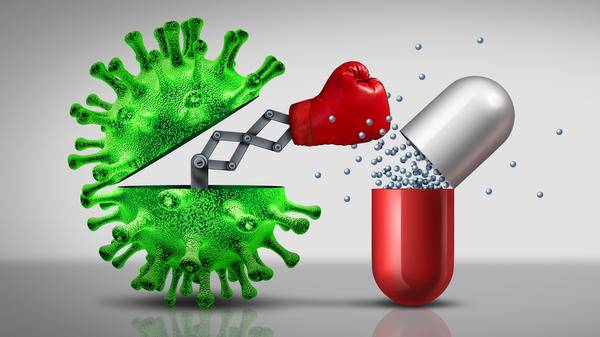
Every time we develop a new antibiotic, antiviral, or antimicrobial treatment, microorganisms begin responding to the new environmental pressure. Most never develop meaningful resistance—but given enough time and enough opportunities, some eventually do.
That ongoing cycle is one of the reasons antimicrobial resistance has become one of the most important topics in microbiology.
What We Know
Microorganisms naturally change over time.
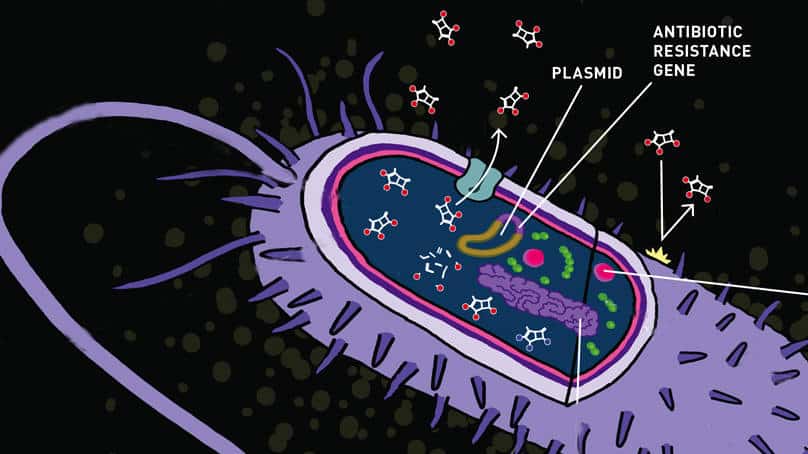
As bacteria reproduce and viruses replicate, genetic changes occur. Most of these changes have little effect, but occasionally one provides an advantage that allows an organism to survive a treatment that would normally eliminate it.
When that happens, the surviving microorganisms continue reproducing, gradually increasing the proportion of resistant strains within the population.
This process is driven by natural selection, not intention.
The microorganisms that survive become the ones that continue spreading.
How Resistance Develops
Scientists have identified several factors that contribute to antimicrobial resistance.
These include:
- Overuse of antibiotics.
- Using antibiotics for illnesses they cannot treat, such as viral infections.
- Not completing prescribed treatment when appropriate.
- Widespread antibiotic use in agriculture.
- Natural genetic mutation and the exchange of resistance genes between bacteria.
Over time, these pressures favor microorganisms that are better able to survive existing treatments.
Some eventually become resistant to multiple medications, creating what are commonly referred to as superbugs.
An Ongoing Biological Arms Race
One lesson that continues to fascinate me is how closely medicine and microbiology resemble an evolutionary competition.
Researchers develop new antibiotics, antivirals, vaccines, and therapies.
Microorganisms continue adapting to the environments we create.
Neither side remains static.
Scientific research, clinical medicine, public health, and microbiology are continually evolving together.
Unlike human research, microorganisms don’t pause while we conduct clinical trials or publish scientific papers.
Evolution continues every day.
What I’ve Observed
Working around biological systems reinforced an idea that extends beyond wastewater treatment.
Nature rarely wastes an opportunity to adapt.
Whether observing microbial communities responding to changing environmental conditions or reading about antimicrobial resistance in scientific literature, the same pattern appears repeatedly:
Life responds to pressure.
Sometimes those responses benefit us.
Sometimes they create new challenges.
Recognizing those patterns has given me an even greater appreciation for why responsible antibiotic use, disease surveillance, and continued scientific research are so important.
The Immune System: Our Constant Companion
While modern medicine has transformed public health, our immune system remains one of the body’s most remarkable defenses.
Unlike a medication designed to target a specific organism, the immune system is constantly monitoring its surroundings, learning from previous encounters, and adapting to new challenges.
It recognizes.
It remembers.
It responds.
Medicine strengthens that process in many ways, but it doesn’t replace it.
Instead, the immune system and modern medicine work together, each contributing different strengths to the same goal: protecting us from disease.
Questions Worth Exploring
Antimicrobial resistance continues to raise important questions for scientists around the world.
For example:
- How can we slow the development of resistant microorganisms?
- Which new therapies might replace or complement traditional antibiotics?
- Could bacteriophages become a larger part of future medicine?
- How can engineering, wastewater surveillance, and microbiology work together to identify resistant organisms earlier?
- What discoveries are still waiting to be made about the relationship between microbial evolution and human health?
These questions remind us that microbiology is not simply about studying microorganisms.
It’s about understanding how living systems adapt—and how human ingenuity can continue adapting alongside them.
The more we learn about resistance, the more we appreciate a simple truth:
The goal isn’t to win one final battle against microorganisms.
The goal is to continue learning, improving, and staying one step ahead in a biological relationship that has existed for billions of years.
The pandemic shifted everything—our health, our routines, and sadly, our moral compass. Fear and uncertainty led many people to cling to information from self-declared “experts” without critical thinking. Meanwhile, mainstream media often showed only what aligned with their narratives. Businesses and organizations began requiring vaccines for entry or employment, which is their right—but the conversation around responsibility has been one-sided.
Responsibility and Risk
In my opinion, if a company mandates vaccination, they should also share responsibility for potential side effects experienced by their employees. Vaccines are medical interventions with both benefits and risks, and the truth is, we still don’t know all the long-term effects. That’s not anti-vaccine—that’s realistic caution.
It’s worth noting that while many say they got vaccinated “because it’s the right thing to do,” others admit they did it for:
- Travel
- Work
- Social acceptance
- Just wanting life to feel normal again
Those reasons are valid—but they also highlight how external pressure, not informed choice, has played a significant role.
Politics & Polarization
Government and media didn’t help unify us—they deepened the divide, opening more battles on the road to recovery. Vaccines became politicized. Some leaders flipped their positions based on who held office. The result? Distrust, confusion, and division.
As for me, I didn’t get the COVID vaccine. My decision was influenced by a serious reaction I had to a flu vaccine in 2009, along with what I’ve learned about how viral vaccines interact with immune systems. It’s not from ignorance—it’s from personal experience and research. That’s a decision I own, and I respect others’ right to make theirs, I dealt with a lot of internal battles backlash for my choice, mostly from people with less knowledge on the subject or hands-on experience.
Respect in the Face of Difference
If you feel uncomfortable being around unvaccinated people, that’s your right. But we’ve crossed into dangerous territory when disagreement turns into dehumanization:
- “You’re a selfish a**hole if you don’t get the vaccine.”
- “You’re a sheep if you do.”
This rhetoric solves nothing. It’s toxic. Starting unnecessary battles. If we ever reach a point of stability with this virus—like we have with the flu—people will remember how they were treated, not just the policies.
You may find yourself needing to cross a bridge you burned out of anger or judgment, but that is a whole different battle altogether.
My Personal COVID Experience
I’ve had COVID a few times:
- The first time was while working at the wastewater plant, before tests were available. I could barely stand, and slept most of the day. We chalked it up to the flu, but shortly after, news spread, and we now knew what it was.
- The second time? I was experiencing it as I wrote this originally—passed to me by a vaccinated coworker.
His symptoms were worse than mine. But I held no resentment. I didn’t judge him or question his choices. I focused on healing and moving forward—because we’re all in this together, whether we realize it or not. Now I just go with the flow when sick, avoid people, do what I can to shake it, sleep or work it out, take medication and vitamins in between to help end the battle.
Different Paths, Shared Outcome?
There may never be one clear “right” path. People on both sides will come out okay, just like during the polio outbreak—often referenced to encourage vaccination. The truth is, millions never got that vaccine either—and they still survived that battle. Yet the virus was nearly eradicated, due to both natural and medical factors.
Who’s Really the “Sheep”?
If you think people are stupid or selfish for not getting vaccinated, ask yourself:
Did you genuinely research it—or did you follow headlines and political soundbites?
If you think people are sheep for wearing masks or choosing the vaccine:
Are you blindly echoing what your media or political heroes told you?
Both sides have valid evidence supporting their beliefs. Neither group is inherently stupid, selfish, or blind. Those traits belong to individuals, not entire movements. And in both camps, there are:
- People we trust with our kids, cars, and homes
- People who would risk their lives to help others
Just Be a Decent Human Being
In the end, kindness matters more than proving a point. We’re all dealing with the same battle for survival—from different perspectives, with different tools. The virus doesn’t discriminate—and neither should we.
Be thoughtful. Be open. Be kind.
Back to the Science
Thankfully, science has made incredible progress in these battles with understanding and controlling bacteria. That’s important—because if bacteria had the upper hand, they could easily overwhelm us. They’re stronger and more resilient than viruses in many ways. But through research and treatment strategies, scientists have figured out how to keep them, as one wastewater colleague put it, “fat, dumb, and happy.”
Viruses, however, are a different challenge. They’re survivors—constantly mutating, adapting, and slipping through the cracks. Our best defense against them? A strong immune system. It reacts just as fast and can outmaneuver viruses if supported properly.
How I Manage My Own Illnesses
When I battle COVID—or any virus—I treat them like the flu or a bad cold. NyQuil and Sudafed have been my go-to tools. I know they won’t kill the virus, but they help me function while my immune system does the real work. If it’s severe, I’ll visit urgent care for antibacterial or antiviral medications, and I’ll try my best to get outdoors and sweat it out.
What You Can Do
Here’s what I recommend to anyone looking to stay prepared:
- Take the vaccine if you want to boost your immune system
- Wear a mask if you’re sick to help prevent the spread
- Take vitamins to support your system
- Wash your hands regularly
- Prioritize sleep and hydration
Viruses aren’t going anywhere—especially in a globalized world. So do what you need to do to keep your body ready and win the battle in microbial warfare.