Embracing AI: a Support Tool, Not a Shortcut
Artificial intelligence is here, but it’s not the end of craftsmanship. It’s the next tool in the skilled worker’s belt. From mechanics to makers to modern creatives, it’s not replacing you, it’s simply helping you work smarter, faster, and more creatively than ever.
The Fear vs. The Function
Artificial intelligence tools like ChatGPT are often criticized as “cheating” or “replacing real creators.” But that mindset misses the bigger picture. It’s not here to steal the brush from the painter or the wrench from the mechanic, it’s here to be another tool in the toolbox, just like every innovation before it.
Harvard Business Review — “AI Should Augment Human Intelligence, Not Replace It”
Every generation has seen a wave of skepticism when new tools emerged. Some feared typewriters would ruin handwriting. Others claimed digital photography would destroy real artistry. And now, it’s AI’s turn in the hot seat. But if history has taught us anything, it’s that tools don’t erase talent, they expand its reach.
Here are just a few examples across different industries that mirror the AI conversation today:
- Mechanics use OBD scanners to speed up diagnosis, not to skip steps, but to get to the solution faster.
- Woodworkers and machinists rely on CNC machines to ensure precision so they can focus on craftsmanship.
- Web developers use frameworks like Bootstrap and React to build better products with less overhead.
- Photographers use Lightroom and Photoshop, enhancing creativity, not replacing it.
- Writers and bloggers are leveraging grammar tools, spellcheckers, and editors to polish their words, while their voice and ideas remain the soul of the story.
- Electricians using circuit tracers and multimeters to isolate problems quickly, no less skilled, just more effective.
- Teachers and educators relying on PowerPoint, Smart Boards, quiz generators, and lesson templates so they can focus on teaching instead of creating from scratch every time.
- Craftspeople and sign makers incorporating laser engravers or vinyl cutters to deliver custom work with less physical strain and more creative flexibility.
- Entrepreneurs automating business reports and emails through powered tools, so they can spend more time on vision, not the busywork.
All of these innovations faced resistance at first. Comments like “That’s not real craftsmanship” or “This will take our jobs” echoed in shops, studios, and offices. And yet those tools stayed. Not because they replaced people, but because they made people better at what they do. They removed the repetitive tasks, “the padding” so-to-speak.
AI is simply the next step in that long tradition of progress.
It doesn’t take away from the creator, it removes the roadblocks between their ideas and the finished product.
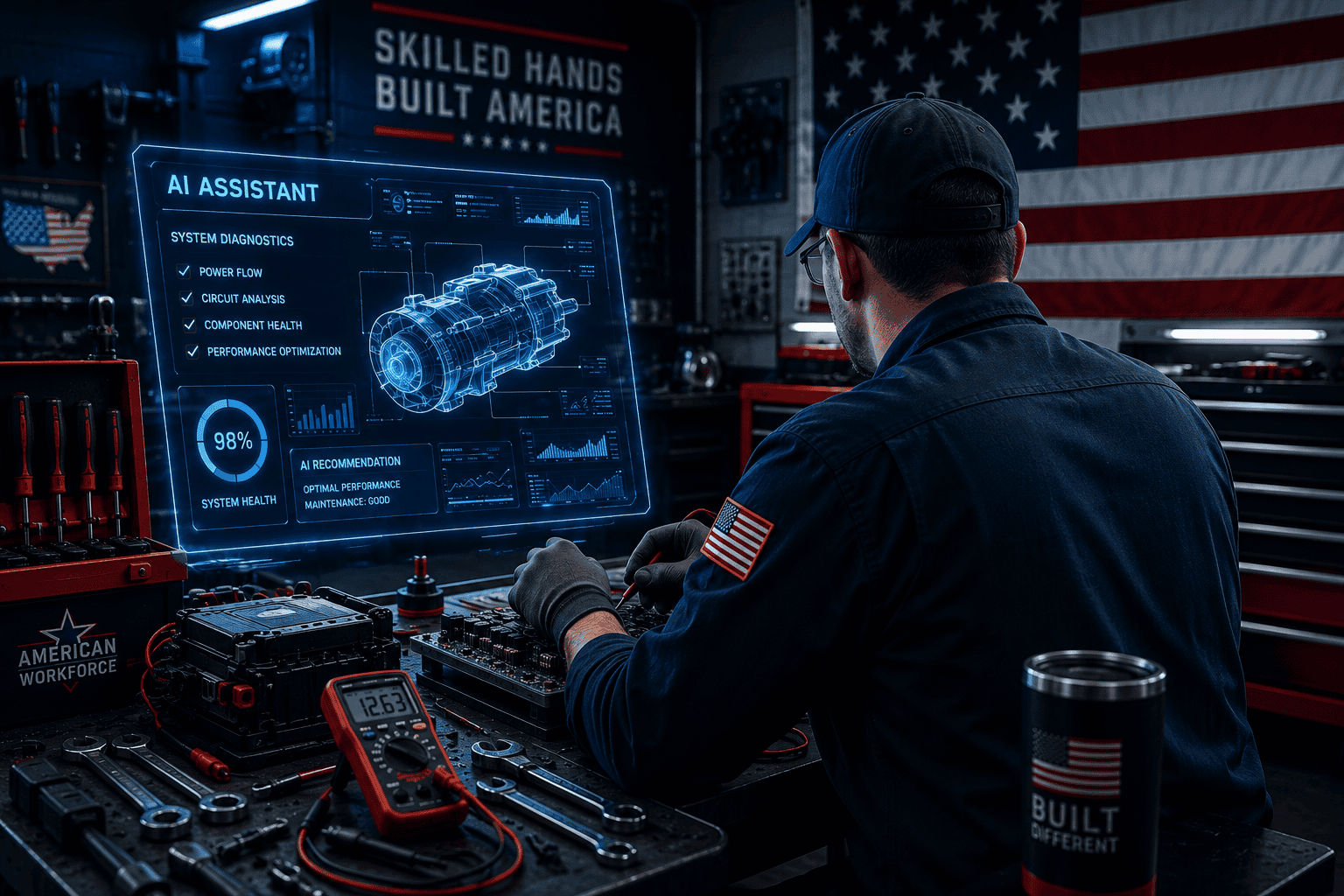
The New OBD Scanner
When a mechanic plugs into a car’s onboard computer, it doesn’t mean they’ve lost their knowledge. It means they’re working smarter. The OBD scanner gives a code. But interpreting it, identifying the real cause, and performing the fix? That still takes expertise.
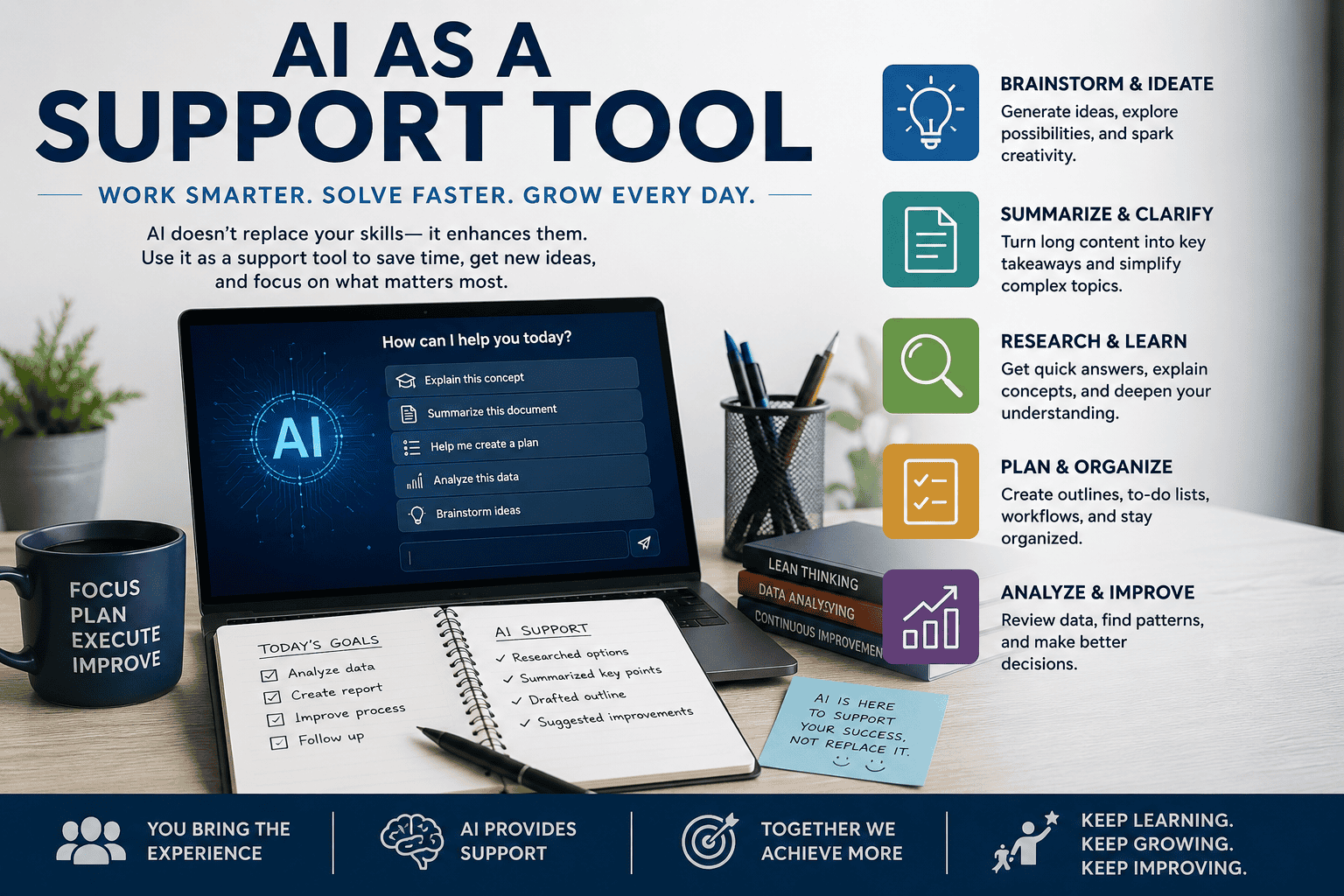
It can generate a draft, brainstorm ideas, or break down a complex subject. But it’s the human who guides the tone, edits the content, and ensures the message lands.
It won’t replace your brain; it augments it. Whether you’re writing a novel, building a website, designing signage, or planning a lesson, it helps you develop the structure, fill the gaps, and explore new angles.
Think of it as a brainstorming partner that never gets tired. You’re still the director. It’s just helping run the camera.
Artists Still Matter, Maybe More Than Ever
Here’s a truth not enough people say: Anyone can use ChatGPT. But not everyone can make it say something that matters.
- Prompting
- Refining
- Editing
These take skill, creativity, and intuition. It will give you the chisel, but only you can carve the statue. Only you know your audience, your goals, and your personal style. AI doesn’t replace creativity, it gives it scaffolding.
International Labour Organization (ILO) — “Generative AI Likely to Augment Rather Than Destroy Jobs”
In many ways, it has leveled the playing field for creators of all kinds. Writers who struggle with grammar can now express themselves more clearly. Non-designers can visualize better branding. Tradespeople can write better estimates, guides, and emails. It’s not replacing artistry, it’s making it more accessible.
And when the barriers to entry fall, the importance of genuine skill rises. What stands out now isn’t just who can create, but who can create with style, substance, and soul.
Tools Don’t Kill Creativity, They Empower It
Creativity thrives not when we’re bogged down by repetition, but when we’re free to explore.
- CNC routers made detailed engraving viable for small shops.
- APIs and scripts slashed development time and empowered indie developers.
- Spreadsheets and templates turned one-person operations into professional-grade businesses.
- Writing tools help you skip the blank page and get to the heart of your idea.
In all these cases, the tool didn’t do the work alone. The human vision behind it guided and monitored the outcome. AI simply allows us to move with more speed, precision, and confidence.
Business Insider — Cognizant CEO Ravi Kumar on AI’s Role in Productivity
A New Era of Craftsmanship
We’re entering a new phase, not just of automation, but of collaboration between man and machine.
Using AI doesn’t cheapen your work. It shows that you’re adaptive. Smart. Efficient. Resourceful. And more than that, it shows you’re focused on results, not just rituals.
Like any tool, AI can be misused, but in the hands of a professional, it’s just another brush, wrench, or keyboard shortcut that gets you from good, to great.

What About the Robots? Addressing the Real Fear
Let’s be honest; when people talk about fearing AI, they’re often not talking about tools like ChatGPT or DALL·E. They’re thinking bigger, darker, and more autonomous. They’re thinking Skynet. They’re thinking Terminator.
And that fear isn’t irrational.
The idea of machines becoming too smart, controlling infrastructure, or acting without human oversight, is the stuff of science fiction for a reason. There are serious, ongoing debates around autonomous weapons, deepfakes, surveillance systems, and AI decision-making without human input.
That’s not the kind we need, or want really.
The kind worth embracing isn’t building killer robots. It’s building better;
- Writers
- Teachers
- Artists
- Planners
- Engineers
- Dreamers
It’s AI that serves human goals, not replaces them. It’s AI that requires a human hand on the wheel, a brain in the loop, and a soul behind the vision.
The goal isn’t to create machines that think for us, it’s to create tools that help us think better.
We should be cautious about it removing human accountability.
We should be excited about it amplifying human capability.
So yes, be skeptical, be aware. But don’t let the fear of runaway robots stop you from using today’s AI to improve your work, your business, and your creativity.
Let’s not throw away the wrench because someone’s afraid of the robot arm.
Tool versus Threat: What Type Are We Talking About
| Helpful Tools | Dangerous Autonomous AI |
| Chat GPT, Dall-E, Grammarly, etc. | Autonomous Drones, Deepfakes |
| Canva, MidJourney | Surveilance AI, Facial Tracking |
| OBD Scanners, CNC Software | Self-Learning Weapon Systems |
Final Thoughts
AI is not the enemy of originality. It’s not cheating, lazy, or soulless.
It’s a support tool, one that saves time, sparks new ideas, and enhances human creativity. And like all great tools, its power comes not from what it does alone, but from what you do with it.
So whether you’re a mechanic, teacher, artist, writer, or entrepreneur, don’t fear the future. It’s coming whether you are ready or not.
Grab the tool.
Shape the vision.
And build something only you can.
How are you using AI in your work? Drop your thoughts in the comments or share this article with your community.