BASIC TOOLS
When it comes to work around the shop or home, in order to do it yourself you are going to need tools to get the job done. I have thrown together a list of basic tools that everyone should have at their disposal. You can purchase starter kits at Amazon for a fair price, here are a few decent basic Craftsman starter kits you can pick up through our affiliate links. Prices are subject to change but usually around the price tag listed.
Now, lets go over some basic terms;
- Fastener: A hardware dFevice such as a screw, bolt, or nail used to join two or more objects together.
- Torque: A measure of the twisting force applied to a fastener, usually expressed in pound-feet (lb-ft) or Newton-meters (Nm).
- Socket: A tool attachment designed to fit around a bolt or nut for tightening or loosening.
- Wrench (Spanner): A hand tool used to grip and turn nuts, bolts, or pipes.
- Drill Bit: A cutting tool attached to a drill to bore holes in materials.
- Pliers: A hand tool used to grip, bend, or cut wire and other materials.
- Chisel: A sharp-edged hand tool used for carving or cutting hard materials like wood or stone.
- Level: A tool used to determine if a surface is horizontal (level) or vertical (plumb).
- Clamps: Devices used to hold workpieces securely in place during work.
- Impact Driver: A power tool that delivers strong rotational force and concussive blows to drive screws or bolts.
- Caliper: A measuring tool used to determine the distance between two opposite sides of an object with precision.
- Grit: The size of abrasive particles on sandpaper or grinding tools, indicating coarseness or fineness.
- Thread: The helical ridge on screws or bolts that allows them to be fastened securely.
- Bit: The interchangeable part of a drill or screwdriver that actually makes contact with the fastener or material.
- Ratchet: A tool that allows continuous turning in one direction without removing and repositioning the tool.
When using rotating tools to loosen or tighten, remember the standard threading is “left is loosening”, “right is tightening”.
The best way to accumulate tools is buying at least one every payday if you’re looking to build a quality set over time and not looking to start with a kit. Buy just one tool at the least, and your collection will grow pretty quick. I’d recommend starting with at least a small set from your local hardware or auto parts store that comes with a variety of things if you don’t want one of the kits mentioned above, then piece in others as you go. You may end up with duplicates as you decide to invest in more quality brands as you go. Here is a conversion chart to help you with standard size comparisons followed by the basic tools every shop should have;

WRENCHES AND SOCKETS
A wrench (also known as a spanner outside of North America) is used to grip and help apply torque to rotary fasteners, such as nuts and bolts or to keep them from turning when wrenching down another side. Sized wrenches come in fractions; SAE (Society of Automotive Engineers) and metric (shown above).
There are over 20 different types of wrenches so here we will just throw out a few basics to get you started;

ADJUSTABLE WRENCH
Commonly referred to as a Crescent wrench, but Crescent is actually a name brand and trademark that made them famous. They come in a variety of lengths and are great tools to have around, one of the first you should purchase. When using them always make sure the adjustable jaw is at the side you are turning.
Combination wrenches
Combination wrenches are the main ones you want to stock up on, long and short types and it seems you can never have too many of either size. You can buy them individually or as a set;
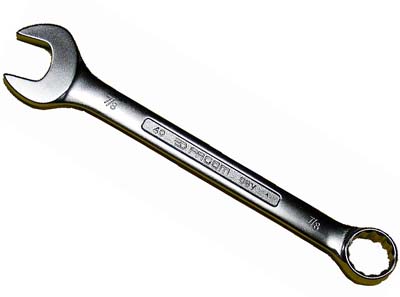
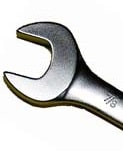
Open-End
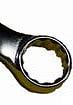
Box-End
SAE 9 piece set usually consists of; 1/4, 5/16, 3/8, 7/16, 1/2, 9/16, 5/8, 11/16, 3/4
Metric 9 piece (MM) set usually consists of; 7, 8, 10, 11, 12, 13, 14, 17, 19

Another type of these wrenches that are handy to have are the ratcheting box-end type that contain a one-way mechanism which allows the wrench to be turned without removing it from the nut or bolt simply by cycling the handle backward and forward;
The upper one loosens or tightens depending on which side is up. The lower one has a lever where you can easily switch in place the loosening or tightening function.
Next we have the hex key wrenches;
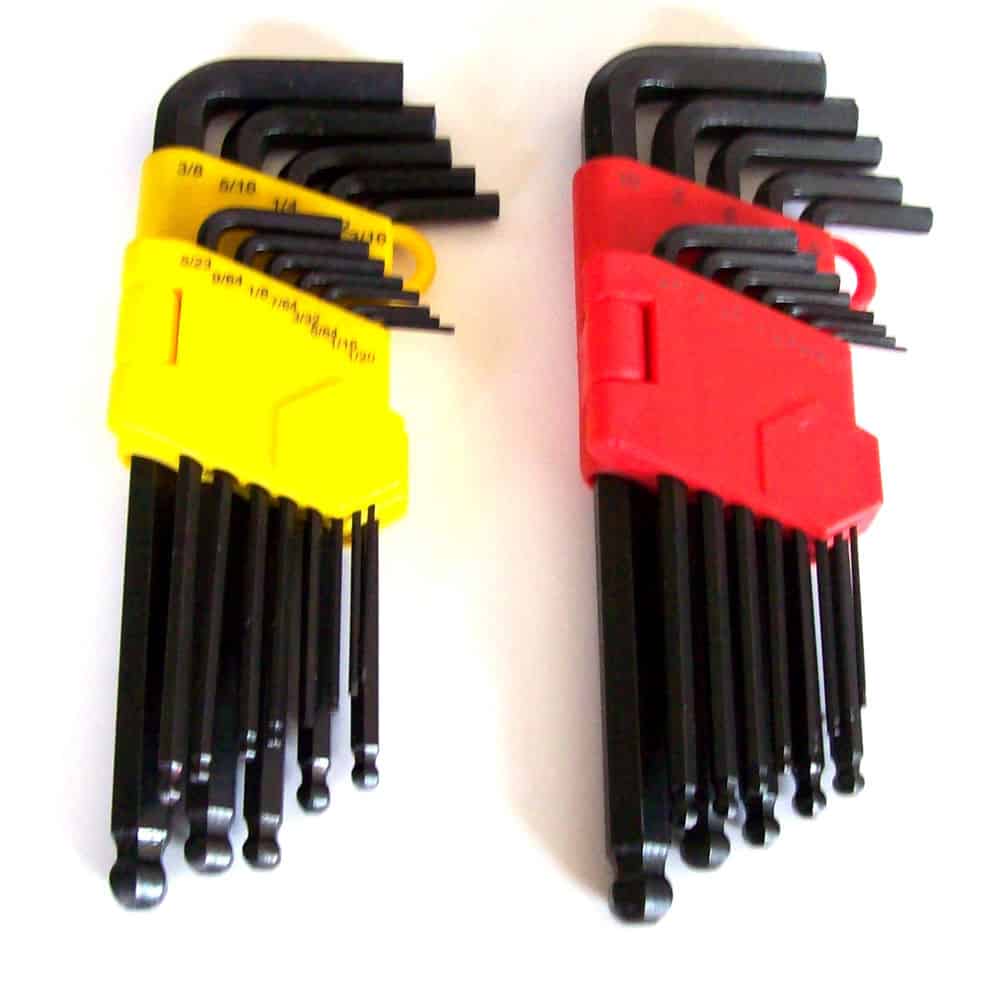
Also commonly referred to as Allen wrenches but Allen is actually a name brand trademark, like Crescent. They are usually shaped as an “L” with hexagon shapes on both ends (some have a ball on one end as shown in the picture, good for swiveling if you can’t get the key in straight) used to drive bolts and screws with a hexagonal socket in the head. They come in metric and SAE as well and are sold usually as a set of each or a set with both types.
Ratchet/socket wrenches are another tool used to torque fasteners (nut/bolt combo) in quicker fashion than a normal wrench. It is a metal handle attached to a ratcheting mechanism normally consisting of a bar or wheel having inclined teeth into which a pawl drops so that motion can be imparted to the wheel or bar.
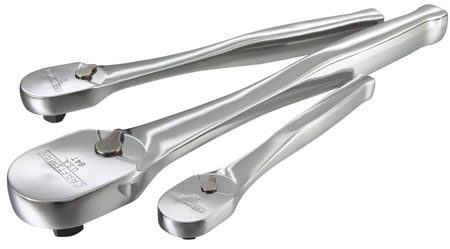
There are multiple types of square drive head ratchets but the primary use ones are as follows;
1/4″ drive (small) is good for smaller nuts and bolts that you don’t want to over-torque, like electronics. Think of its use as to just snug up nuts/bolts. I recommend using just 1 hand when tightening to prevent over-torque
3/8″ drive (medium) is good for your standard jobs like spark plugs, brake pads, and most under the hood work.
1/2″ drive (large) is more for vehicle lug nuts and larger bolts requiring more torque.
All ratchets allow effective motion in one direction only, but you can switch sides with a locking mechanism located on the back.
You can also add things to these for optimal use like;

Extensions

Swivel Extenders
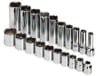
Like ratchets, sockets come in three common sizes (drive end) :
- 1/4″
- 3/8″
- 1/2″
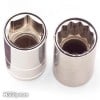
Like wrenches they come in standard and/or metric sizes. Some can be short (shallow) and others can be tall (deep), some come thick walled for extra torque while others come thin walled for those tight applications. They come in 6 point or 12 point female ends for wrapping around nuts and bolts;
6 Point & 12 point sockets
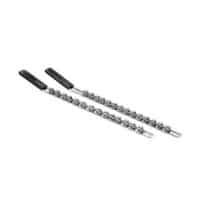
Socket Rails
Speed Wrench

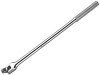
Breaker Bar
A breaker bar is a long non-ratcheting bar that is used with sockets. Breaker bars are used to break loose very tight fasteners because their additional length allows the same amount of force to generate more torque than a standard length ratchet as well as prevents damage to the ratcheting mechanism of a ratchet.
You can improvise here and just add a long pipe wrapped around the ratchet too, referred to more commonly as the cheater bar
Torque Wrench
Used for precise torque power on each nut/bolt.

SCREW/NUT DRIVERS
Screwdrivers are a necessity and come in all shapes and sizes and each are equally important, you can never have too many it seems.
Here are some standard shaft lengths and their uses;
Stubby for tight spaces usually have a shaft length of 1-1/2″
Standard for all around good use have a shaft length of around 4″
Tall and skinny for hard to reach spaces (tall and skinny can snap easy if heads are over torqued) have a length around 8-12″
Thick and sturdy ones can come in any length, the width is what is important here. These are good for using as small pry-bars as well as hitting them with hammers to get over-torqued stripped ones out or to knock things in and out of tight spaces.
Head shapes and sizes and their uses are;

Flathead (Slotted)
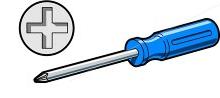
Phillips (Cross)
- Head #0 fits #0 and #1 screws.
- Head #1 fits #2, #3, and #4 screws.
- Head #2 fits #5, #6, #7, #8, and #9 screws.
- Head #3 fits #10, #12, #14, and #16 screws.
- Head #4 fits #18, #20, and #24 screws.

Torx (Star)
- T1-10
- T15
- T20
- T25
- T27
- T30
Nut Drivers (Hex)
- Standard Sizes
- Metric Sizes
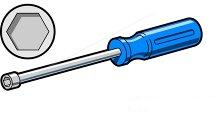
HEX (NUTDRIVERS)
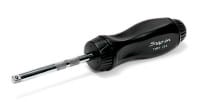
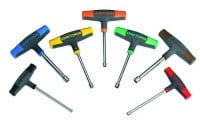
Nut-drivers are used to tighten nuts and bolts requiring much less torque than a wrench or ratchet is needed. Mainly used for electronics and connectors that just need to be snugged up. They tend to have hallow shafts to accommodate shanks/bolts that nuts are on. There are different variations of these as well;
1/4″ Drive Handles
T-Handles
Inter-Changeable Drivers

PLIERS
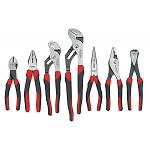
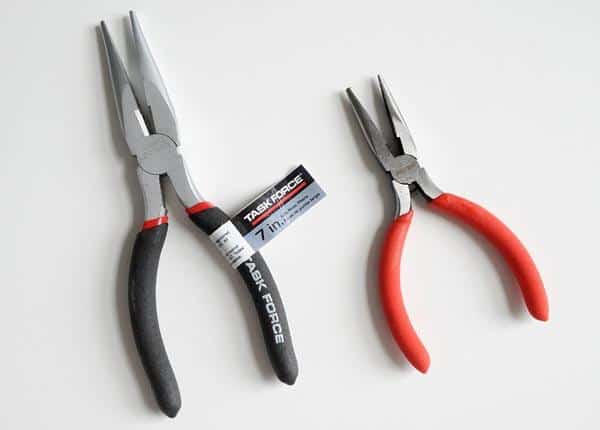
Pliers are another necessity, there are many different varieties made for general or specific purposes. While they can be used to hold objects firmly, they are also useful for bending and compressing a wide range of materials. Pliers have a pair of short metal serrated jaws on one end and longer handles on the other. With a pivot point between the handle and jaws, it creates an advantage allowing the force of a hand grip to be amplified and focused on an object with precision, therefor, you can use them to manipulate objects that you normally can’t with fingers.
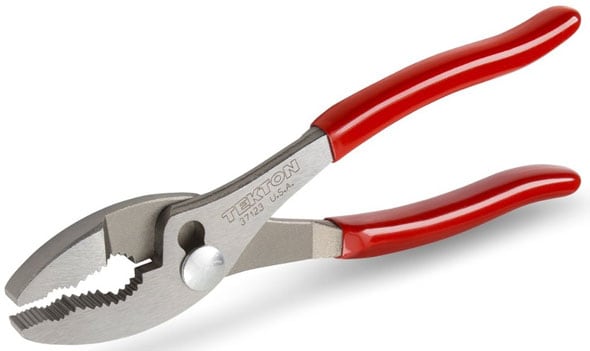
Slip Joint Pliers
Adjustable Pliers
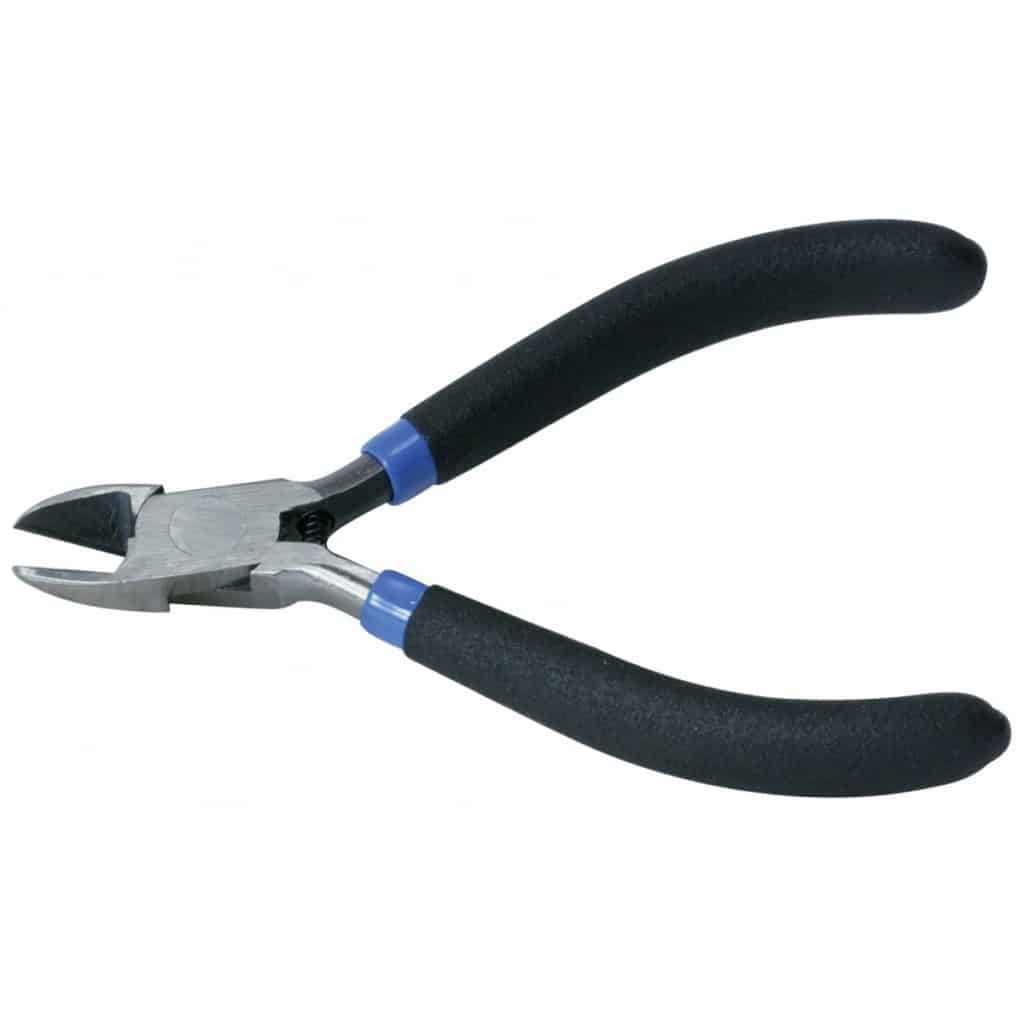
Diagonal Pliers
Needle Nose Pliers
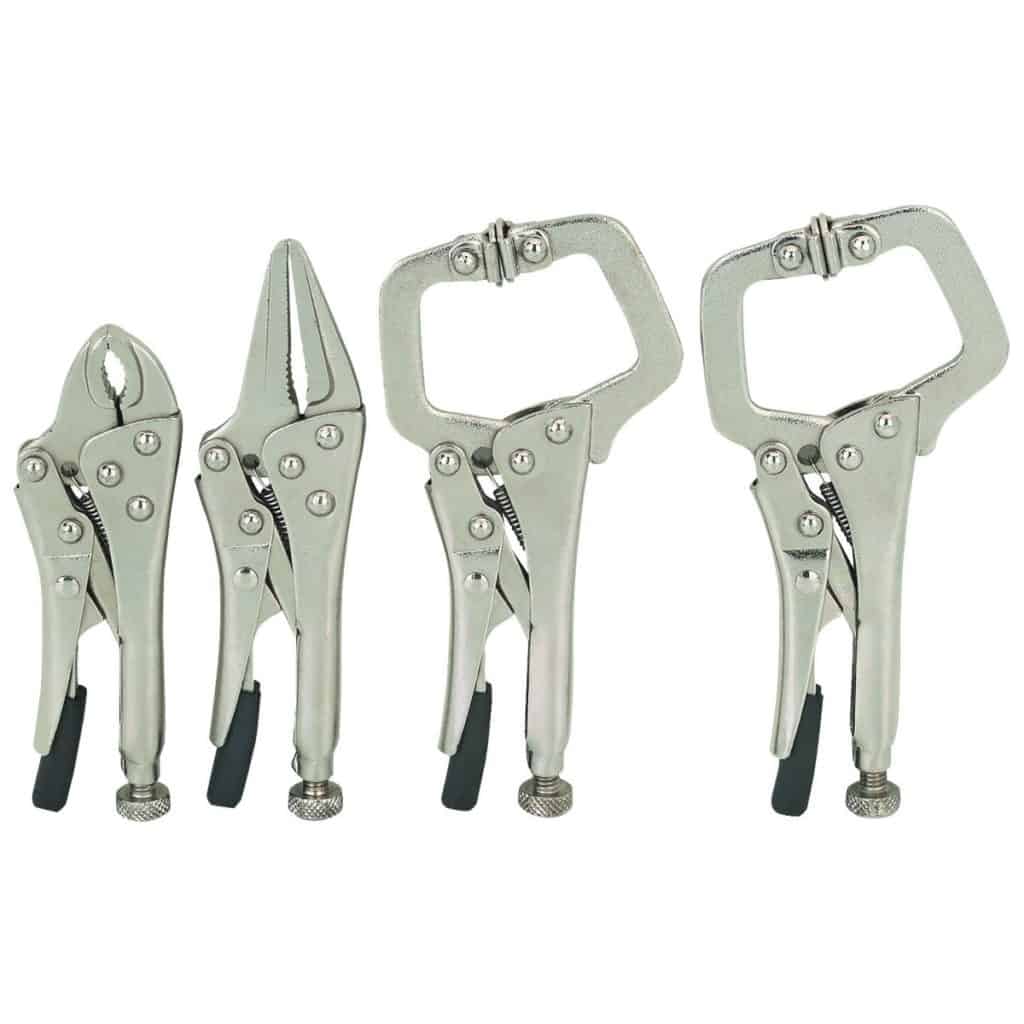
Lockjaw Pliers
HAMMERS AND PRYBARS
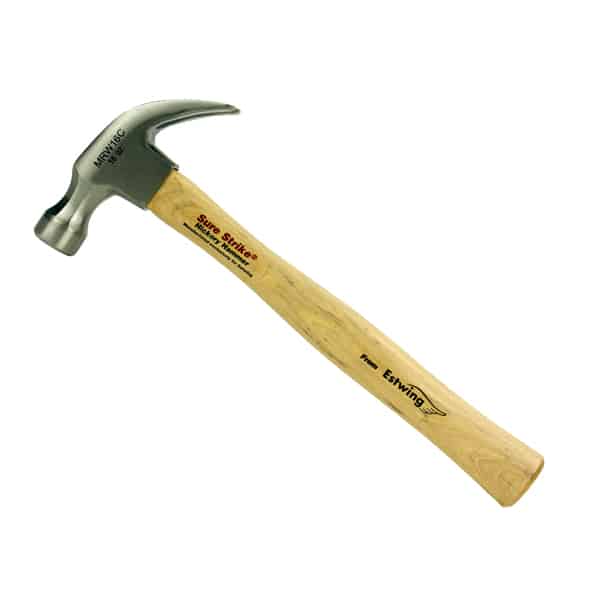
A hammer is a tool that delivers a blow to an object. Most hammers are used to drive nails, fit parts, forge metal, and break apart objects, they are basic tools in many trades. The usual features are a head (most often made of steel) and a handle (also called a helve or haft). There are over 10 different variations of hammers, varying in shape, size, and structure, for different purposes, here are 6 basic types you can use around the shop and home;
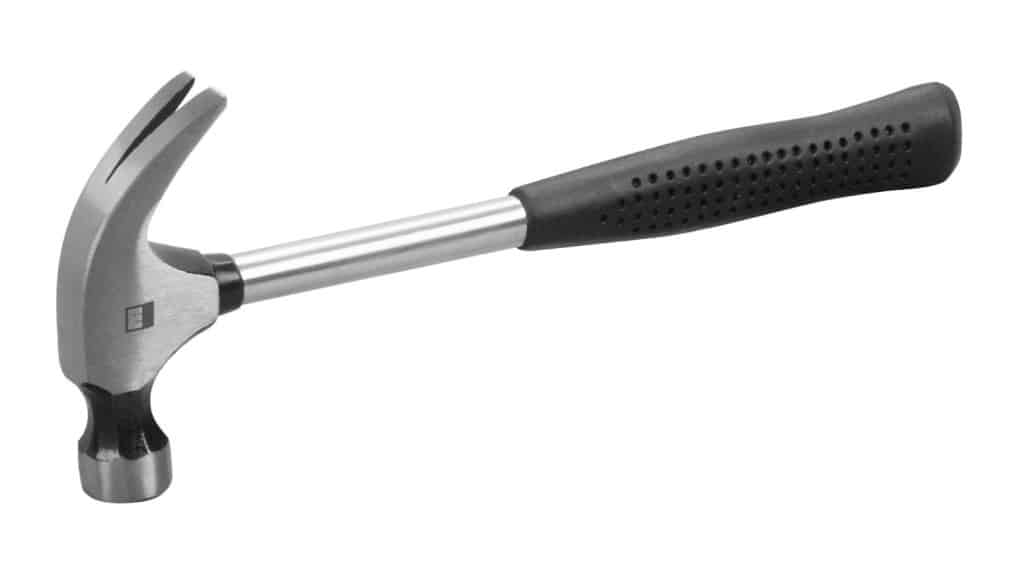
Standard Claw Hammer
Claw hammers are used to drive nails and fit parts with the flat end, as well as break apart objects and pull nails with the claw end but generally, a claw hammer is associated with woodworking but is not limited to use with wood products. It is not suitable for heavy hammering on metal surfaces though, such as in machining work, as the steel of its head is somewhat brittle. It is really a weaker version of #2;
Framing/Carpenter Claw Hammer
Ball Peen Hammer
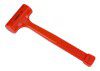
Dead Blow Hammer
Dead blow hammers typically have an internal cavity partially filled with steel, lead shot, or loose sand. This modification evens out the curve of the impact, enabling a more powerful blow to be delivered without risk to the target.
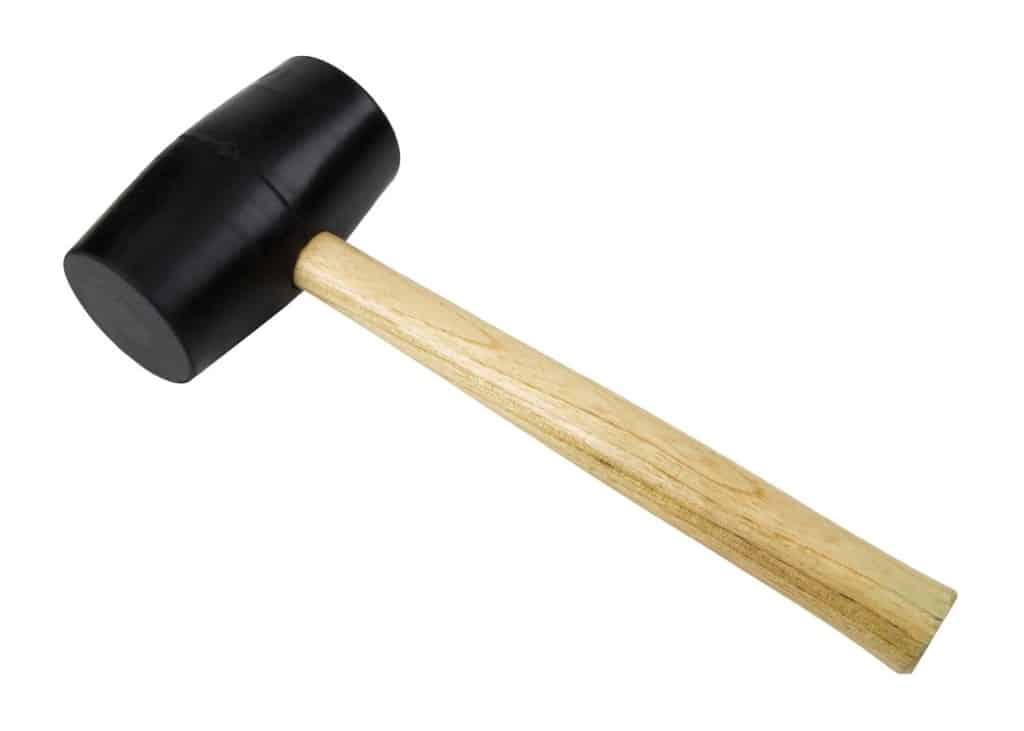
Mallet
Mallets are usually made of rubber, wood or rawhide, but there are soft metal types like copper and brass as well. They are used when a softer blow is called for than that delivered by a standard metal hammer or even a dead blow, and since they do not leave marks and are less likely to dent the work-piece, they are handy to have around when working on cars when you need to fit parts together by force.
Sledgehammer
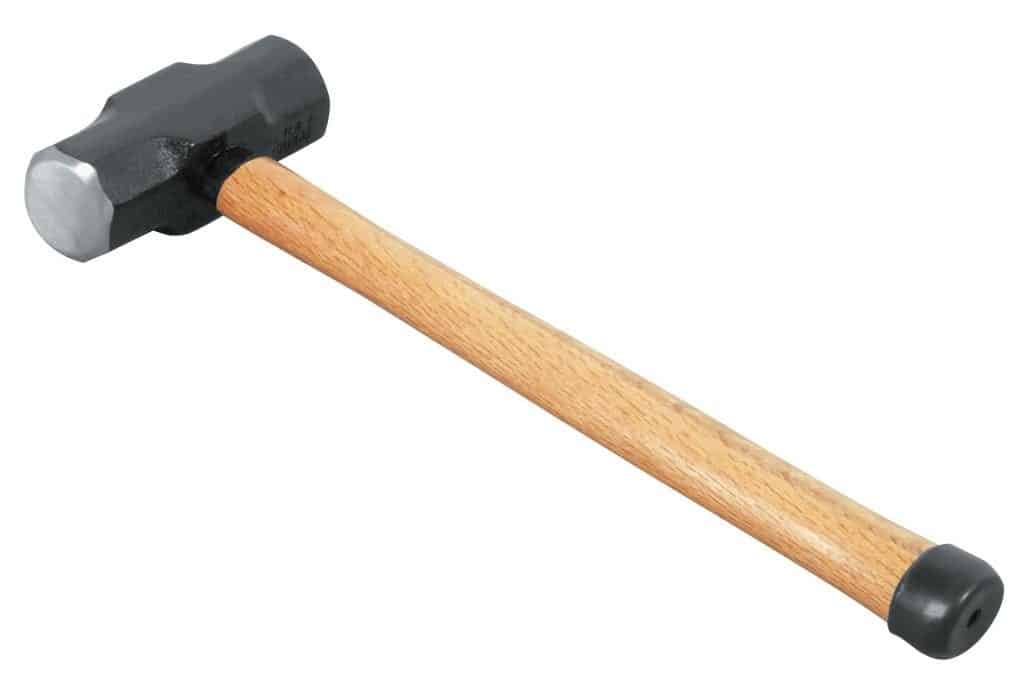
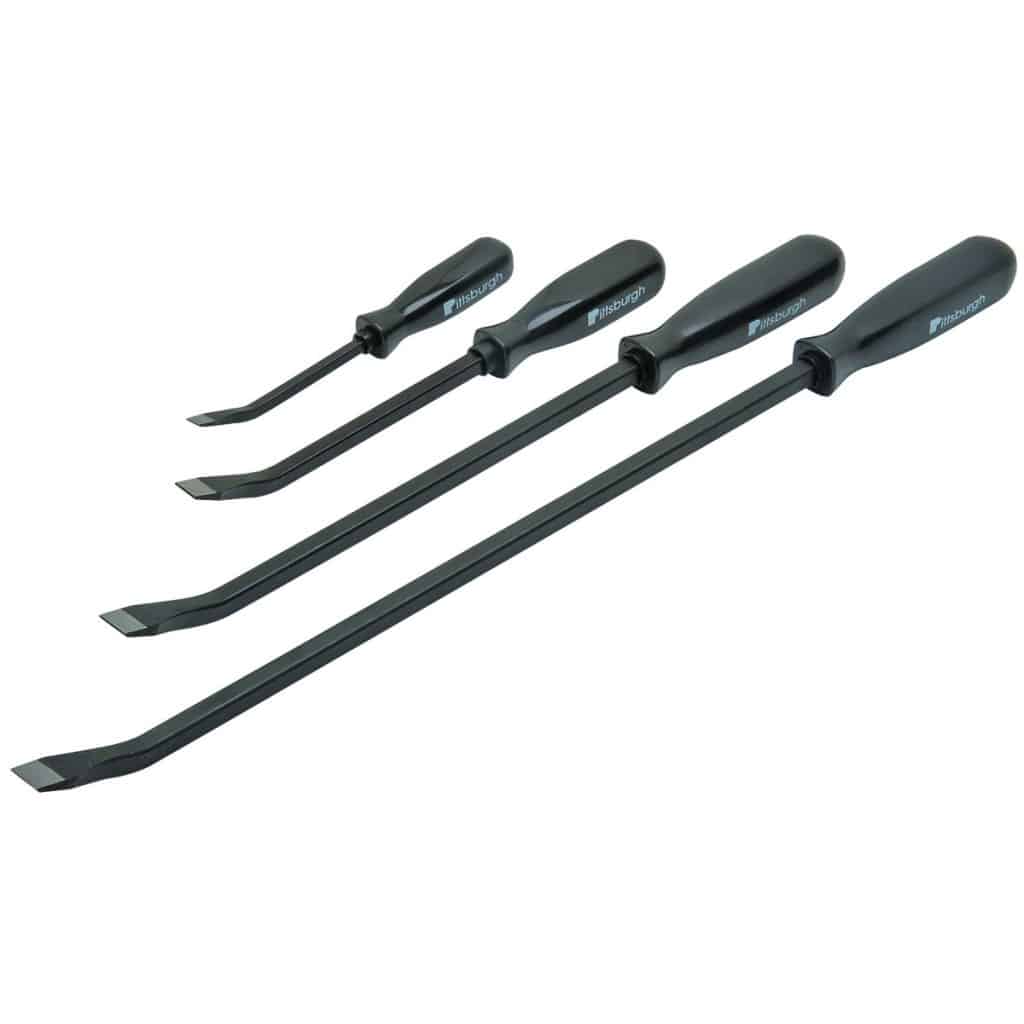
Standard Pry bars
Crow Bar
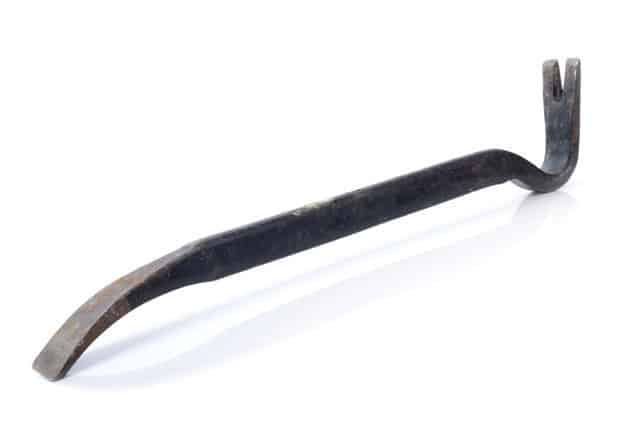
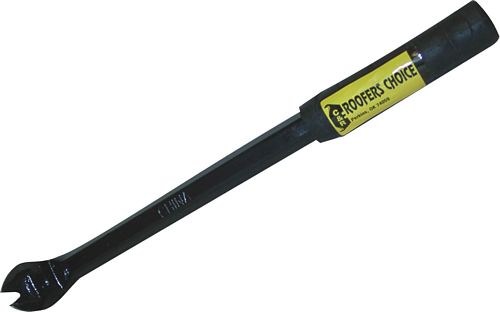
Cat Claw Pry Bar
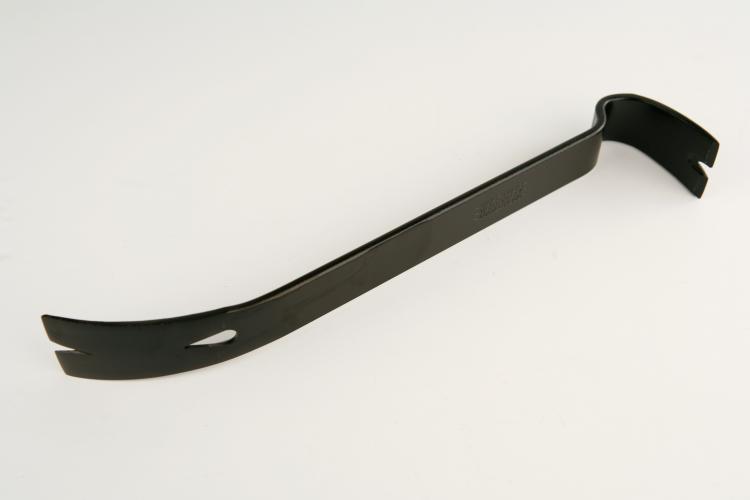
Flat Bar